Peruvian mango and the pending debt with rural children
Piura, February 2026.
A study conducted by DYA Peru and the SESAM Program identified child labor risks in the mango value chain in Piura, where more than 10,500 producer families mobilize each harvest season.
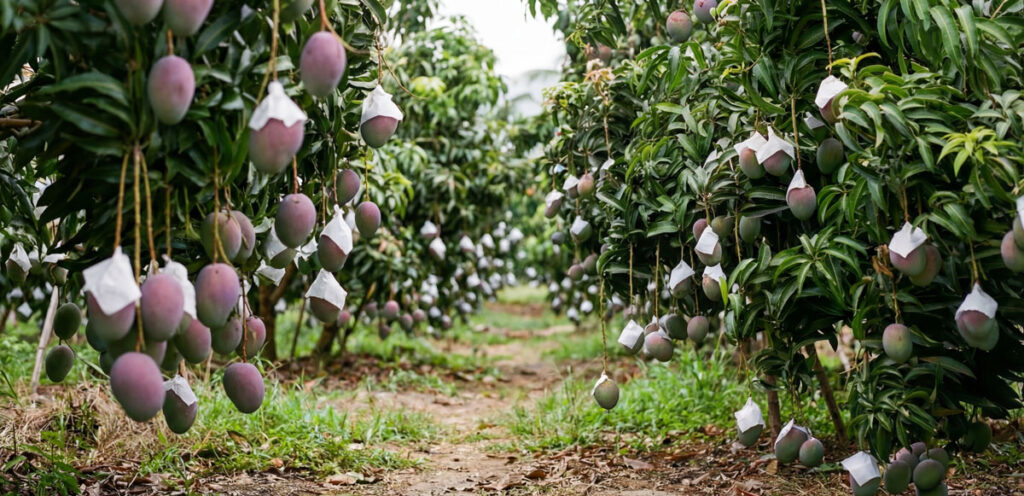
Piura produces more than 65% of Peruvian mango. Every season, thousands of family farming households mobilize to harvest a fruit that ends up in European supermarkets. Under the cultural practice of "family support," practices were identified that increase child labor risks.
Since July 2024, the European Corporate Sustainability Due Diligence Directive (CSDDD) requires companies to mitigate risks in their supply chains. For Peruvian mango, access to the European market will depend on demonstrating production free from child exploitation.
The study, conducted with 85 key stakeholders in Chulucanas and Tambo Grande, identified three critical stages: harvesting (first-order risk), weeding, and post-harvest field cleaning.
The impact is visible in classrooms: teachers report seasonal absenteeism between November and March.
The study revealed that 37.5% of regional committee institutions consulted had no specific actions against child labor.
However, the solution model exists. Certified cooperatives like CAPAPE demonstrate that Fair Trade and GlobalG.A.P. certifications function as effective barriers. The challenge is bringing that standard to thousands of unorganized producers.
Mango can be sweet for everyone, but only if we ensure that the children of Piura are in school, and not working on the farm.