Timeline
Our history since 1988
Discover DYA's journey from its founding in 1988 to the present day. More than three decades working for children's rights, community health, and sustainable development in Latin America.
Founding and Early Years
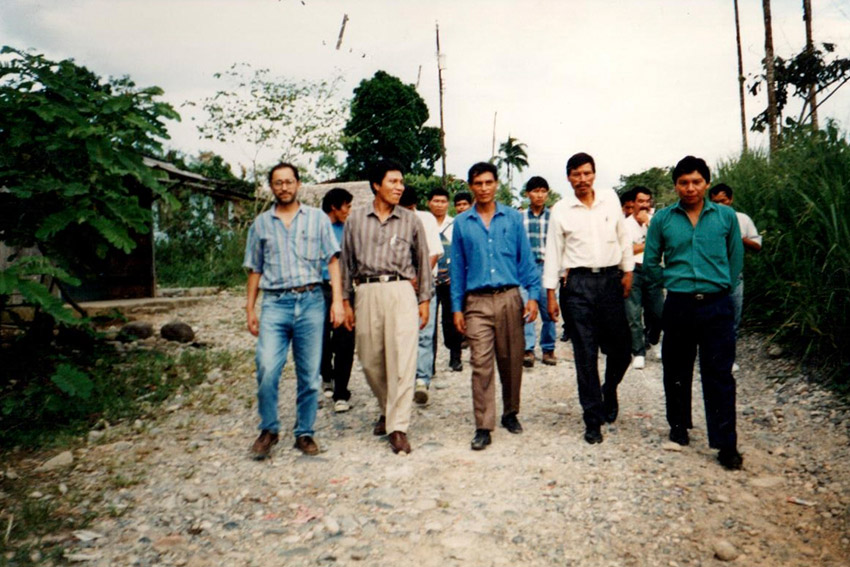
DYA was born in 1988 in Latacunga, Ecuador, founded by a group of young social science professionals committed to social change.
In its early years, we focused on research and advisory work on childhood, working closely with UNICEF, the Ministry of Social Welfare, and INNFA of Ecuador. We carried out neighborhood interventions that laid the foundations for our community-focused approach.
Growth and New Models
We developed social care models for the State, such as the Child to Child strategy and the Ludoteca model. These innovative projects laid the groundwork for designing replicable and scalable methodologies for child education and protection.
Consolidation in the Amazon
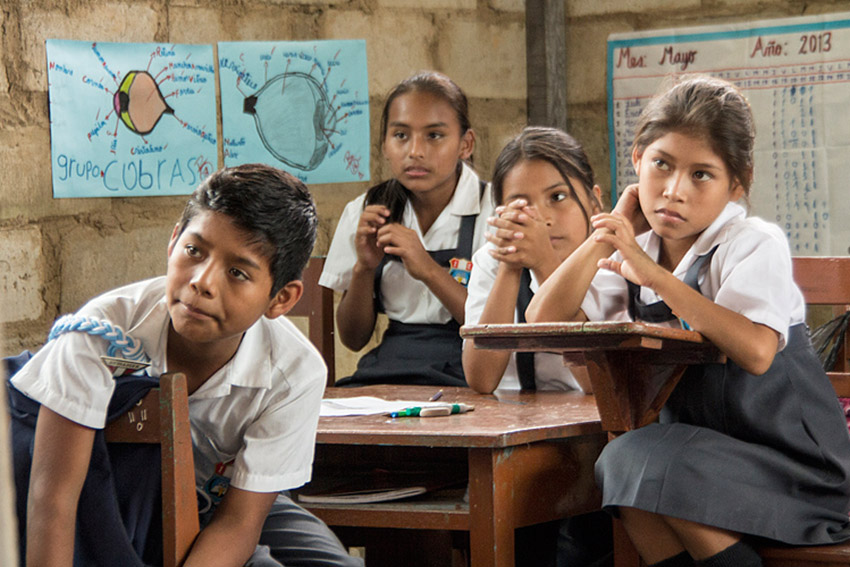
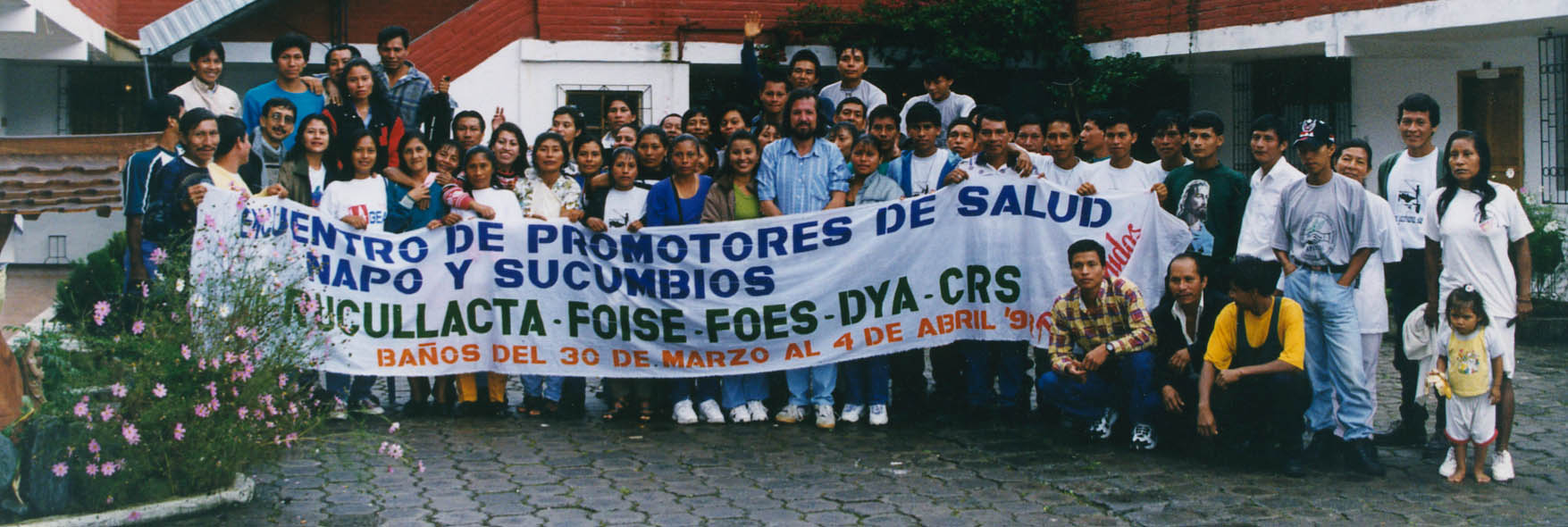
We expanded toward the Ecuadorian Amazon, working alongside indigenous communities with health, education, and sustainable agriculture projects.
Primary Health Program — Napo:
- More than 12,000 children accessed state health services.
- 2,500 families in 80 communities in the Ecuadorian Amazon.
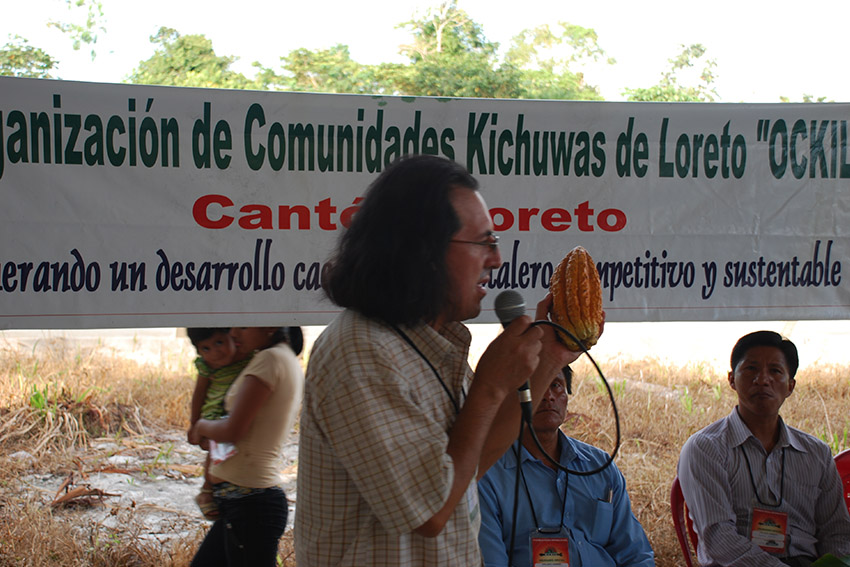
Sustainable Agriculture — Alto Napo: We promoted cacao in agroforestry systems, supporting Kichwa producers in the production of high-quality chocolate.
Reference in Child Labor Eradication
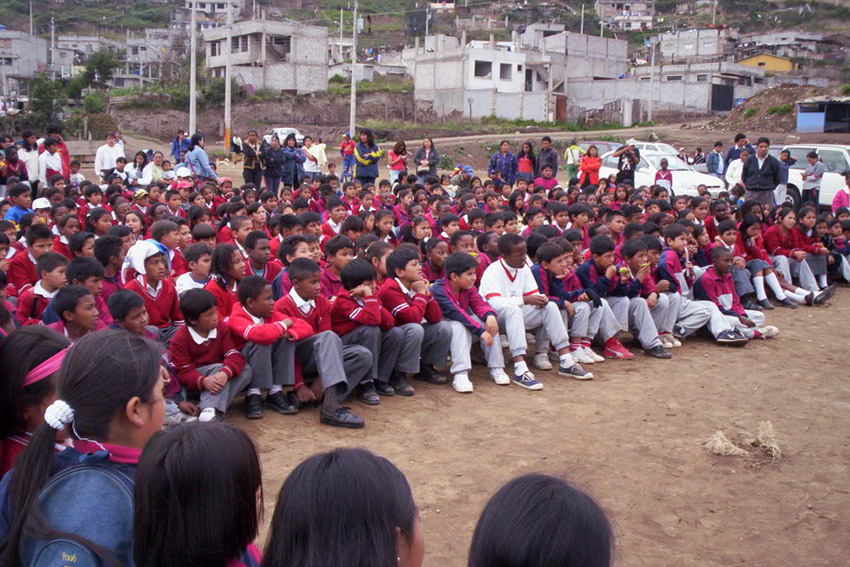
We led programs to eradicate the worst forms of child labor in Ecuador: gold mining, garbage dumps, markets, banana plantations, and agriculture in indigenous communities.
Bella Rica gold mines: Benefited more than 548 children and their families.
Child Labor in Waste Dumps (2007–2010):
- 2,160 children prevented and removed from child labor.
- 78 local governments with policies and actions in place.
- The strategy was adopted by the State, becoming a regional reference.
Wiñari Project: 6,177 indigenous children left child labor situations across 6 provinces.
Consolidation of Health and Education in Ecuador
We deepened work in tuberculosis and malaria with community strategies. We extended our commitment to Bolivia, Peru, and Argentina.
Malaria — National Proposal: With the Global Fund, 9 years in 21 provinces, benefiting 380,000 people.
In Bolivia — Ñaupaqman Puriy Kereimba:
- 3,000 children accessed educational services.
- 1,500 families trained.
- Recognition of the School Leveling Program within the Education Law.
Expansion to Peru
Semilla Project — Cultivating rural development without hazardous child labor in Peru. With USDOL support, we developed models for child labor-free agricultural production, municipal management, and school lag recovery.
We created the SELTI seal (child labor-free production), adopted by the Ministry of Labor.
- 6,000 children prevented or removed from child labor.
- 3,000 families improved their agricultural production.
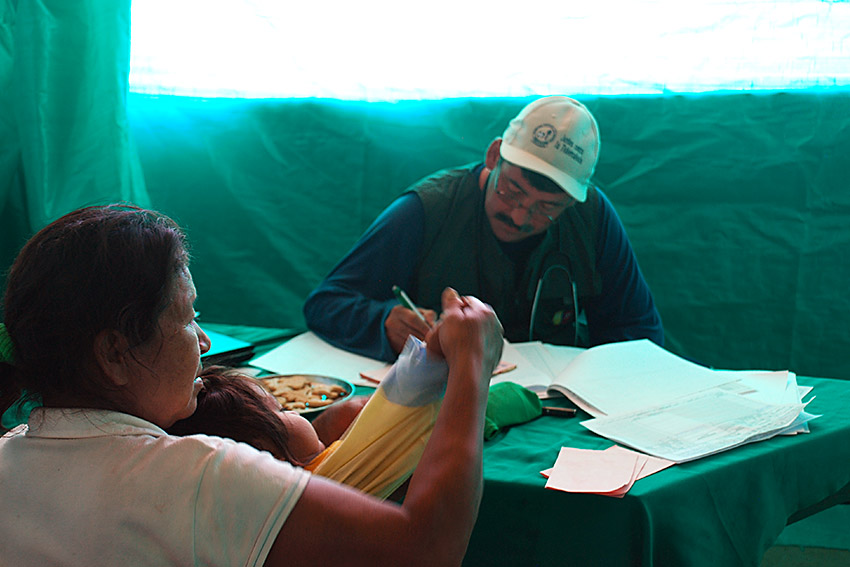
PAPT Program — Ecuador
We provided technical assistance to the Ministry of Education. We assumed the methodological design, training, and field monitoring of 300 mentors.
- Pedagogical accompaniment to 2,000 teachers from 12 provinces.
- Benefit to 60,000 children in vulnerable areas.
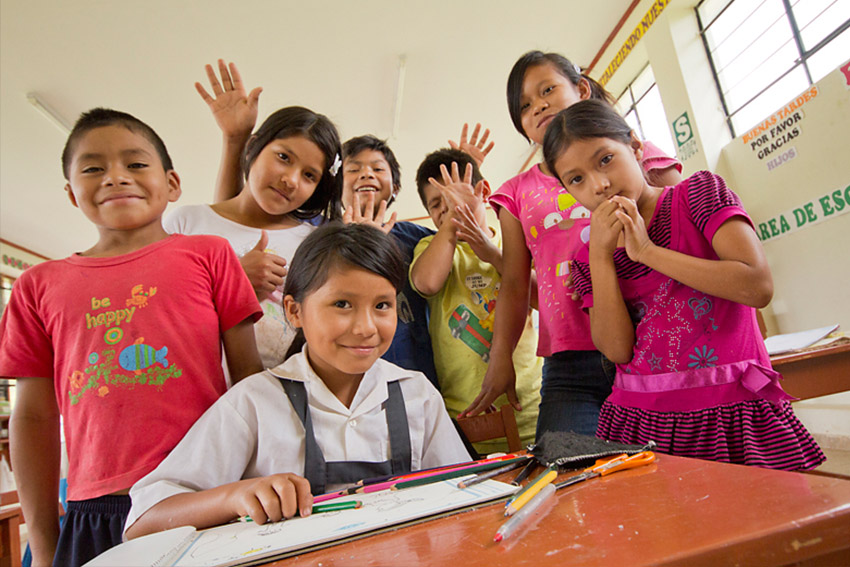
In Argentina — NOEMÍ Project
Strengthened public policies so that vulnerable adolescents could access educational practices in workplaces in Tucumán, Santa Fe, and Buenos Aires.
- More than 1,000 students in soft skills workshops.
- 450 students completed practices in workplaces.
- Methodology piloted with 23 institutions and companies.
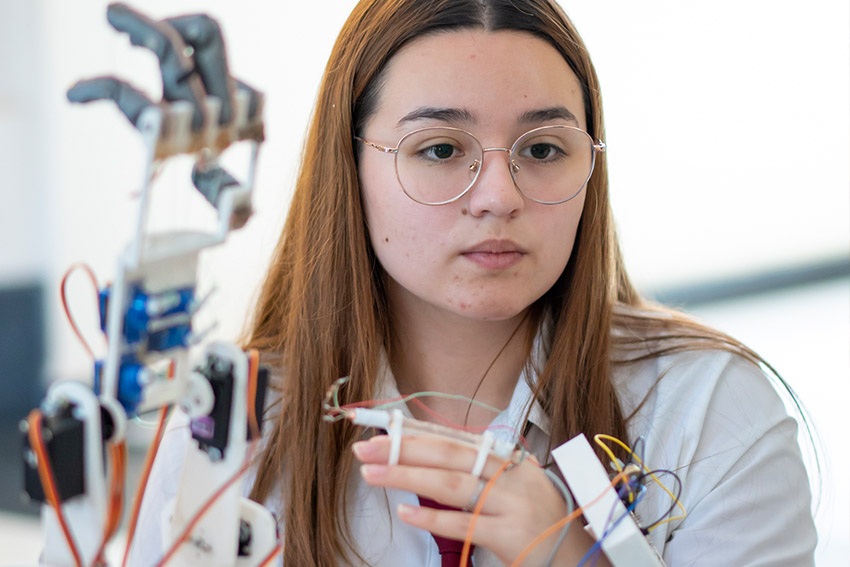
In Argentina — P.A.R. Project
Responsible Agricultural Production: to prevent and eradicate child labor in blueberry and yerba mate. Promoted the Social Compliance System and the Municipal model for child protection.
- 450 children served by educational services.
- More than 300 public officials from 3 provinces in a diploma program on child labor.
- 15 companies obtained IRAM certification.
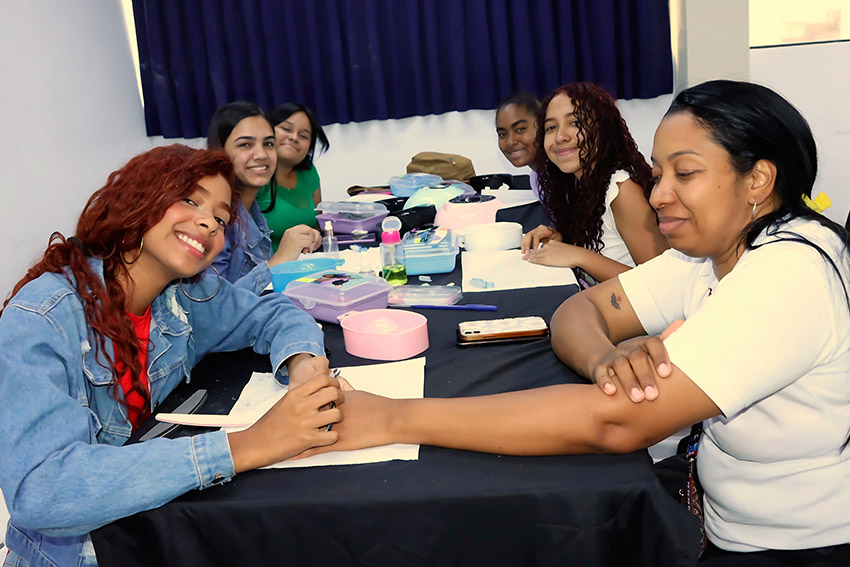
30th Anniversary — Regional Consolidation and New Topics
The offices in Ecuador, Peru, and Argentina consolidate their teams. DYA ventures into human mobility.
Ecuador — Support Classrooms: More than 600 students benefited. 380 teachers trained.
Community Surveillance Network — Monte Sinaí, Guayaquil:
- 84 community leaders trained.
- More than 1,500 families supported during the pandemic.
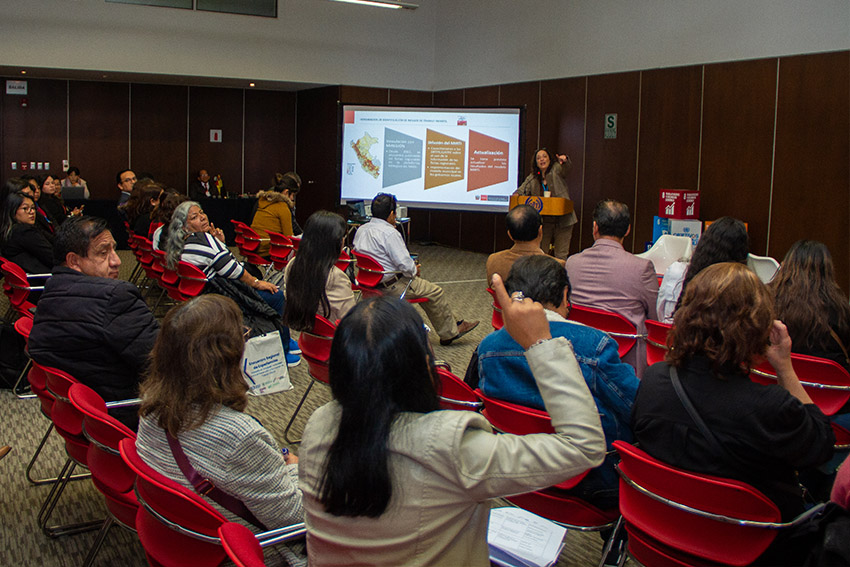
Human Mobility in Peru and Ecuador
Ecuador: PAPT on the northern border. 1,200 children (Ecuadorian and Venezuelan migrants) integrated into the education system. 240 rural schools improved.
Peru: Work with Venezuelan migrants in health, education, and prevention of gender-based violence.
- More than 3,000 children integrated into the education system.
- Nearly 12,000 people served in health.
- More than 7,000 people accessed protection services.
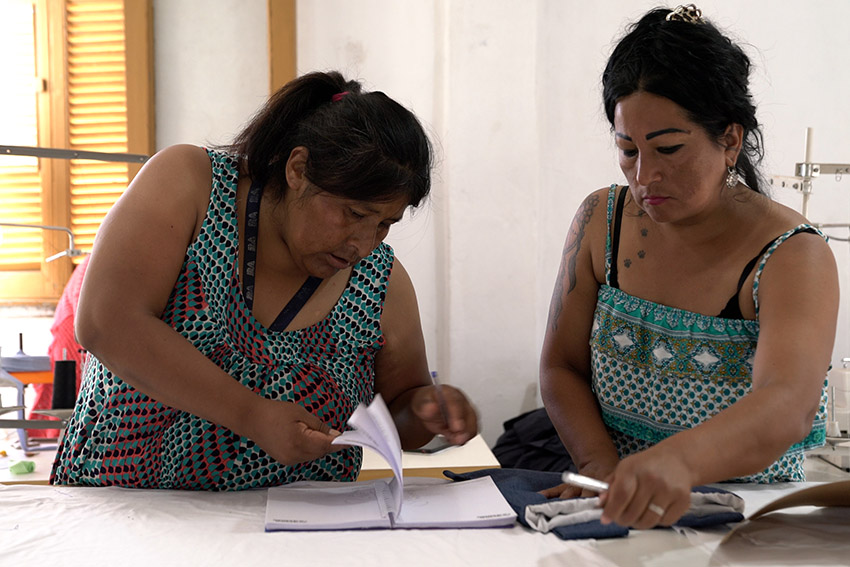
Argentina — Growth in Child Labor and Human Trafficking
P.A.R. Renewal: 1,500 agricultural workers sensitized. 36 certificates delivered to companies. Argentine blueberries were removed from the USDOL TVPRA List.
ATLAS Project: KUBI was created, a clothing brand free of child labor made by Bolivian and Peruvian migrant women from the Buenos Aires suburbs.
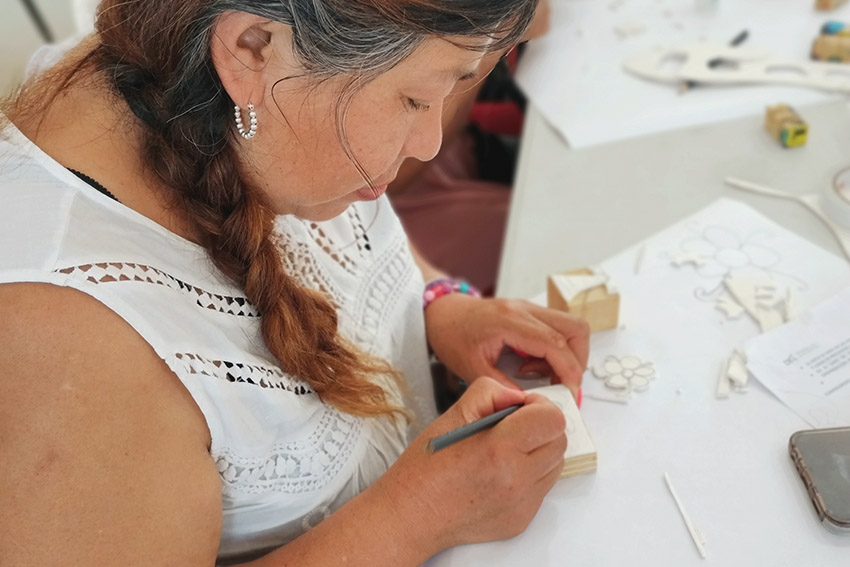
Consolidation and Regional Project
We developed our 3-Year Strategic Plan. An institutional regional project is born for 2024–2025 to strengthen regional presence, systematize methodologies, and share them through publications.
We innovate tools for addressing child labor, human mobility, changes in the world of work, and mental health. Base social organizations continue to be our principal allies.
Empowering people, strengthening communities.