School Enrollment and Permanence
Peru
Objective
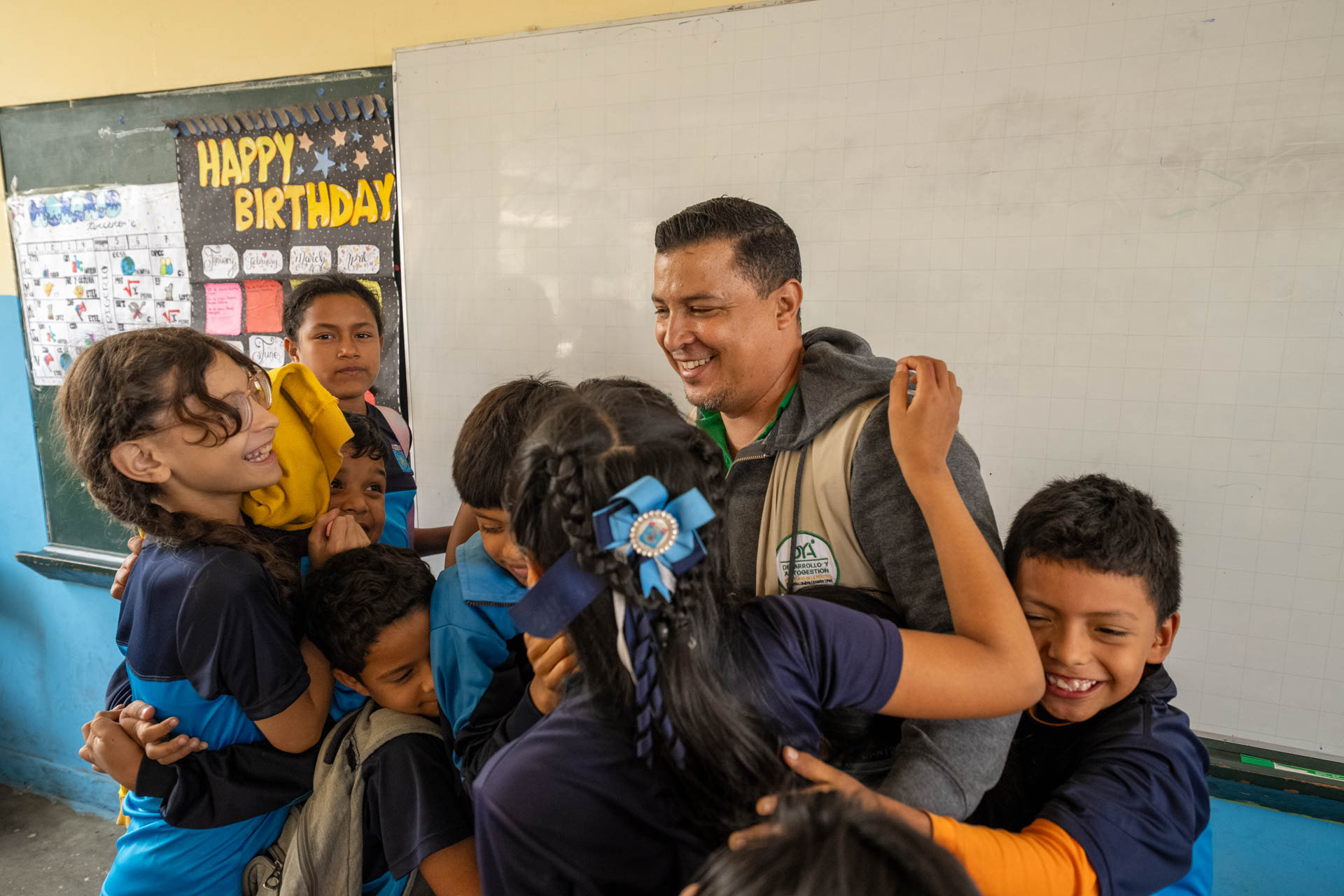
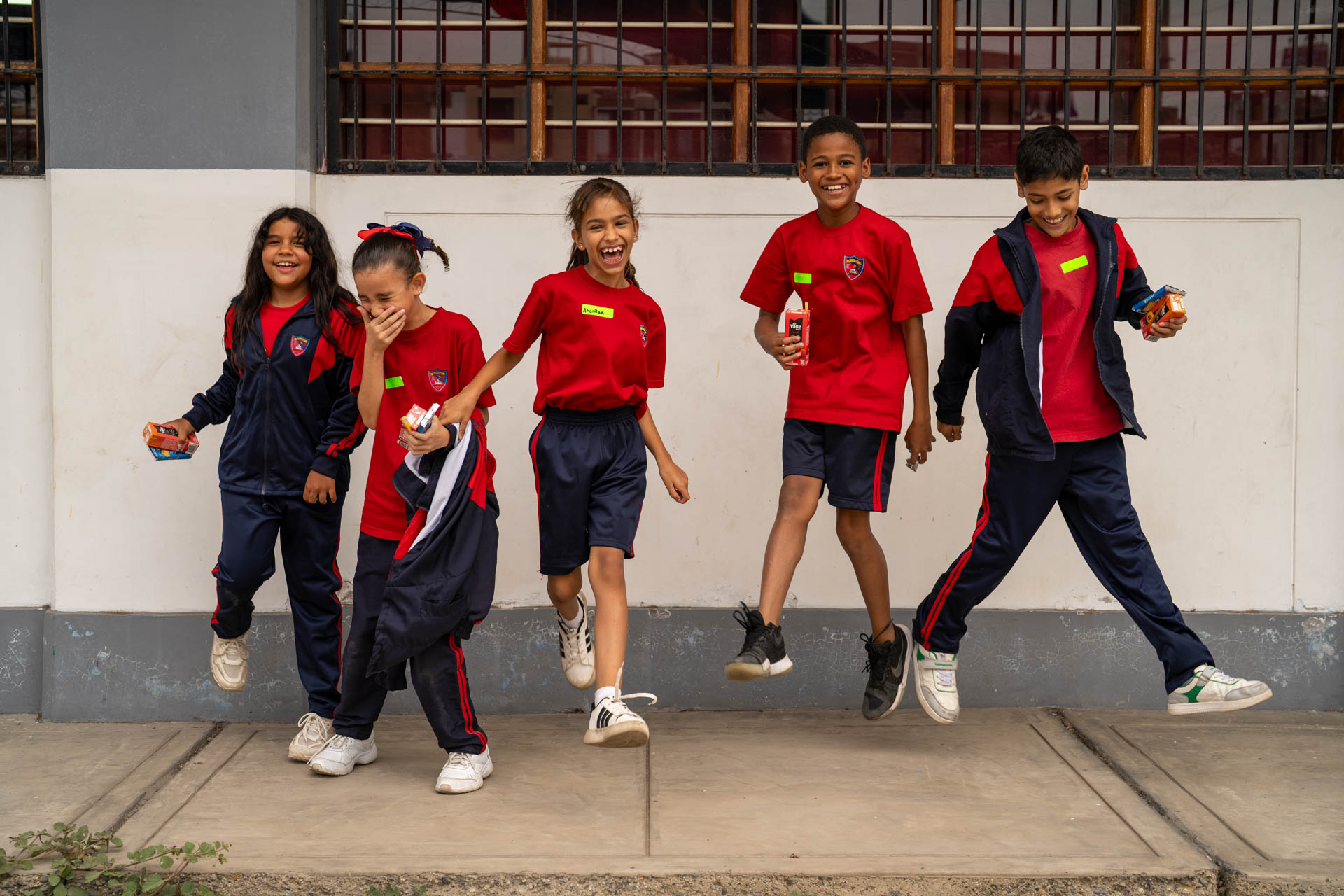
- Objective 1: Facilitate the access and educational inclusion of children and adolescents who are currently excluded from the Peruvian education system.
- Objective 2: Contribute to the integration and permanence of migrant children and adolescents in the education system.
Problem Statement
Peru remains the second country with the largest presence of Venezuelan migrants and refugees. For 2023, it is estimated that 1.54 million Venezuelan migrants are living in Peru. A significant percentage of school-age children are not studying.
DYA measured this gap based on a comparison between the size of the school-age population contained in the latest ENPOVE survey and official data from the Ministry of Education on the total enrollment of children and adolescents in the education system: The school-age population between 5 and 18 years represents approximately 24% of the total population, that is, 254,467 children and adolescents, while, according to official information from MINEDU, 135,552 children and adolescents are enrolled in the Peruvian education system, which means that, according to a conservative estimate, 46.7% of the school-age population is excluded from the education system.
Several factors explain this situation, among the most relevant are the following:
- Lack of capacity of public schools to meet demand.
- There is no open information at the national level on the number of vacancies per school and grade.
- Lack of knowledge and discretionary application of norms and regulations regarding the registration process in educational institutions.
The persistence of these access barriers over time has an effect that seriously limits not only the access of migrant children to education, but also their continuity in the education system: By remaining out of school for several years, children accumulate years of grade-level lag or overage: among children and adolescents between 8 and 17 years enrolled with DYA support, 68.3% have a severe excess of two years or more: 30% of them have two years of delay and 38% have three years or more.
The school attendance rate (2023) among the Venezuelan population is 76% compared to 91% of the host community, a gap of 15 percentage points.
In addition to the access barriers described, there are other issues that seriously limit the permanence and educational continuity of both Peruvian and migrant children and adolescents:
The pandemic had a very adverse effect on education: Latin America was the region where schools remained closed for the longest period (2 years). Although various distance education modalities were implemented, the digital gap that existed before the pandemic seriously limited the connectivity possibilities of students.
The effect can be seen clearly through the results of both international learning achievement tests and those applied in Peru that show a setback in the development of competencies: Only 15% of 6th grade primary school students reached the expected achievement level in mathematics and 25% in language.
At the secondary level the situation is even more complex: only 12.7% of secondary school students achieved the satisfactory level in mathematics and 19.1% in communication.
The issue of severe educational lag has not been addressed by public policy in Peru, which becomes the only country in the region that does not have some form of regular accelerated and flexible education that allows children with severe grade-level lag/overage to catch up on their age-grade gap.
Components and Activities
DYA's proposal is designed to address the most significant gaps facing the most vulnerable children and adolescents: those who are outside the education system or who, having managed to enroll, face an imminent risk of again interrupting their schooling because they are significantly behind: with overage of two years or more, or because they have not achieved the basic learning competencies for the grade they are in.
OE1: Facilitate access and educational inclusion of children and adolescents excluded from the Peruvian education system.
Component: Comprehensive educational inclusion service.
Main lines of action:
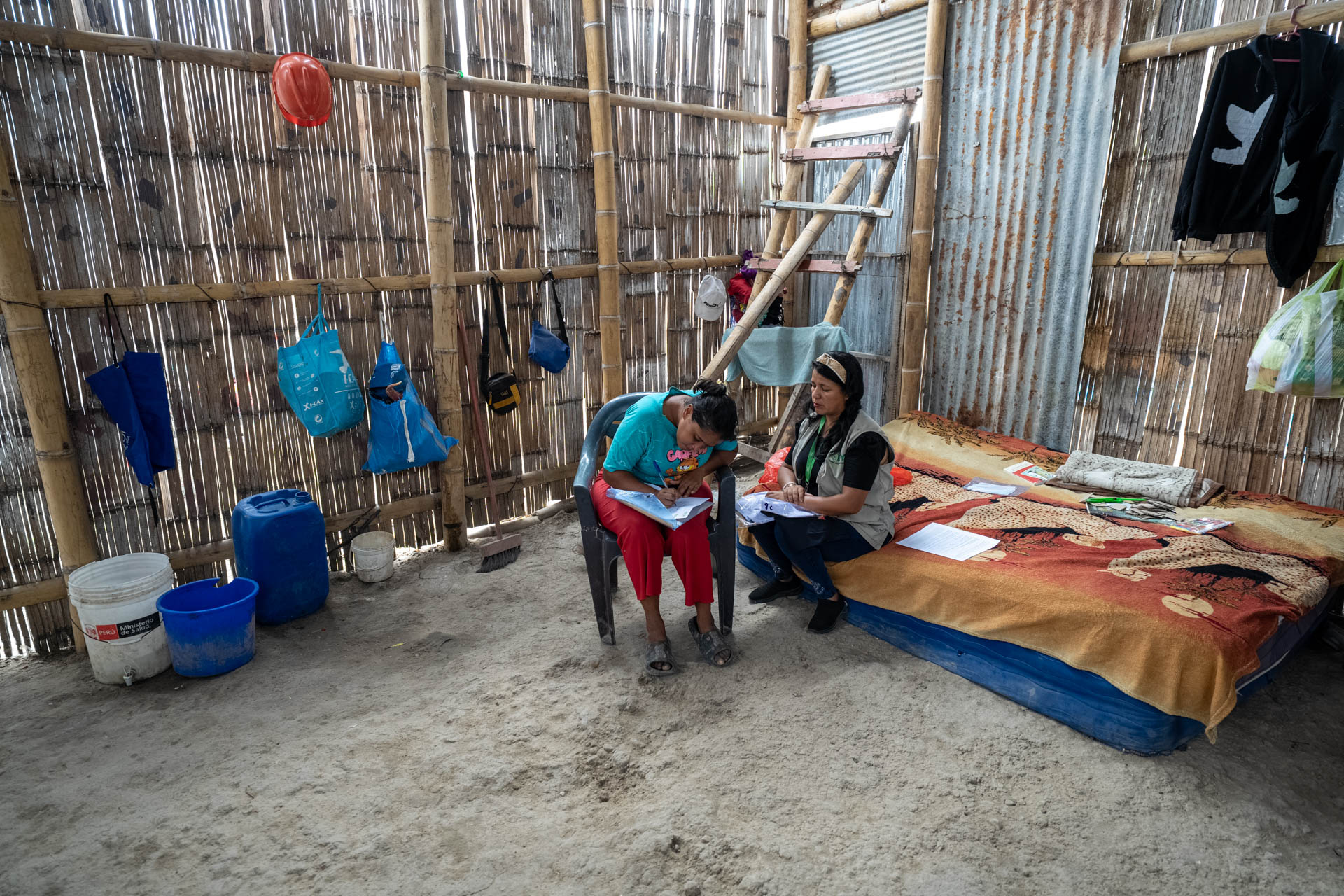
1.1. Accompany migrant and refugee children and adolescents and their families in the school enrollment and integration process. The process begins with the identification of children and adolescents outside the school system. Territorial tracking is complemented by mobile service points in places frequented by migrants and refugees, participation in multi-service fairs and opening of help hotlines. Once the educational demand has been identified, a team of trained promoters provides personalized advice on enrollment requirements for each school-age member in the registered household. The technical team advises families on the difficulties they will encounter in the process and strategies to overcome them. DYA's work is not limited to providing information and advice; it also accompanies families until their children are effectively enrolled in the education system. To do this, DYA collects information about available vacancies in educational institutions near families' homes and analyzes the information with parents, mothers or caregivers.
1.2. Create conditions in schools that facilitate the inclusion of non-schooled children and adolescents and/or those requiring relocation: "Schools that Make a Difference." This involves incorporating some key actions that facilitate the integration of children in a support package: small classroom adaptations to serve the new students, raising awareness, training and technical assistance to the educational community (administrators, administrative staff, teachers and representatives) and information about existing demand, in terms of the number of children not attending school in its area of influence, in order to anticipate these needs and be able to address them.
1.3. Program "Play and Learn" to strengthen reading, writing and mathematics, study habits and socioemotional skills of migrant and refugee children outside the education system. Despite the deployment of all the actions described above, each year at least 25% of the children identified by DYA outside the education system remain out of school because there are no vacancies in schools near their homes. These children are approached with a non-formal educational offer that has a dual purpose: prepare children for their return to school and serve as a protection space.
Objective 2: Contribute to the integration and permanence of migrant children and adolescents in the education system.
Component: Educational programs.
2.1 Accelerated and flexible leveling program. The program is implemented in all project regions. It will serve primary level children who present the most severe conditions regarding grade-level lag/overage (two or more years out of the education system) or severe learning delays, that is, children who have not yet acquired the alphabetic code and are in the upper grades of primary school and therefore seriously see their participation and permanence compromised.
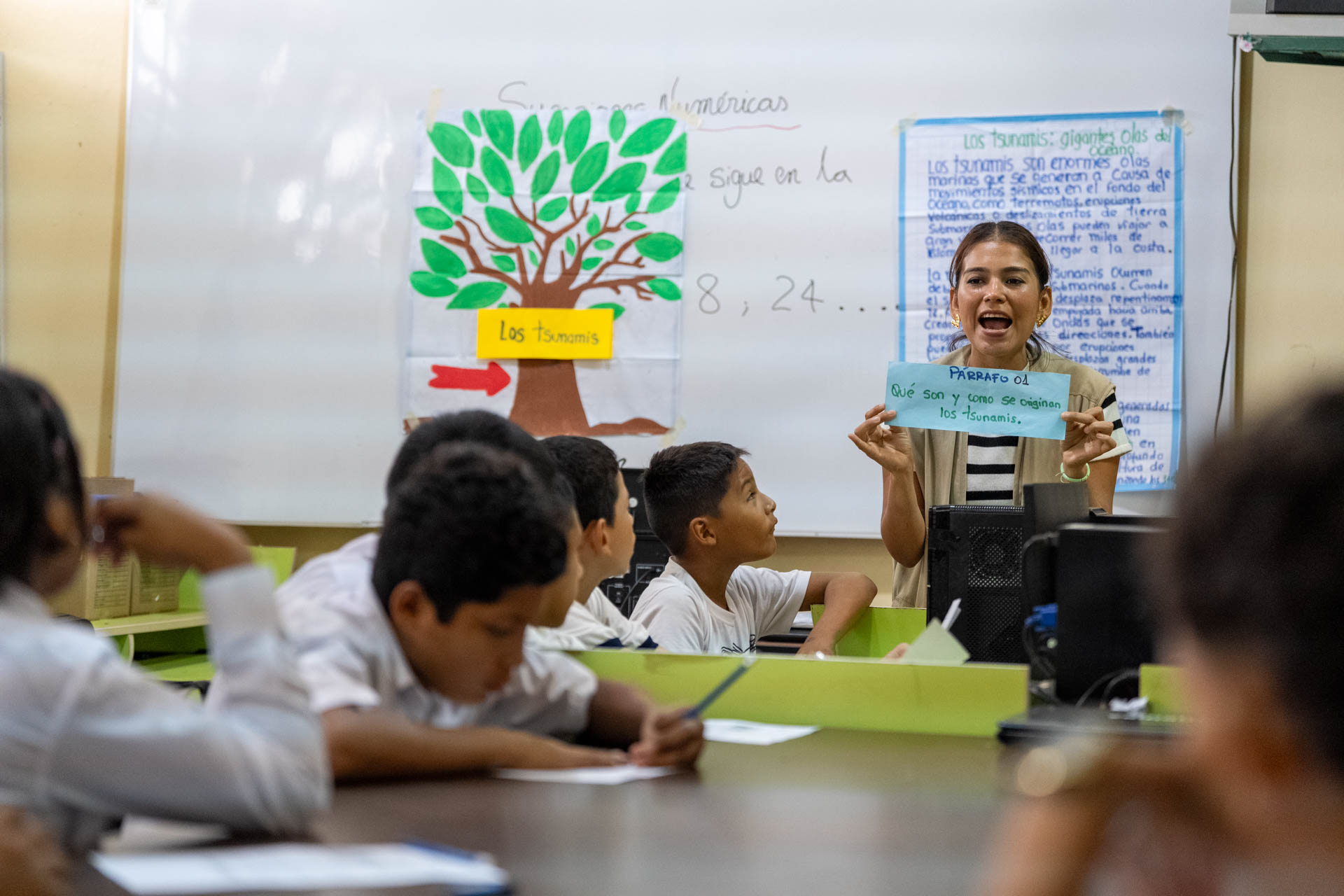
2.2. Academic Support Program for Primary Education children. During a 10-week period, two days a week, a teacher works with small groups (no more than 12-15 students) to fill the gaps and meet the educational needs of the participating children, and strengthen their self-esteem. The program is implemented in the same public schools.
2.3. Modular program in communication and mathematics for secondary students with learning gaps. The modular program for secondary is a flexible strategy aimed at students in their first and second year of secondary, in order to strengthen the development of communicative skills (reading comprehension and production) and mathematical skills (quantitative problems) proposed in the National Curriculum because they are at learning achievement levels below the grade or cycle they are in. This strategy seeks to ensure their permanence in the education system and level their learning performance gap in their grade. The program is modular because it works with skills of increasing complexity, which can be selected according to the students' learning level.
Component: Complementary mechanisms to ensure school permanence.
- Verify and monitor the attendance of enrolled children and distribute school kits for the start of classes.
- Establishment of referral agreements for beneficiaries according to identified needs.
- Support for affiliation in the Health System (SIS) for those who meet the requirements: children under 5 years old, pregnant/nursing mothers, school students who receive the school feeding program and people with a foreign residency card.
- Accompany families that continue to move within the territory to facilitate the transfer of their children to other schools and prevent children from having to interrupt their schooling again.
- Carry out informational sessions with students in the "schools that make a difference" to prevent discrimination, bullying and promote an inclusive and respectful school climate that accepts differences.
Target Group
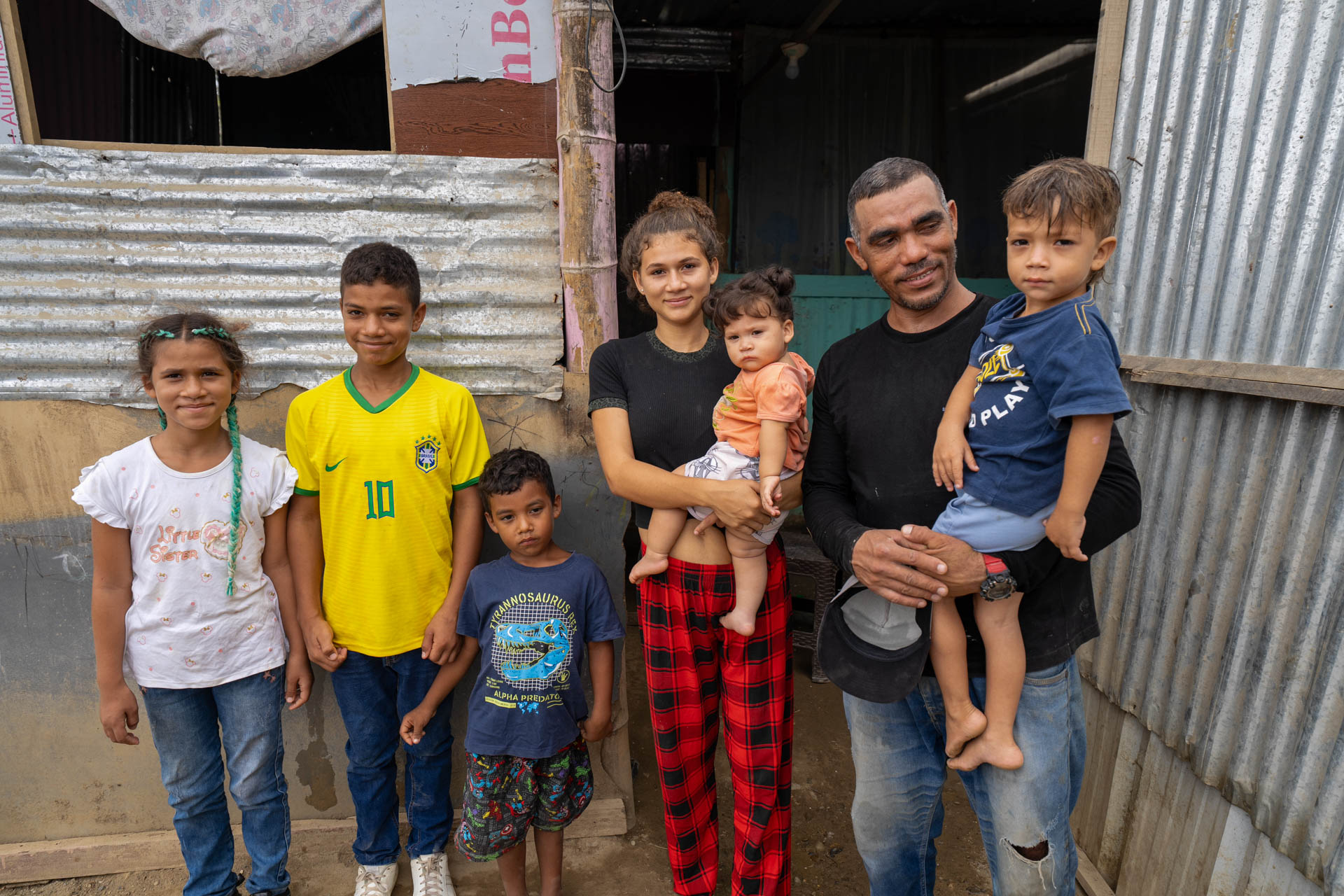
Children excluded from the Peruvian education system, especially Venezuelan migrants, in Tumbes, La Libertad, and Lima.
Partners and Counterparts
- Pontifical Catholic University of Peru
- Public educational institutions, Local Education Management Units and Education Departments of the intervention zones.
Financing Organizations
Bureau of Population, Refugees and Migration (BPRM) of the United States Department of State.
Highlighted Results
Results (as of April 2024):
- 1,107 children and adolescents enrolled in the Peruvian education system.
- 600 enrolled children who received a school kit.
- 1,633 fathers, mothers or caregivers advised on the school enrollment process.
- 1,522 children and adolescents participating in educational programs (317 in leveling, 926 in Academic Support, 684 in the modular communication and mathematics program for secondary).
- 215 children affiliated with integral health insurance (SIS).
- 520 school directors and teachers trained.