
Prevention of Chronic Child Malnutrition / Maternal and Child Care
Ecuador
Objective
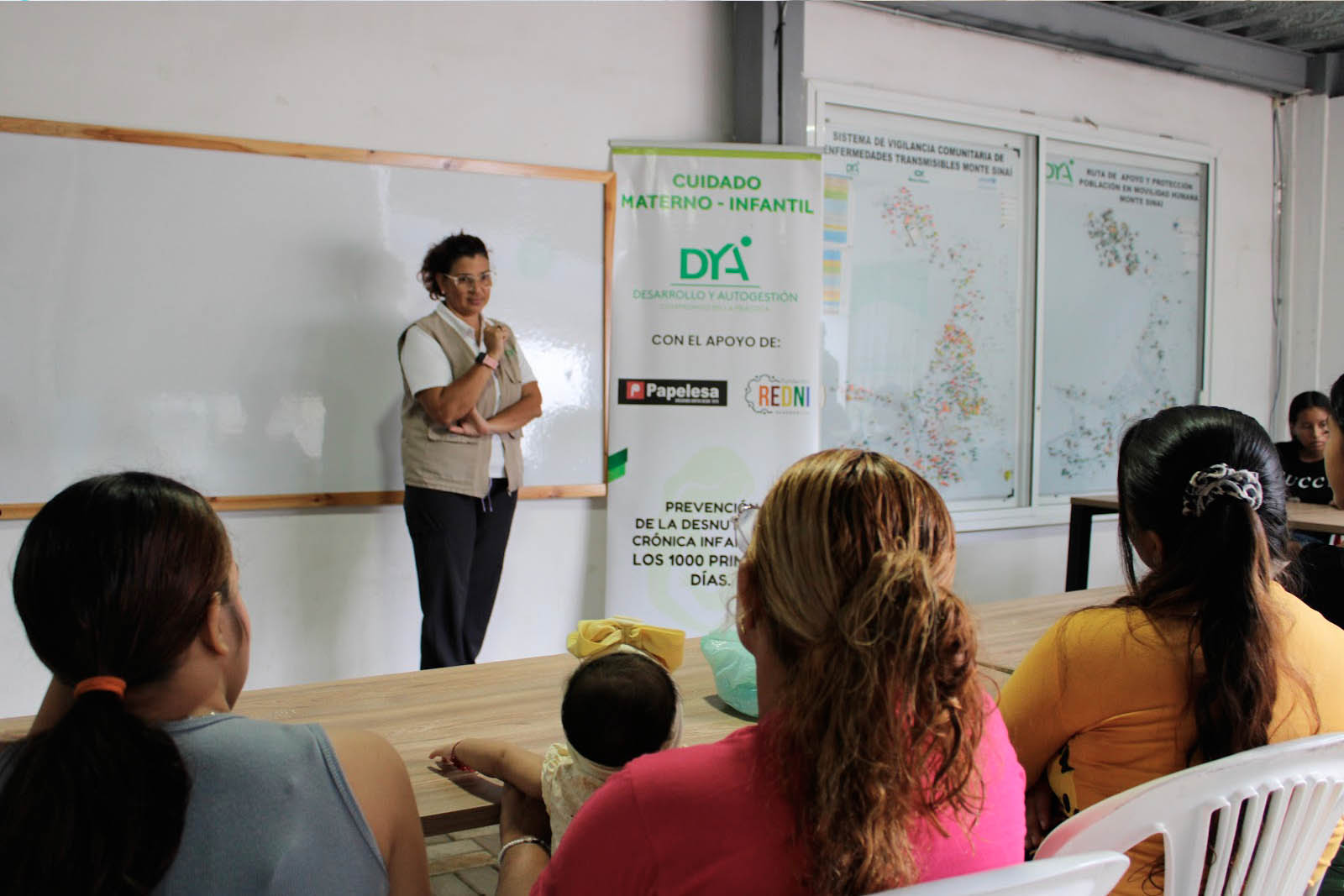
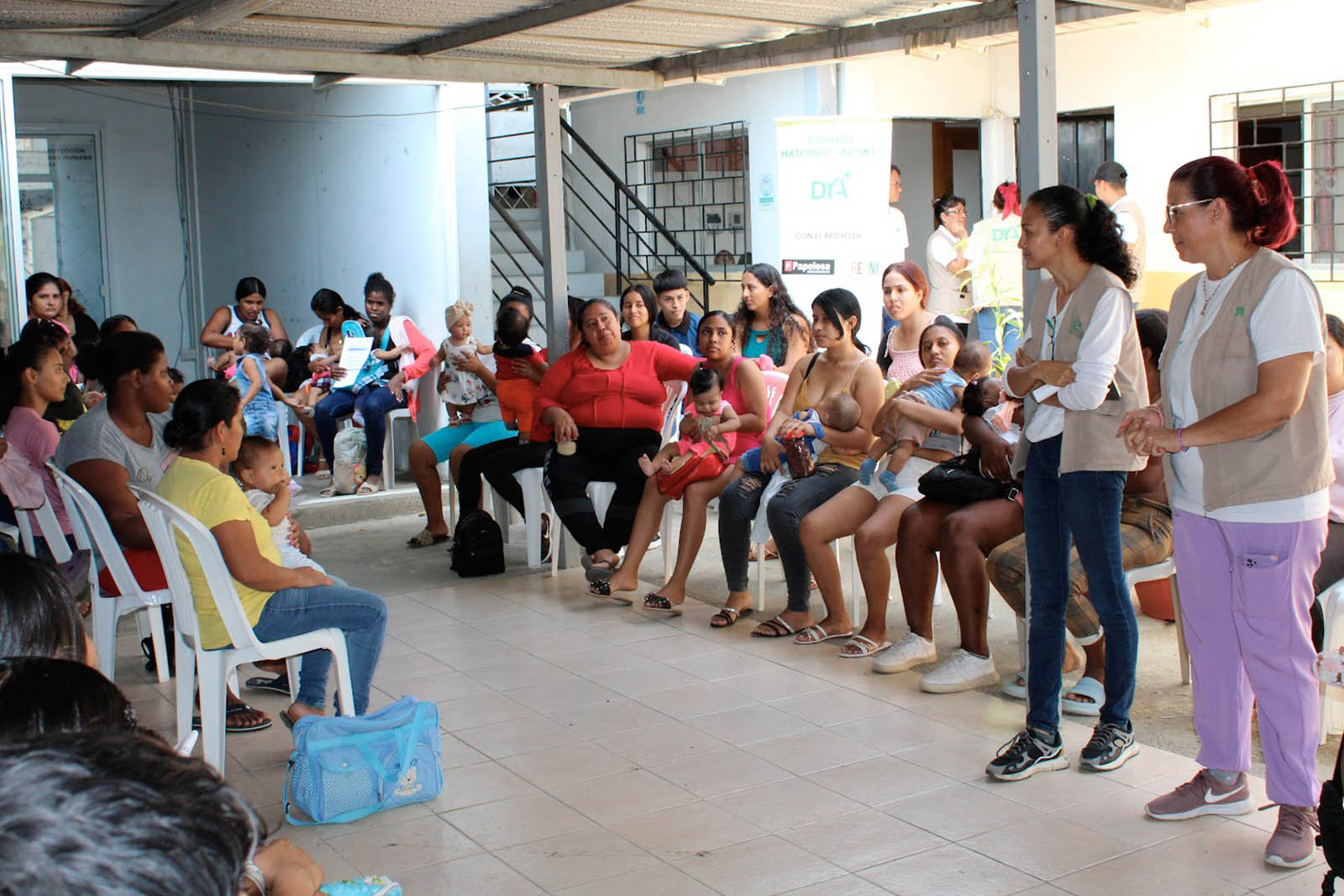
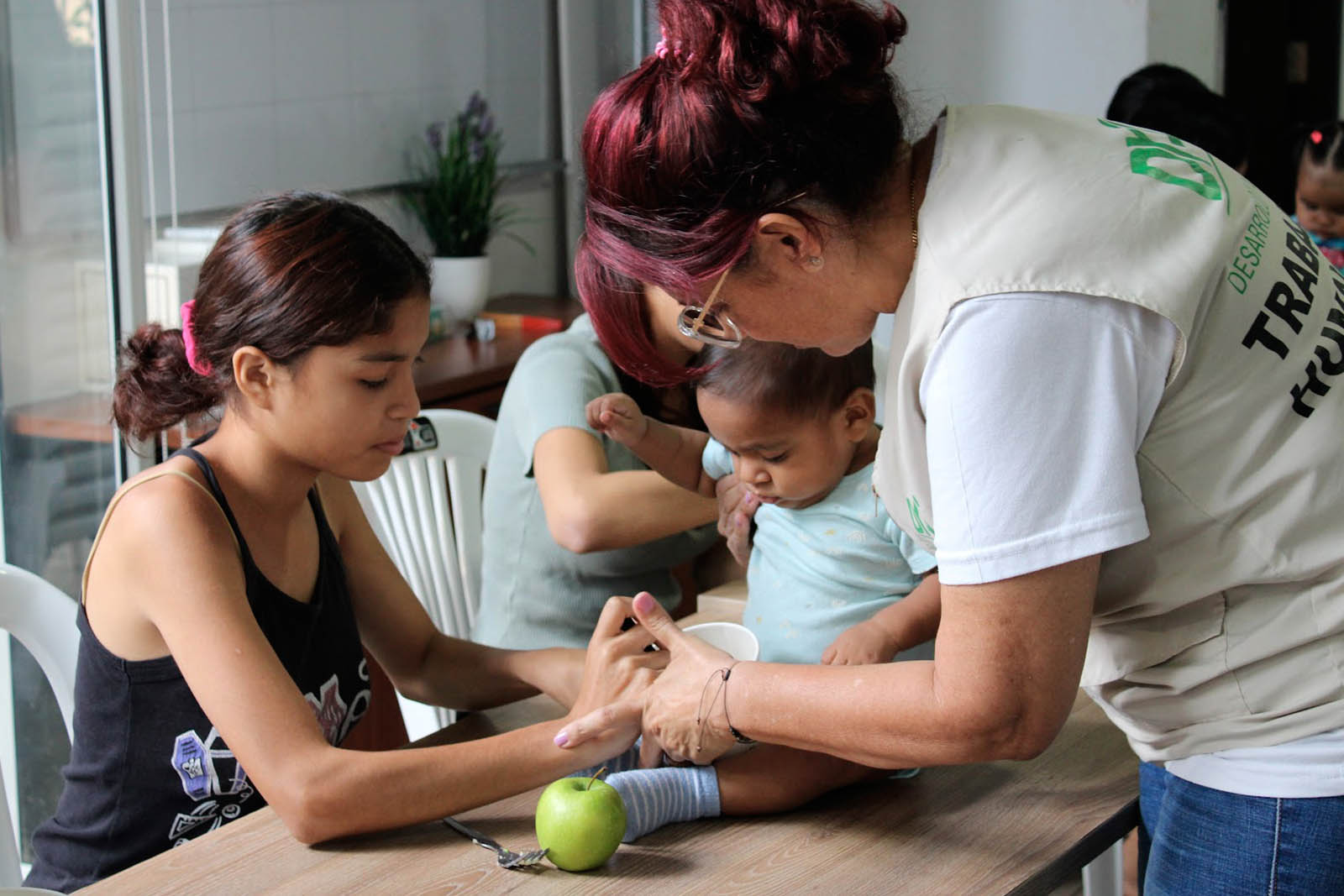
To contribute to the reduction of chronic child malnutrition in vulnerable areas through a comprehensive approach to the mother and her child, with timely access to prenatal checkups, early identification of risk factors, and strengthening of psychosocial support during pregnancy and early childhood.
Specific Objectives:
- Promote access to comprehensive care during pregnancy through the first 1000 days of life through prenatal checkups, pediatric care, and individual monitoring especially in pregnant women at risk.
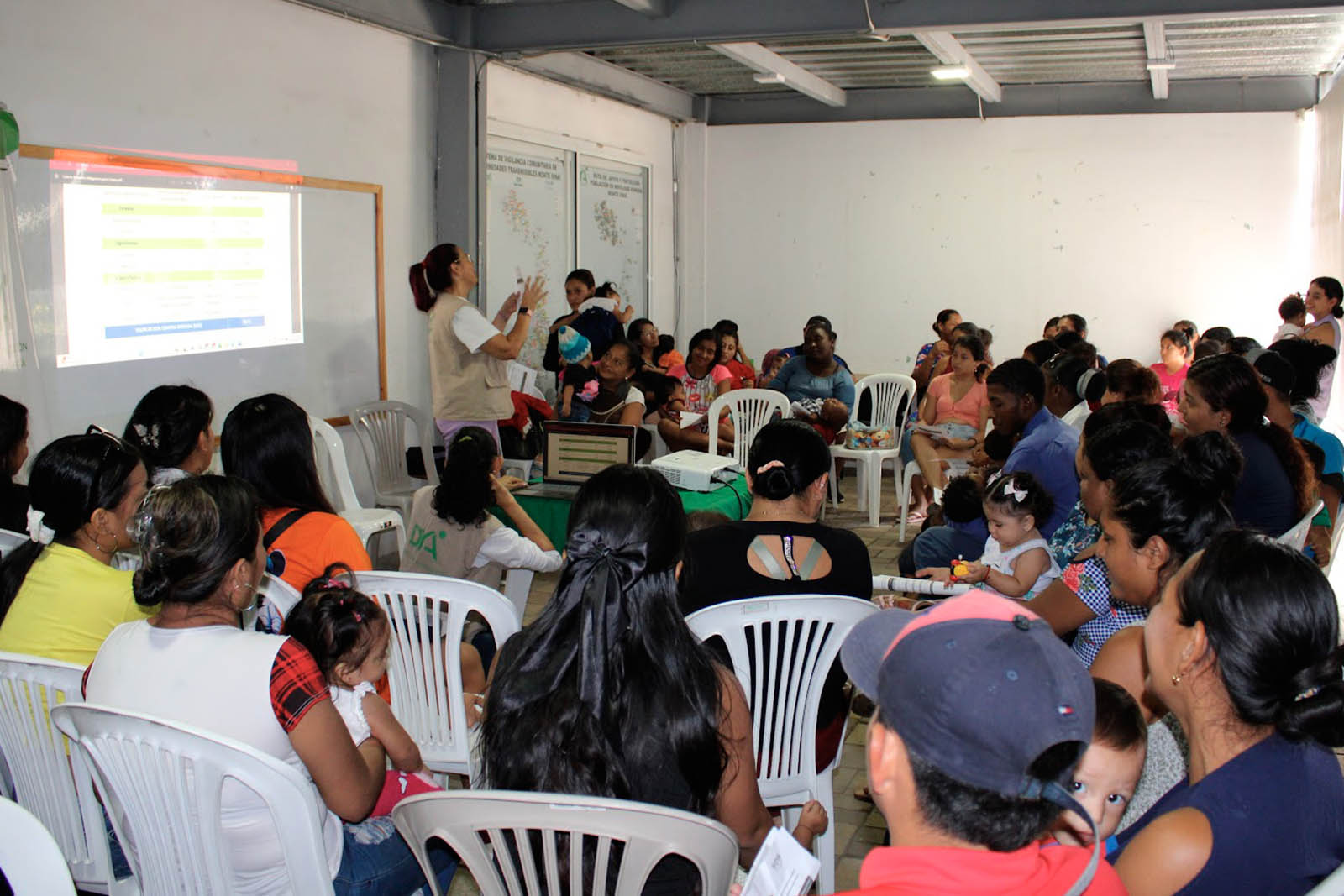
- Implement a nutritional education program through practical and participatory workshops, adapted to contexts of limited resources, that encourage active learning, changes in eating practices, and optimization of available resources to improve child nutrition.
- Provide psychosocial accompaniment to vulnerable pregnant women that strengthens their well-being, self-esteem, and capacities for care during pregnancy and early childhood.
- Mitigate the impact of food insecurity during pregnancy through the delivery of nutritional kits to reduce maternal nutritional deficit.
Problem Statement
Child development and growth depend on the availability of resources to meet basic needs according to age. However, in Ecuador, according to the National Survey on Child Malnutrition (ENDI) from the National Institute of Statistics and Censuses (INEC), approximately 1 in 5 children suffers chronic child malnutrition (CCM) in early childhood (second round 2023-2024), the prevalence of CCM in children under 2 years was 19.3%. CCM is an individual and family condition classified as a national public health problem. The deficit of conditions for the family to have adequate and sufficient food, lack of drinking water and sanitation, as well as the absence of comprehensive health care during pregnancy and early childhood, including adequate maternal education, explain this concerning situation.
In Monte Sinaí, the risk of child malnutrition increases because the population faces multiple barriers to access quality health services in a context marked by poverty and social exclusion. These conditions especially affect women during pregnancy, exposing them to greater risks of maternal and perinatal morbidity and mortality.
Many pregnant women live in conditions of moderate or severe food insecurity, which compromises their health and significantly increases the risk of maternal malnutrition and future child malnutrition. These conditions increase the probability of premature birth, low birth weight, and multiple complications during early childhood, affecting comprehensive development from the first days of life.
To these conditions is added adolescent pregnancy; 34.5% of pregnant women attended in the maternal and child care program are adolescents, many of them without access to continued education or family or institutional support.
The lack of early prenatal checkups is also alarming. 45% of women identified in the community by DYA had not received any checkup at the time of first contact. The causes range from scarce availability of appointments and staff in health centers to economic, geographic, and security difficulties in the territory. Additionally, the lack of timely access to basic tests, such as labs and ultrasounds, within primary care centers, and weak identification and monitoring of high-risk pregnancies, worsen this situation. All these factors create a scenario of high vulnerability for the mother-child binomial, making it crucial to implement comprehensive and sustained actions that effectively contribute to their health and well-being.
Components and Activities
- Care and attention to children under 5 years for prevention of child malnutrition and care for pregnant women, with emphasis on adolescents.
- Prevention of sexually transmitted infections, especially HIV, with emphasis on adolescents.
- Awareness and education with a rights-based approach, access to rapid tests, and promotion of condom use.
- Community education for prevention and health promotion.
- Adolescent participation and development. Educational and recreational spaces where adolescents reflect, inform themselves, and organize as agents of change.
- Community participation and empowerment with activation of local networks, training of community leaders, and strengthening of co-responsibility in health.
Target Group
Mothers, children under 5 years, and adolescents in Monte Sinaí, Guayaquil.
Partners and Counterparts
MANE
Financing Organizations
REDNI
Highlighted Results
Results from 2021 to 2024:
- 100% of pregnant women have 8 or more prenatal checkups.
- Strengthened capacities of mothers, fathers, and primary caregivers through practical nutritional education workshops, promoting adequate feeding and care practices in the first 1,000 days of life.
- Implemented psychosocial support mechanisms in maternal and child care through emotional support with tools for resilience.
- Less than 20% of children are born with low birth weight.
- 80% of children under 6 months are fed with exclusive breastfeeding.