
Community Health in Monte Sinaí
Ecuador
Objective
To improve family health conditions through greater knowledge and better preventive practices in areas of malnutrition, child malnutrition, disease prevention, and maternal and child care.
Specific Objectives:
- Strengthen coordination between community actors, social organizations, and public institutions, promoting a collective response from a rights-based approach that prioritizes community voice and leadership.
- Promote community practices for prevention and health promotion, strengthening knowledge and skills in key areas such as nutrition, pregnancy care, prevention of sexually transmitted infections, with active participation of families, local leaders, and adolescents.
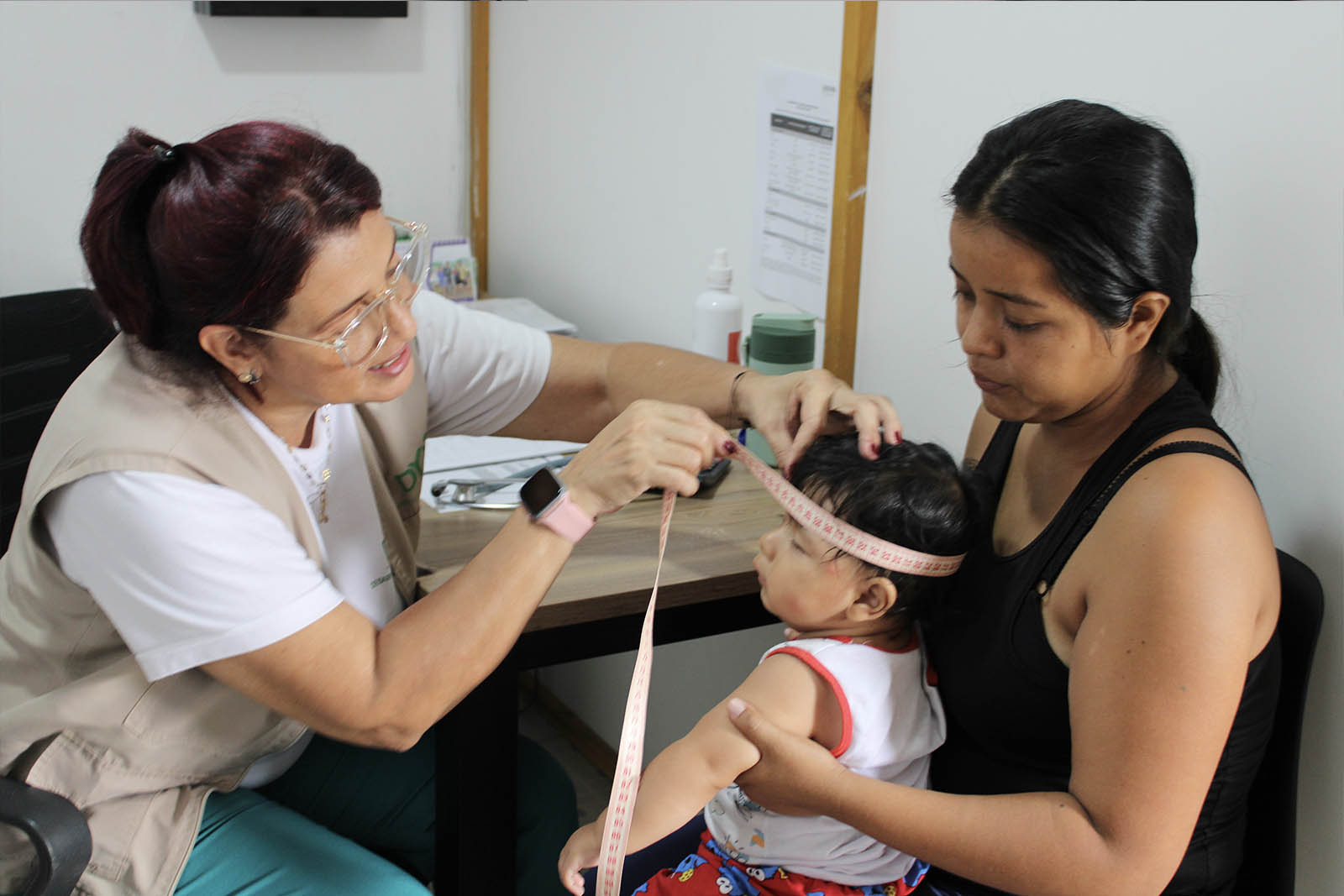
- Strengthen the capacities of families with children under five years through educational and practical spaces on adequate nutrition and community medical care.
Problem Statement
Monte Sinaí, a periurban sector in northwest Guayaquil-Ecuador, has 240,000 inhabitants; families live amid poverty, violence, and exclusion, with weak institutional presence and scarce basic services. This situation especially affects girls, boys, and adolescents, who live exposed to dynamics of insecurity, abandonment, and violence. The absence of safe spaces for participation, dialogue, and expression limits the exercise of their rights and comprehensive development. Families face limited economic resources and survival situations without adequate employment, with uncertain and insufficient income, and living in precarious housing built improvised on the hills of the sector. Geographic access is a fundamental obstacle, as public health units are located on the peripheries of settlements. Road infrastructure is precarious with third-order streets and limited public transportation, which greatly hinders population mobility. On the periphery there are three public health units: the Nueva Prosperina Center, offering intermittent care due to sector violence; the Ciudad Victoria Health Center; and the Monte Sinaí Health Center, which the population avoids due to fear of threats according to the cooperatives they belong to. The gap between the population and health units is evident, and medical units lack sufficient personnel and resources to adequately cover first-level care needs. The situation has worsened with the establishment of "invisible borders" imposed by various armed groups present in the territory. Pregnant women, boys, girls, and adolescents, as well as the general Monte Sinaí community, face multiple barriers linked to social determinants that restrict the exercise of their rights and limit their comprehensive development.
Components and Activities
- Care and attention to children under 5 years for prevention of child malnutrition and care for pregnant women, with emphasis on adolescents.
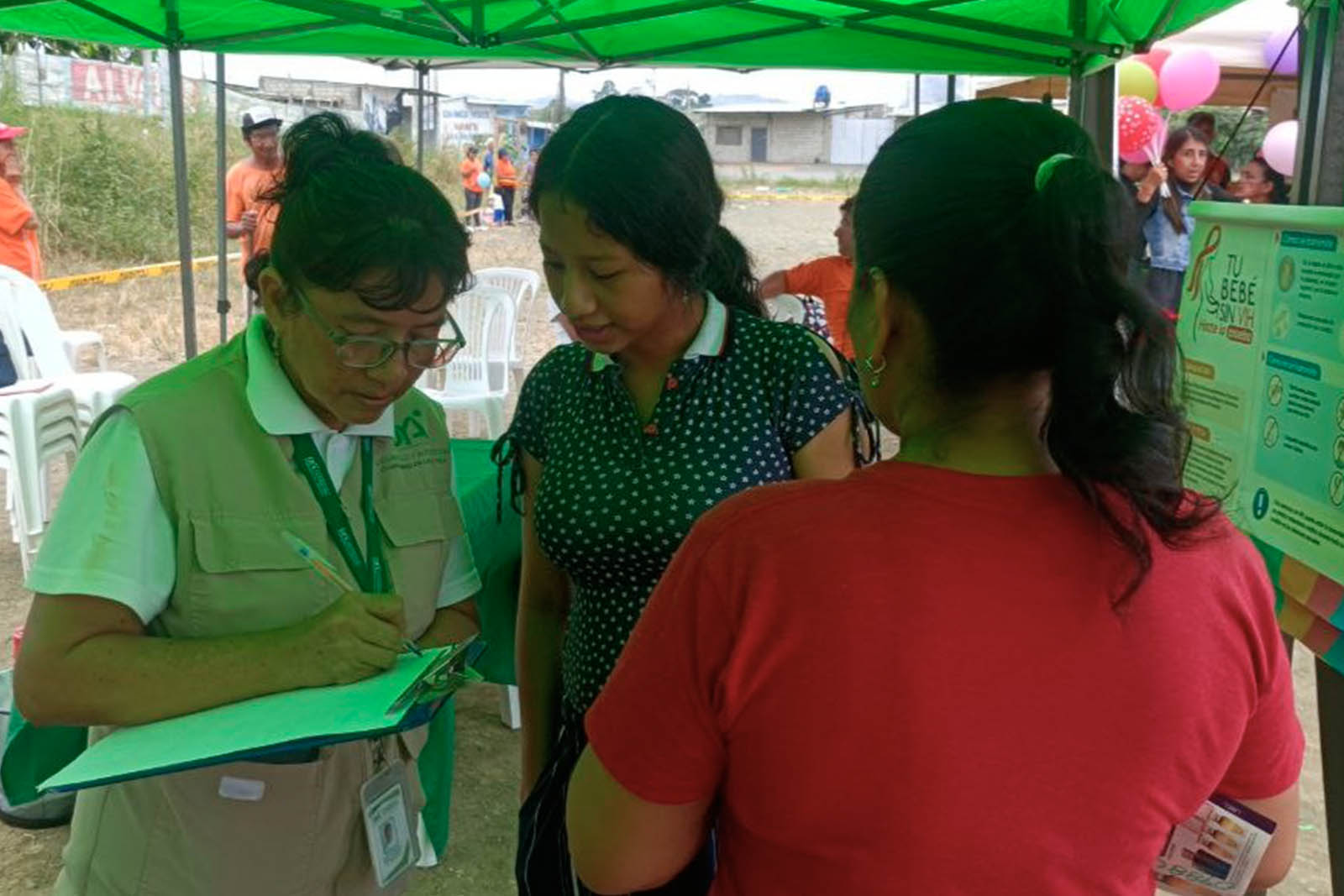
- Prevention of sexually transmitted infections, especially HIV, with emphasis on adolescents.
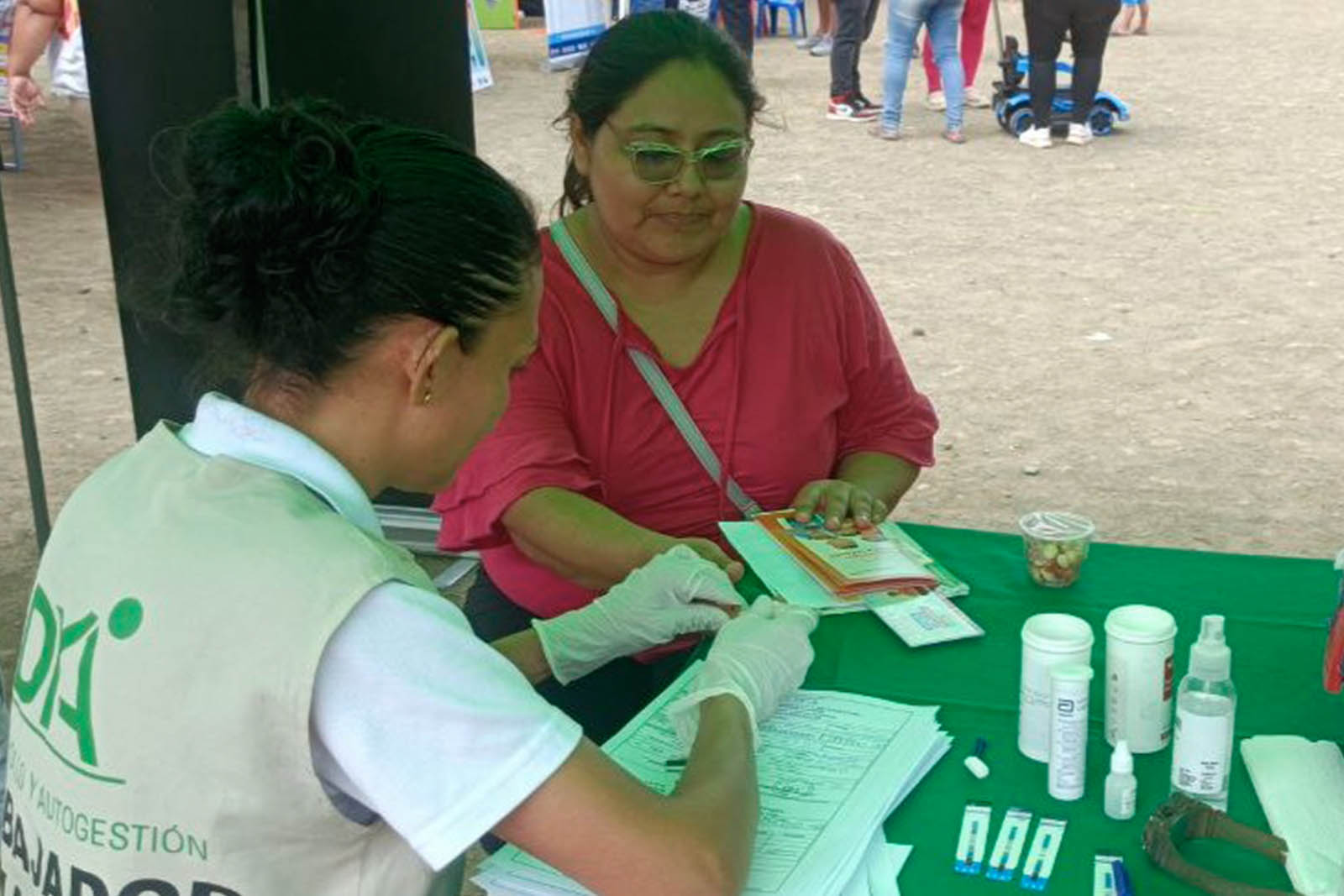
- Awareness and education with a rights-based approach, access to rapid tests, and promotion of condom use.
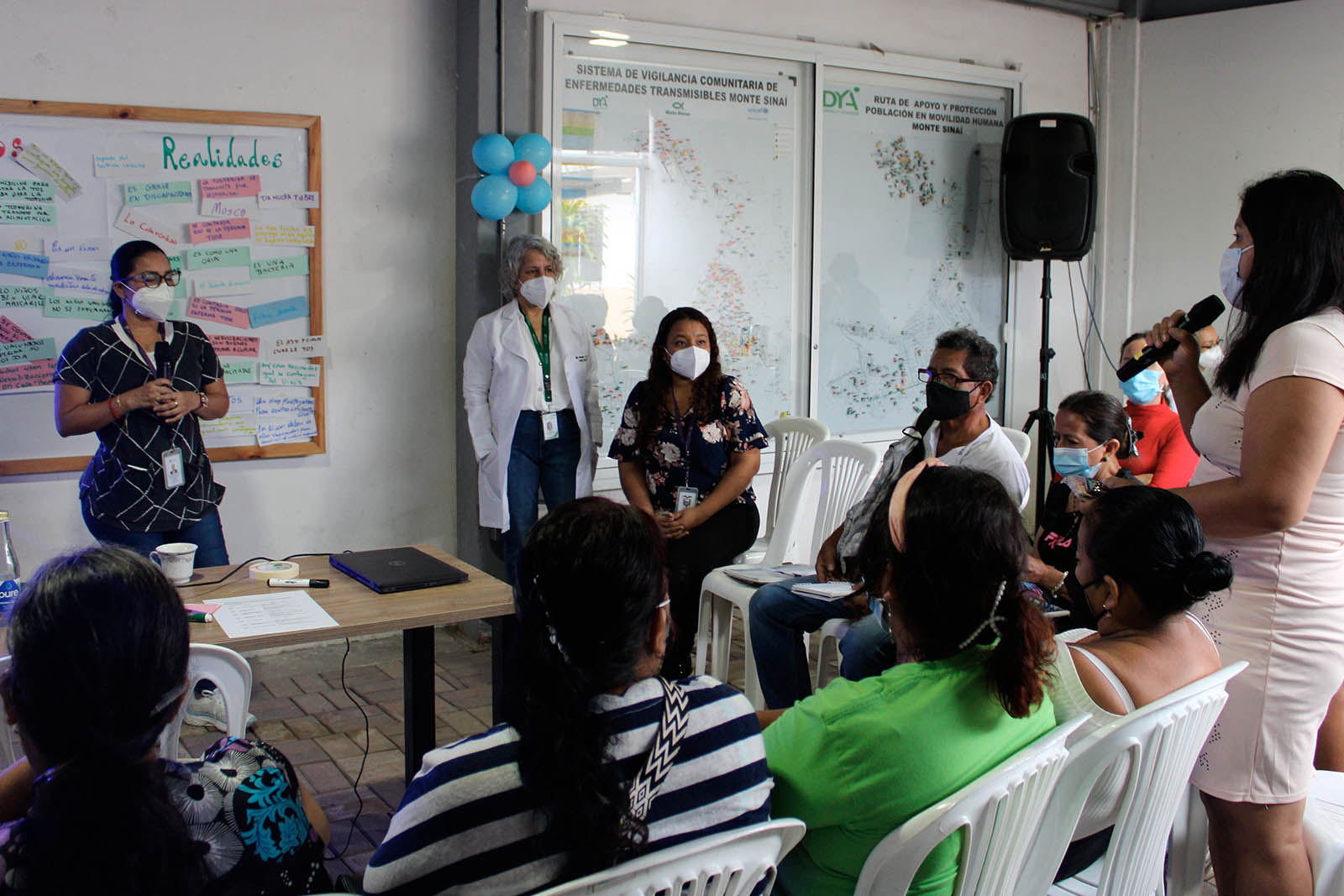
- Community education for prevention and health promotion.
- Adolescent participation and development. Educational and recreational spaces where adolescents reflect, inform themselves, and organize as agents of change.
- Community participation and empowerment with activation of local networks, training of community leaders, and strengthening of co-responsibility in health.
Target Group
Families, pregnant women, boys, girls, and adolescents of Monte Sinaí, Guayaquil.
Partners and Counterparts
Community / REDNI
Financing Organizations
Norwegian Mission Ecuador Alliance
Highlighted Results
Results from 2021 to 2024:
- Families trained in good health preventive practices and self-care for common diseases and infectious diseases.
- Pregnant women and adolescents are attended and trained for health care.
- Achievement of reduced malnutrition in children aged 0 to 5 years.
- Young people and adolescents take preventive measures against sexually transmitted diseases (HIV/AIDS) and COVID-19.
- People living with HIV/AIDS (PLWHA) participate in training processes on rights, self-esteem, and mechanisms to improve their living conditions.
- Community members participate in health defense activities (public advocacy).