
PAR Project – Responsible Agricultural Production
Argentina
Objective
To strengthen state, agricultural sector, and civil society capacities to prevent and eradicate child labor, improving protection systems and business social compliance mechanisms.
Problem Statement
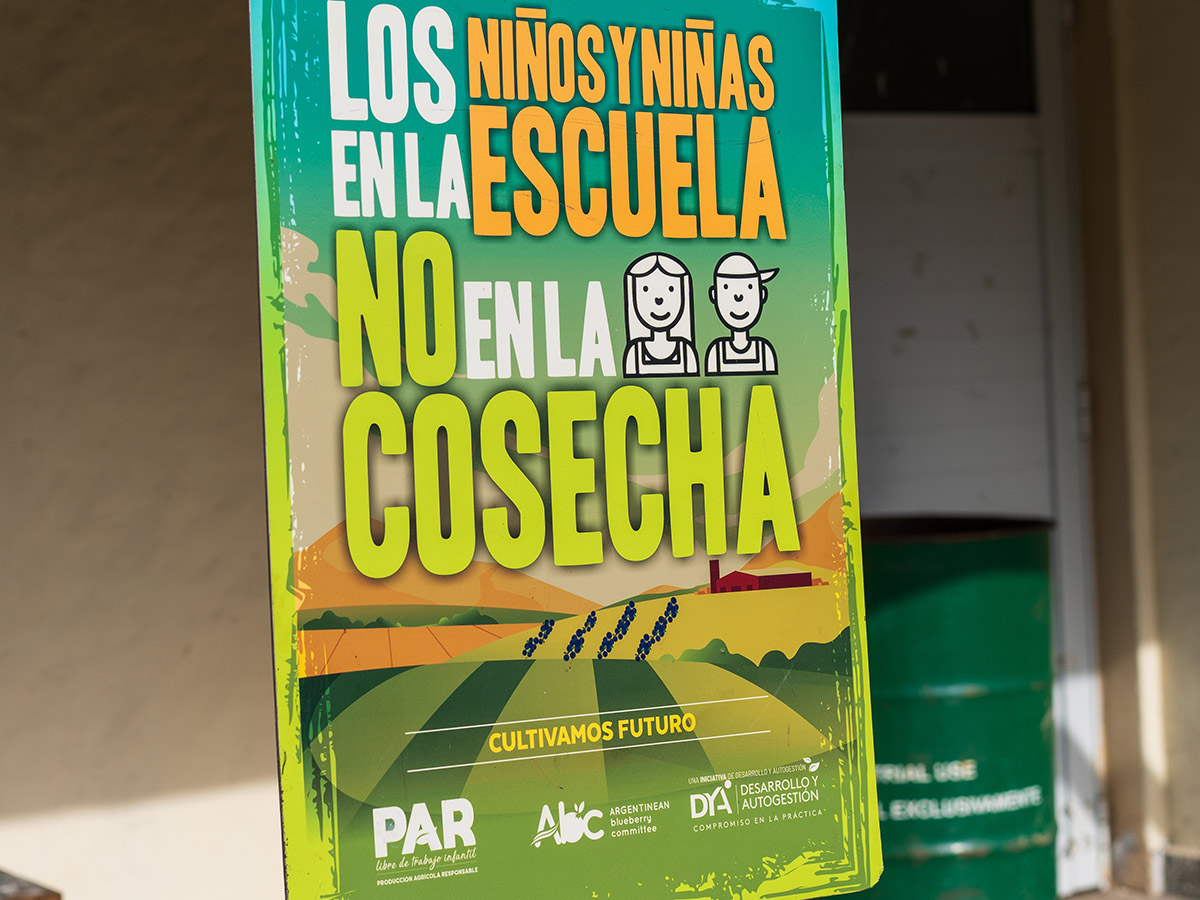
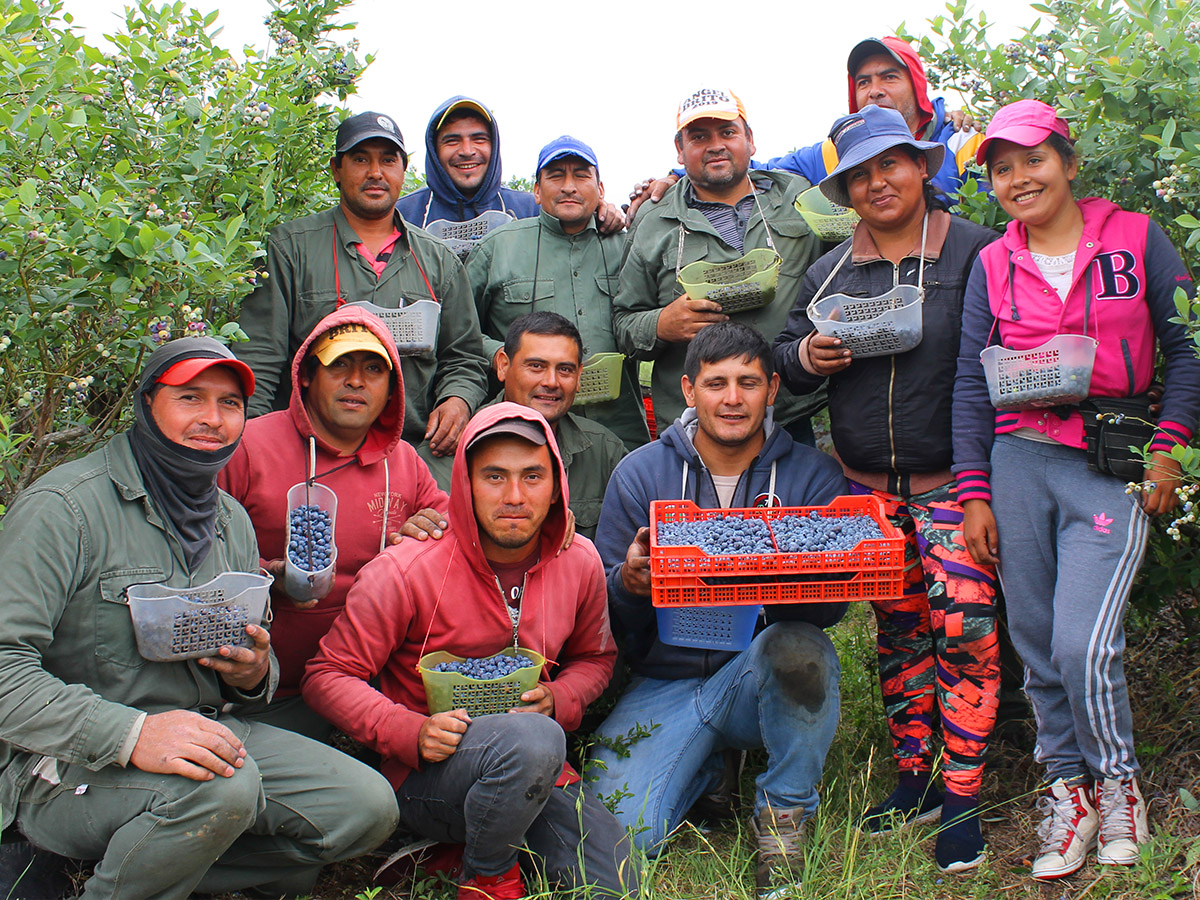
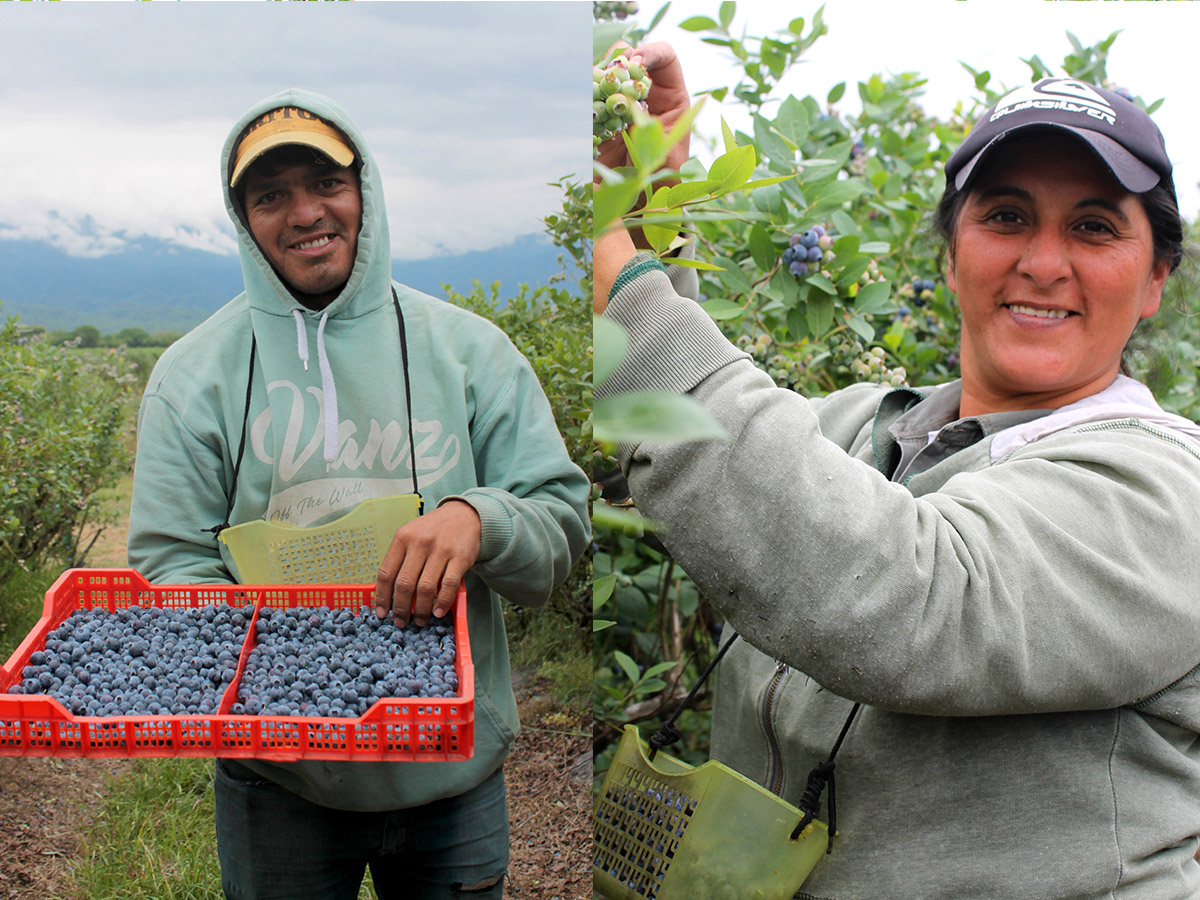
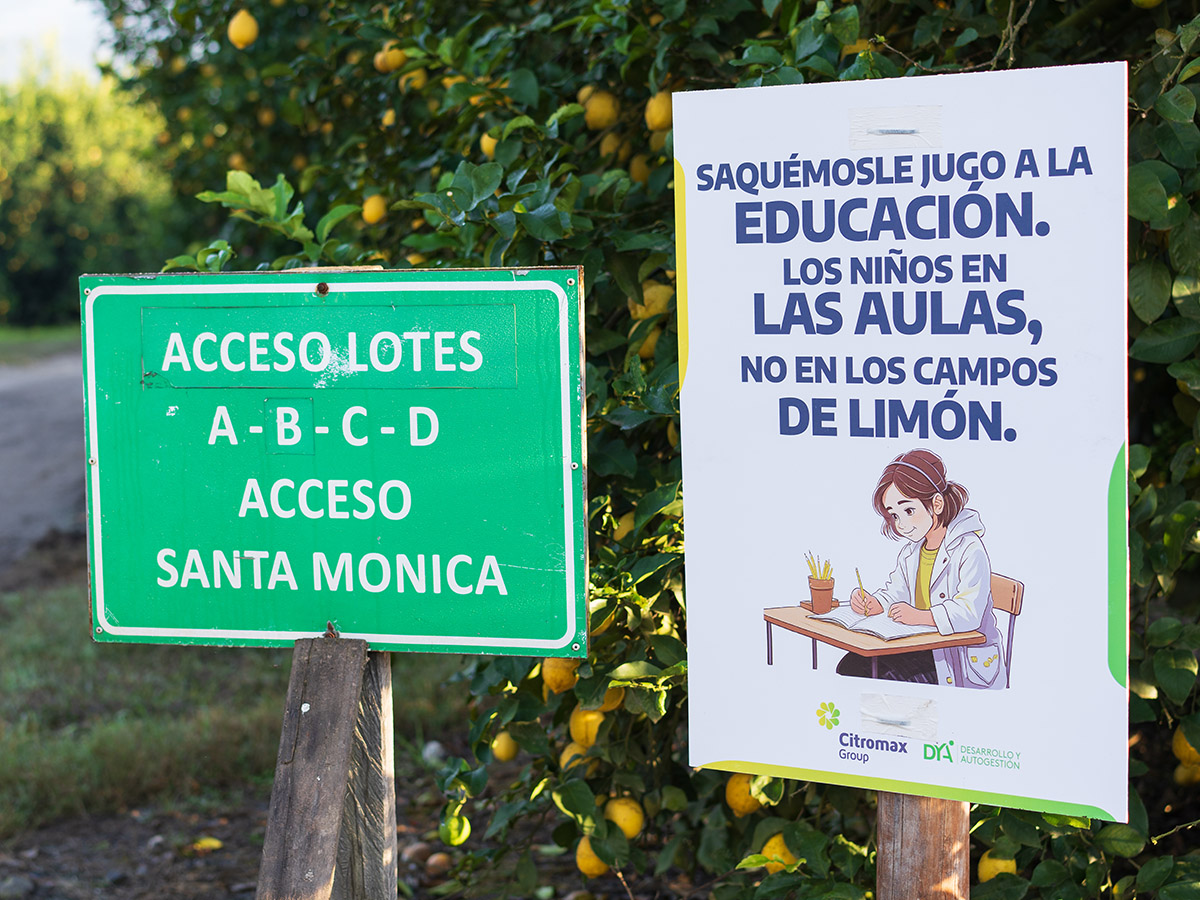
High incidence of child and adolescent labor in rural areas and agricultural sectors (blueberries, lemons, yerba mate), with limited social visibility and weak enforcement of legal frameworks in the field.
Components and Activities
- Implementation of Social Compliance Systems (SCS) in value chains.
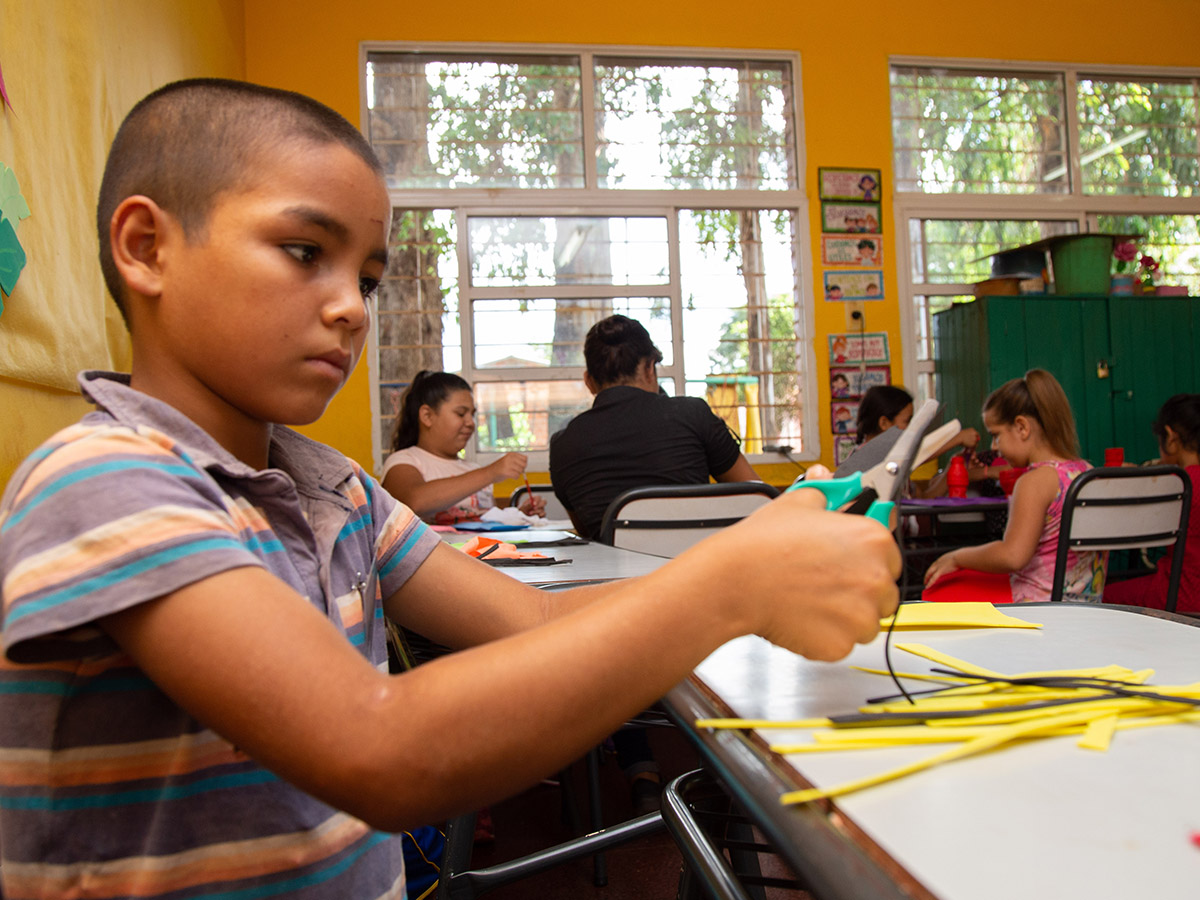
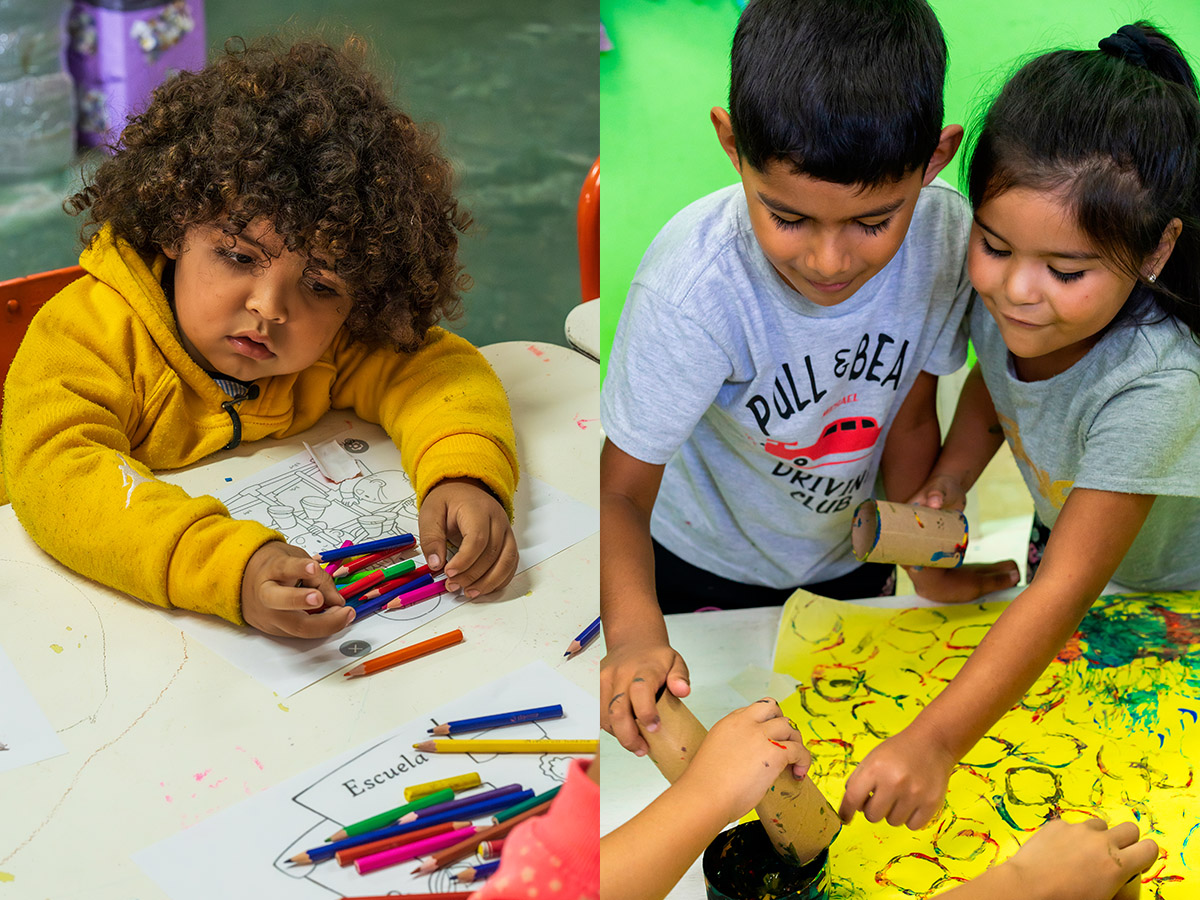
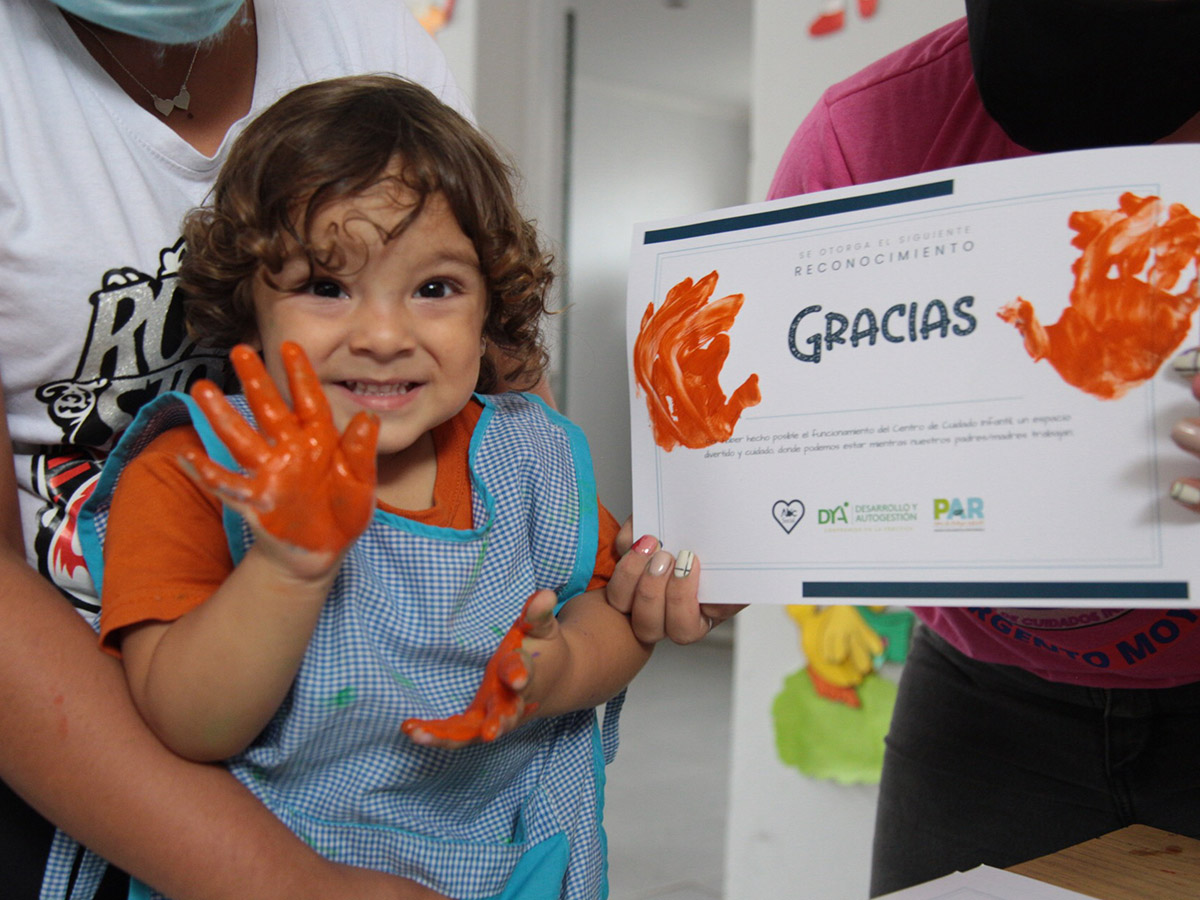
- Creation of community services: Child Care Centers (CCI) and Youth Centers.
- Strengthening of Rights Protection Systems in Misiones and Tucumán.
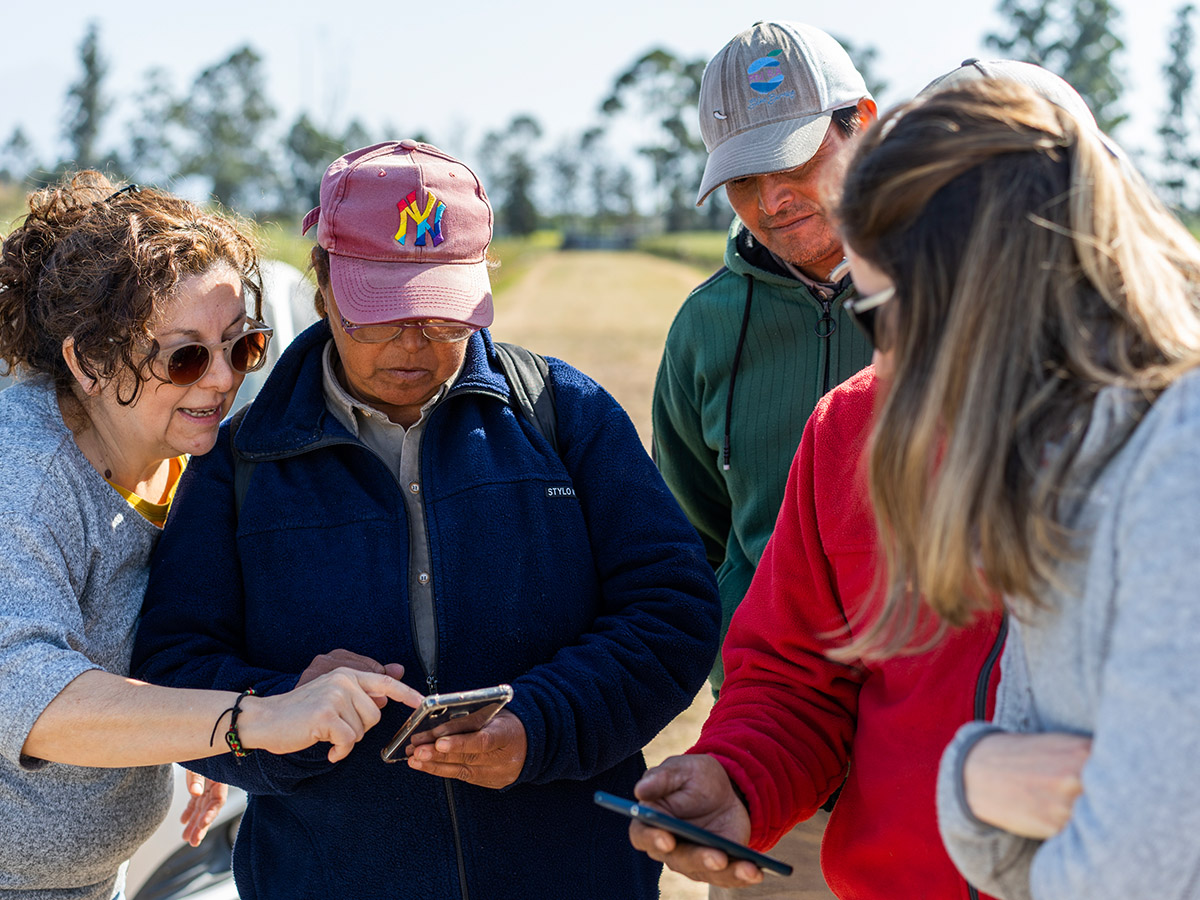
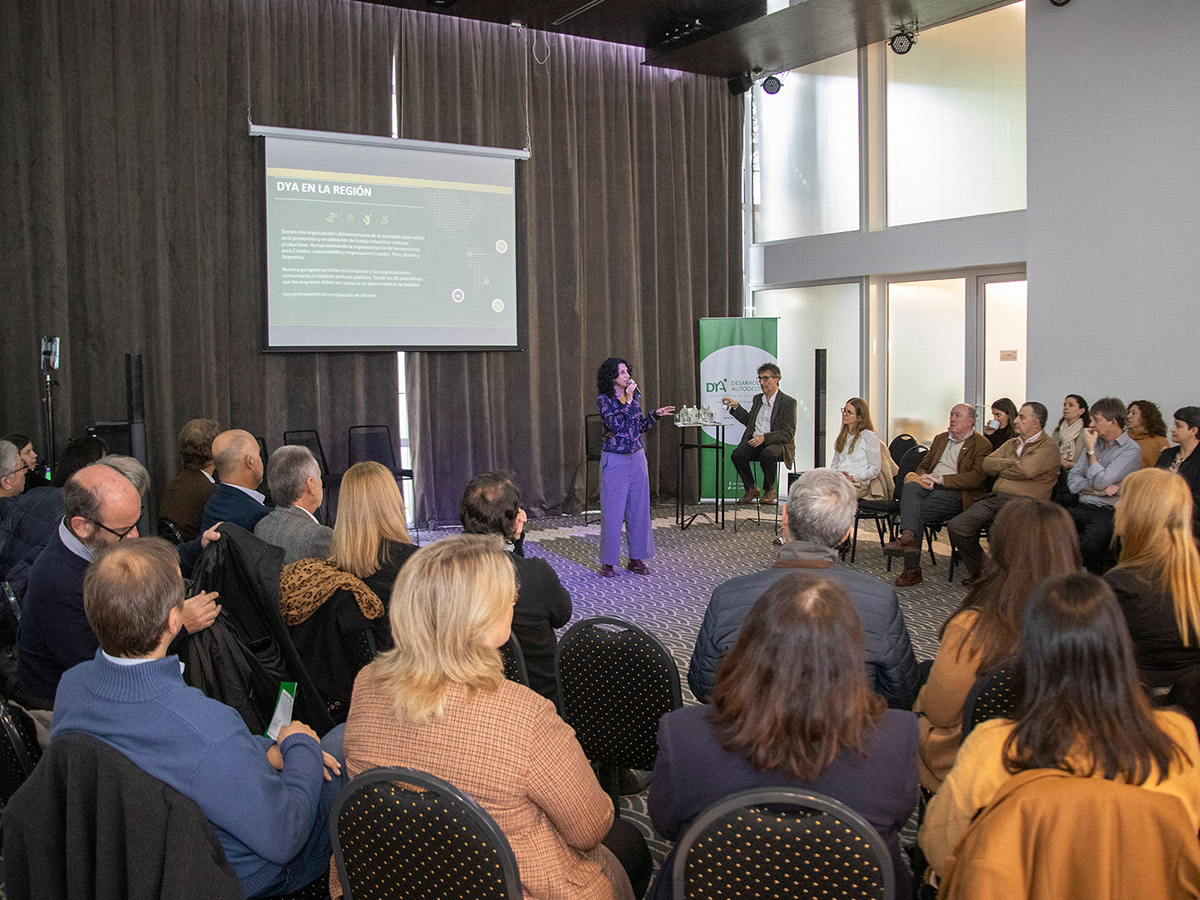
- Training of state and private actors and creation of local committees.
Target Group
Agricultural communities, children, and families in Tucumán, Misiones, Entre Ríos, and Buenos Aires.
Partners and Counterparts
- Implementing Organization: Desarrollo y Autogestión (DyA).
- Public Sector: Provincial Ministries, COPRETIs, 79 local governments.
- Private Sector: Companies and chambers (Blueberry, Lemon, Yerba Mate), RENATRE.
- Civil Society: National Universities, labor unions.
Financing Organizations
U.S. Department of Labor (USDOL/ILAB/OCFT).
Highlighted Results
Direct impact on public policies and business practices:
- Policy Impact: The Argentine blueberry sector was removed from the U.S. list of products made with child labor (TVPRA).
- Reach: 2,782 people trained and 79 state entities strengthened.
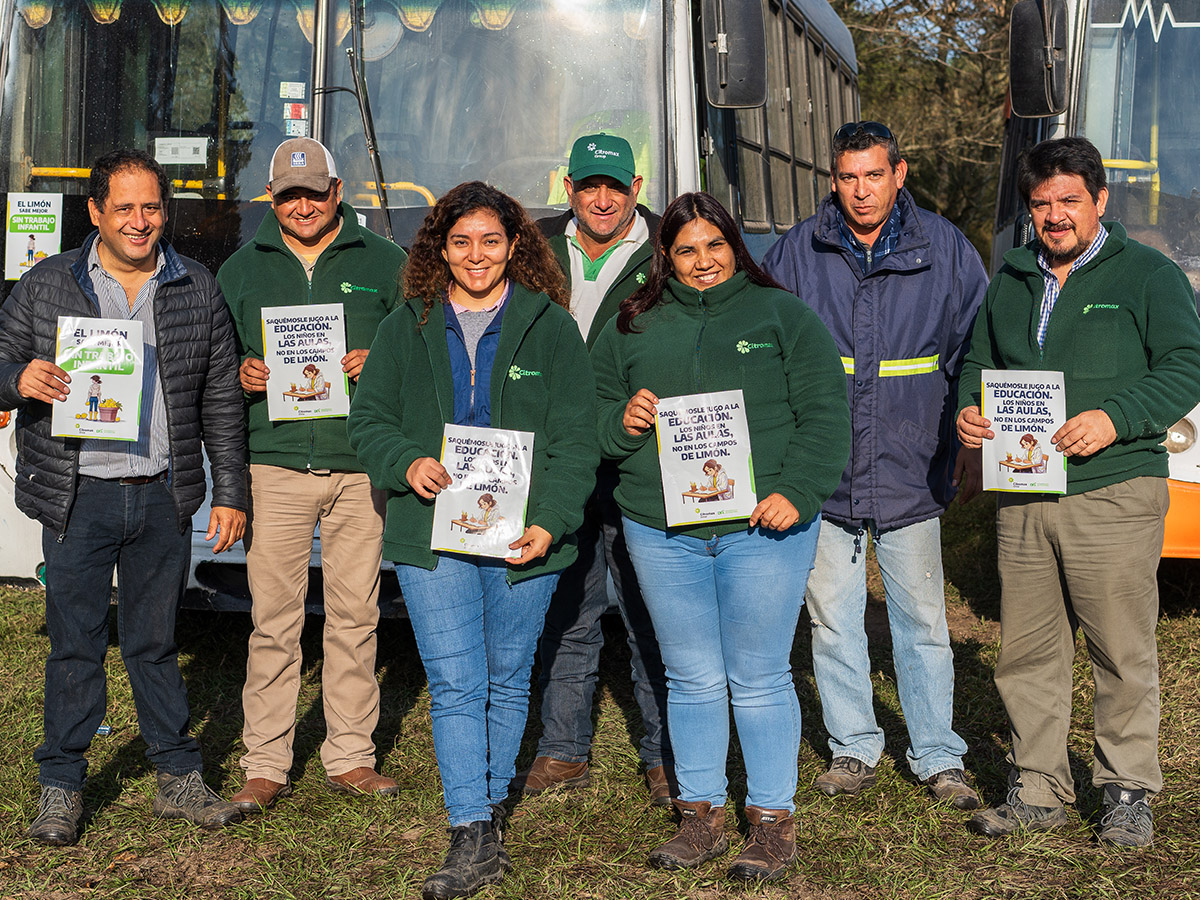
- Companies: 15 companies implemented the Social Compliance System (SCS).
- Management: 17 inter-institutional committees in operation and 8 sustained local plans.
DYA work lines
Rights protection and promotionEconomic empowerment and sustainable production
Technical descriptors
Child laborProductive and agricultural developmentValue-chain due diligence