
TRAMAS Project
Argentina
Objective
Design and implement a community mental health device for adolescents in Santa Lucía, Tucumán, based on promotion, prevention and early detection, with leading participation of young people in its construction, and with capacity to be replicated in other territories of the country and the region.
Problem Statement
Santa Lucía is a community with a sugar-industry history marked by decades of economic crisis, seasonal work and high social vulnerability. A 2024 survey showed that 80% of school-aged adolescents work for the market, with interrupted educational trajectories and limited access to health services adapted to their needs. Community mapping with young people themselves identified unplanned pregnancies, risk behaviors, low self-esteem and distrust of institutional services as main challenges. Specialized mental health resources are insufficient; the whole area had only one psychology professional at the time of diagnosis.
Components and Activities
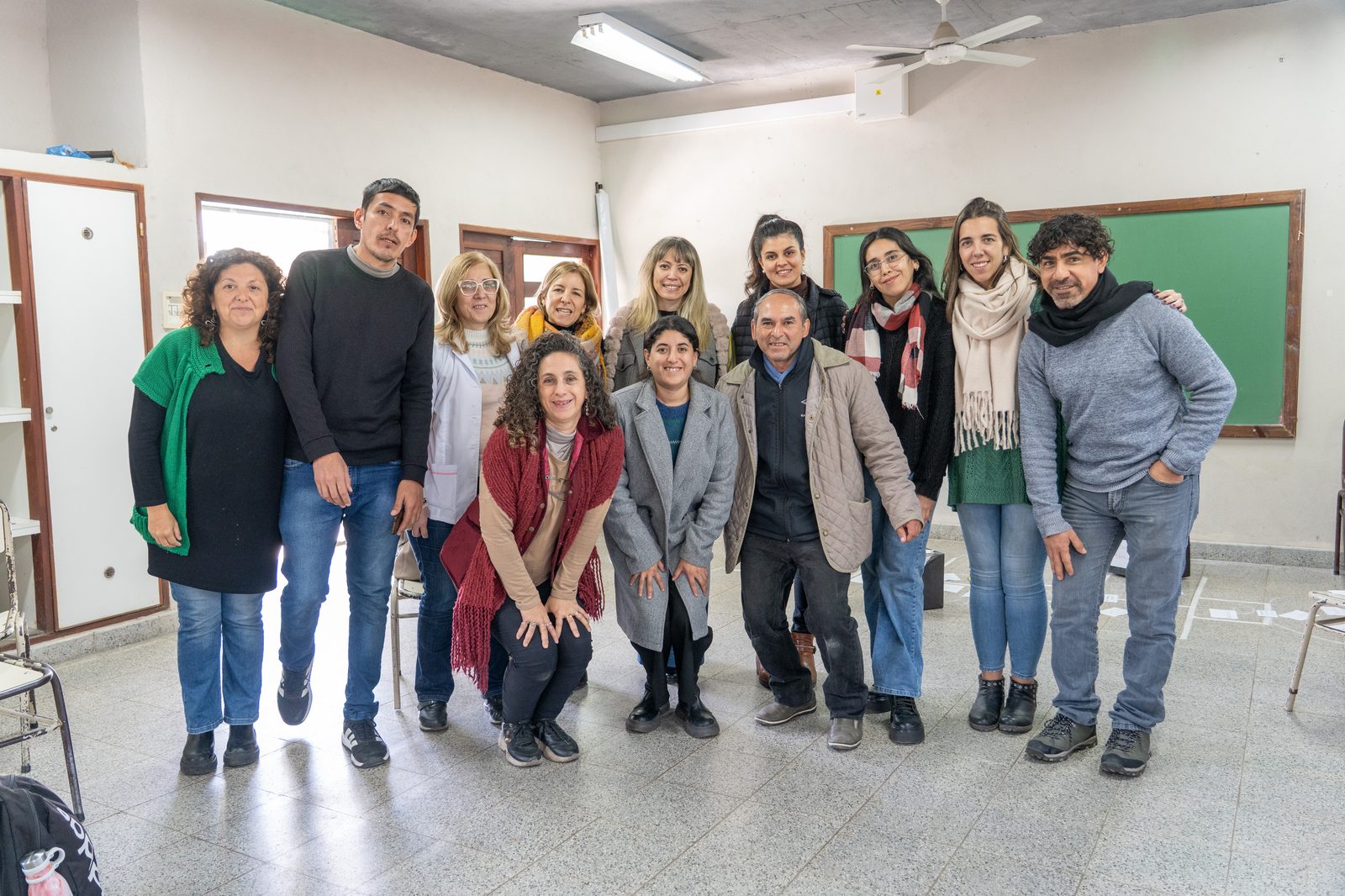
- Formation and monthly operation of an intersectoral table articulating health, education, justice and community organizations.
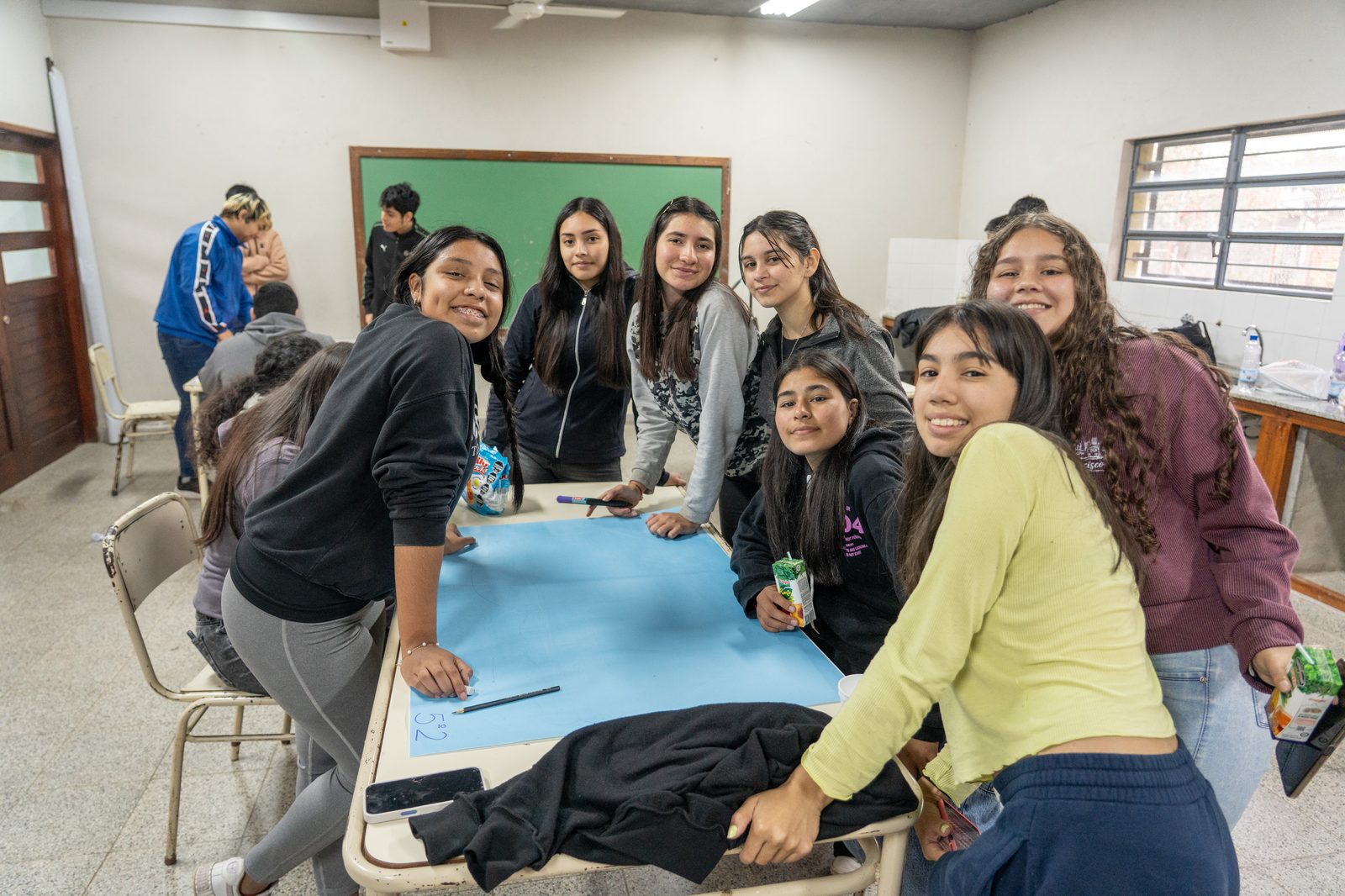
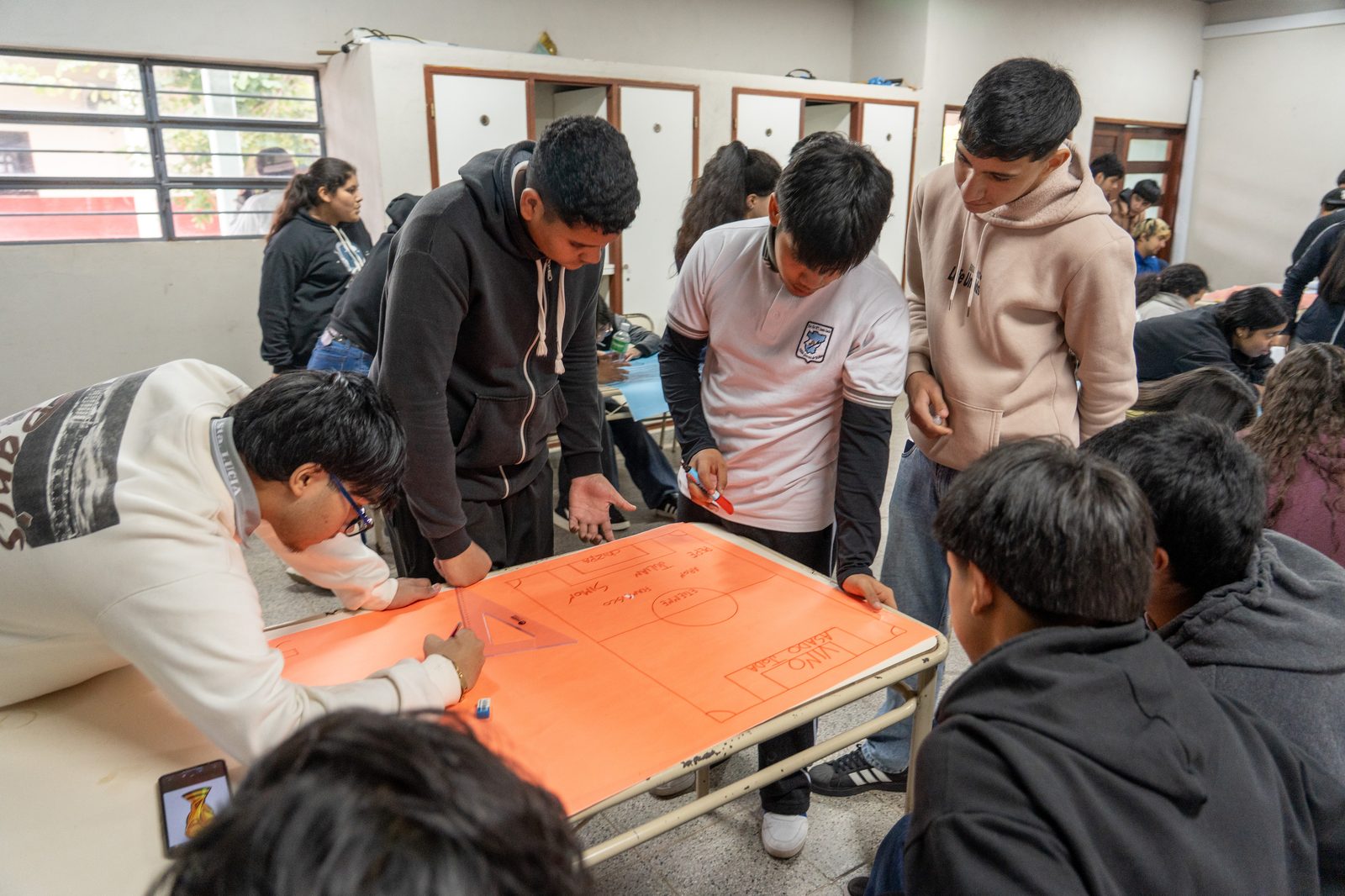
- Participatory workshops with adolescents from Santa Lucía using popular education and communication tools, so young people themselves build messages to engage peers on mental health.
- Participatory diagnosis with adolescents to identify needs, interests and risk factors from their own perspective.
- Development of first-listening tools, peer work and teacher training.
- Articulation with clinical services of Hospital Santa Lucía for more complex situations.
- Rigorous systematization from the start, oriented to transferring the model to other provinces and countries in the region.
- Presentation of results at a mental health congress (August 2025).
Target Group
Adolescents from Santa Lucía, Monteros Department, Tucumán. Special emphasis on school-aged youth with early work, social vulnerability and limited access to mental health services.
Partners and Counterparts
Implementing organization: DYA Argentina — Desarrollo y Autogestión.
Main ally: Ministry of Health of the Province of Tucumán — General Directorate of Mental Health / SIPROSA.
Institutions in the intersectoral table: Hospital de Santa Lucía — Mental Health Team, Escuela Técnica Hilda Guerrero de Molina, Colegio María de la Esperanza, Biblioteca Popular de Santa Lucía, Directorate of Childhood, Adolescence and Family, Public Prosecutor's Office.
Financing Organizations
Luxembourg Cooperation / NPNP
Highlighted Results
- A community mental health device for adolescents designed participatively, with methodologies validated in the territory and adapted to Santa Lucía.
- A consolidated intersectoral table sustaining health, education, justice and community actors beyond the project duration.
- Adolescents trained as peer mental health communicators and promoters, with their own tools and messages.
- Reduced barriers to mental health services through first listening, peer work and teacher training.
- Installed community capacity to sustain promotion and prevention beyond DYA and state agencies.
- A systematized, documented and transferable intervention model for similar contexts in Argentina and the region.