
Extracurricular Activities DYA – Artisteca
Ecuador
Objective
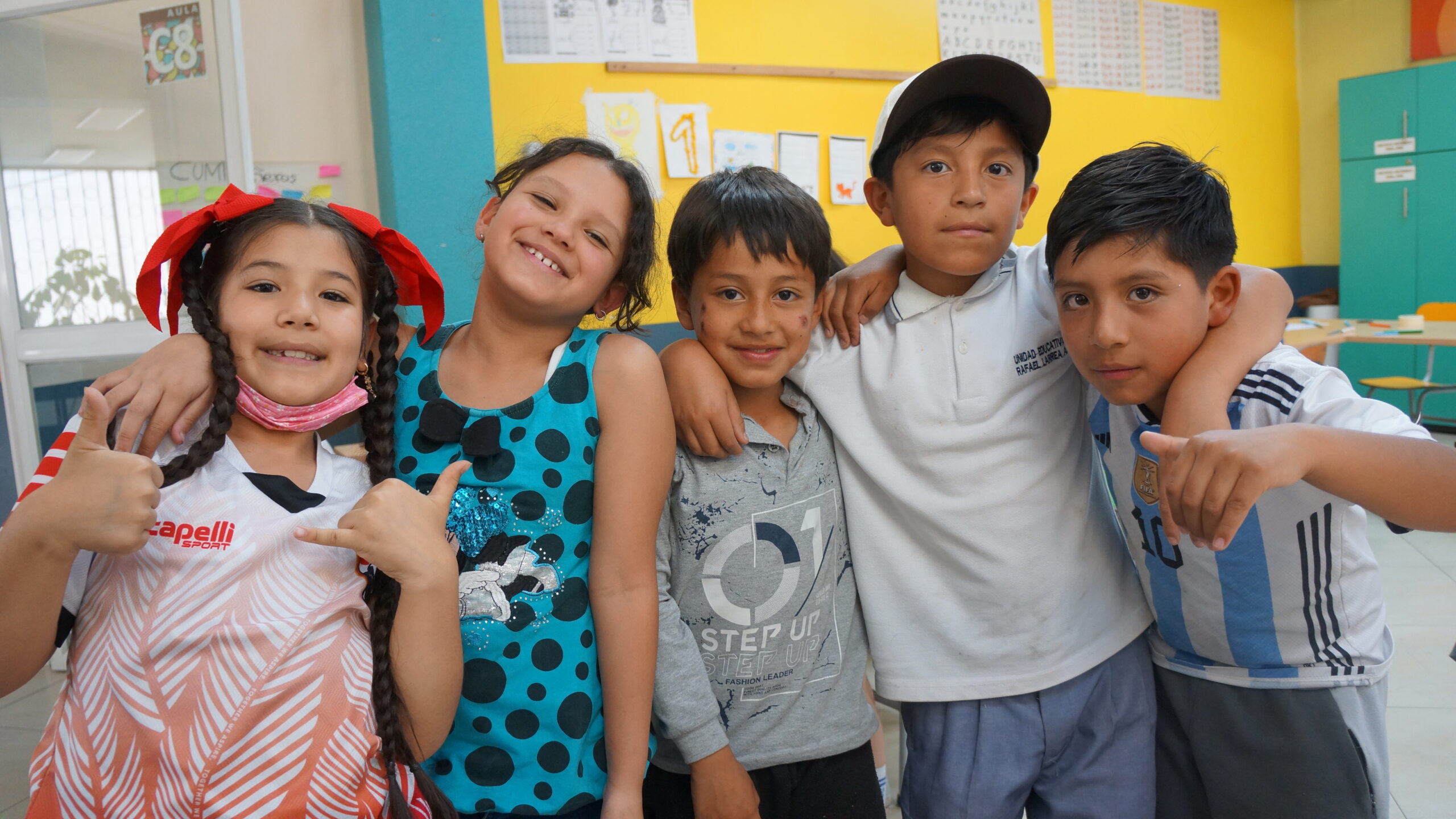
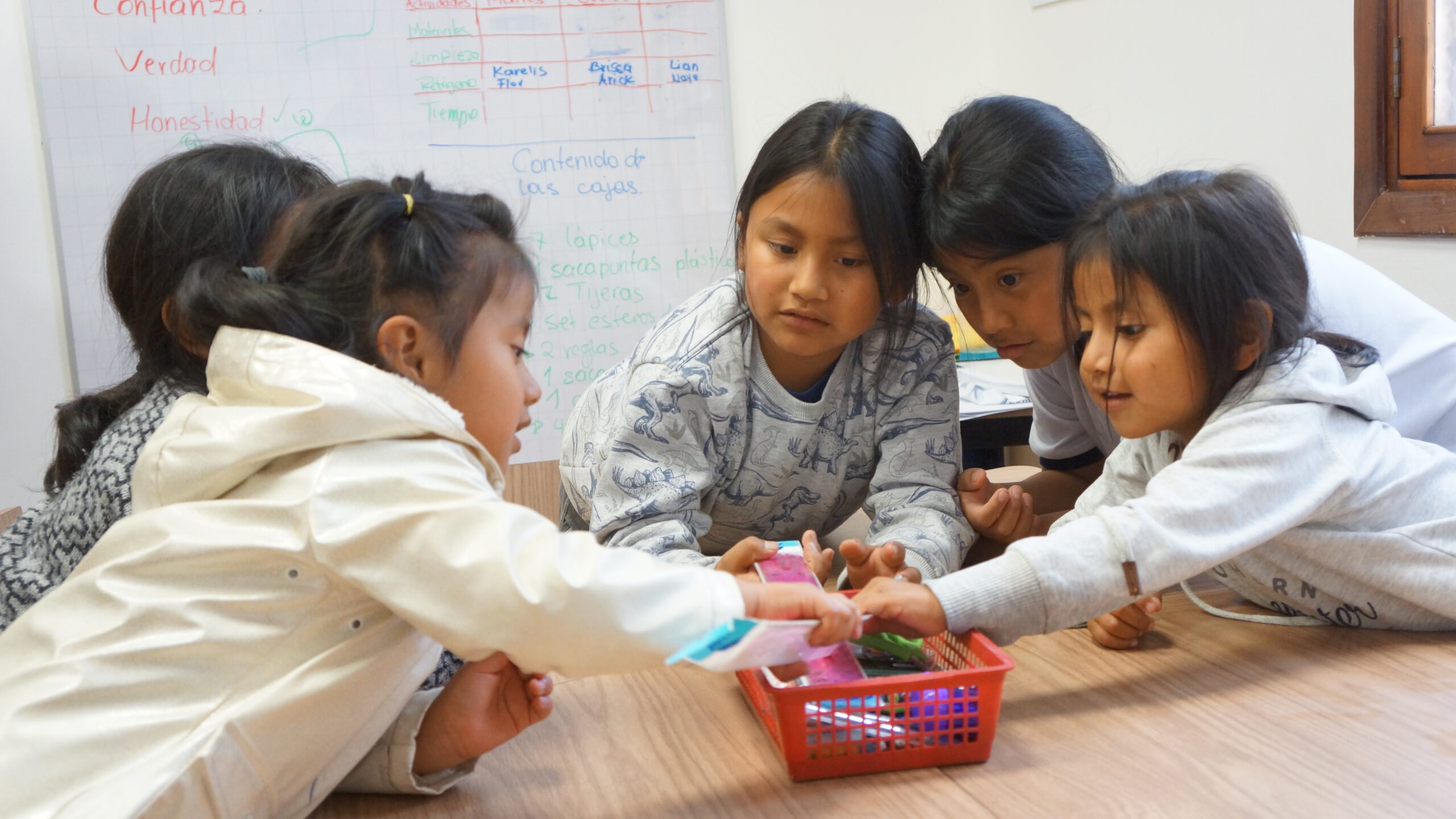
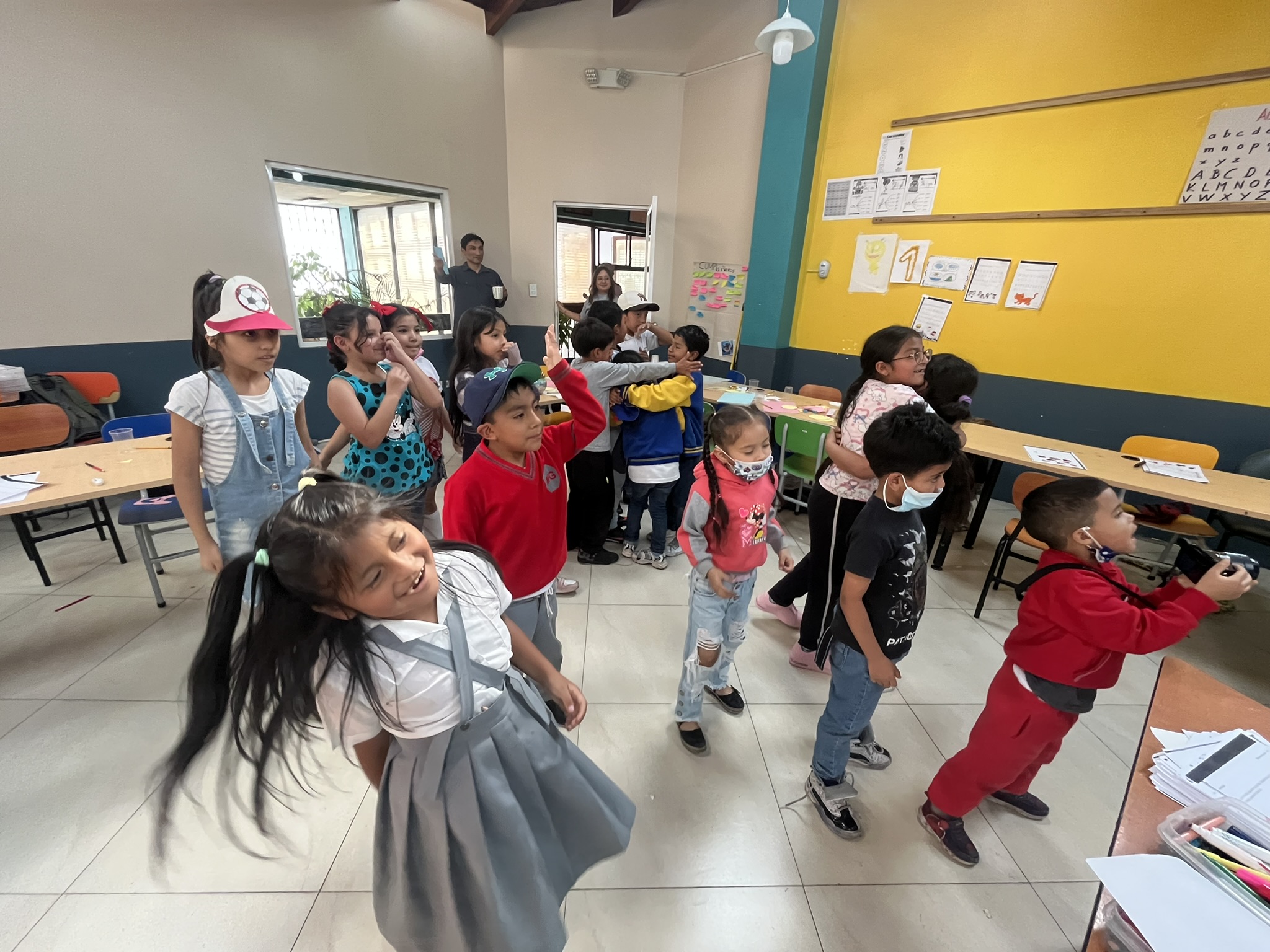
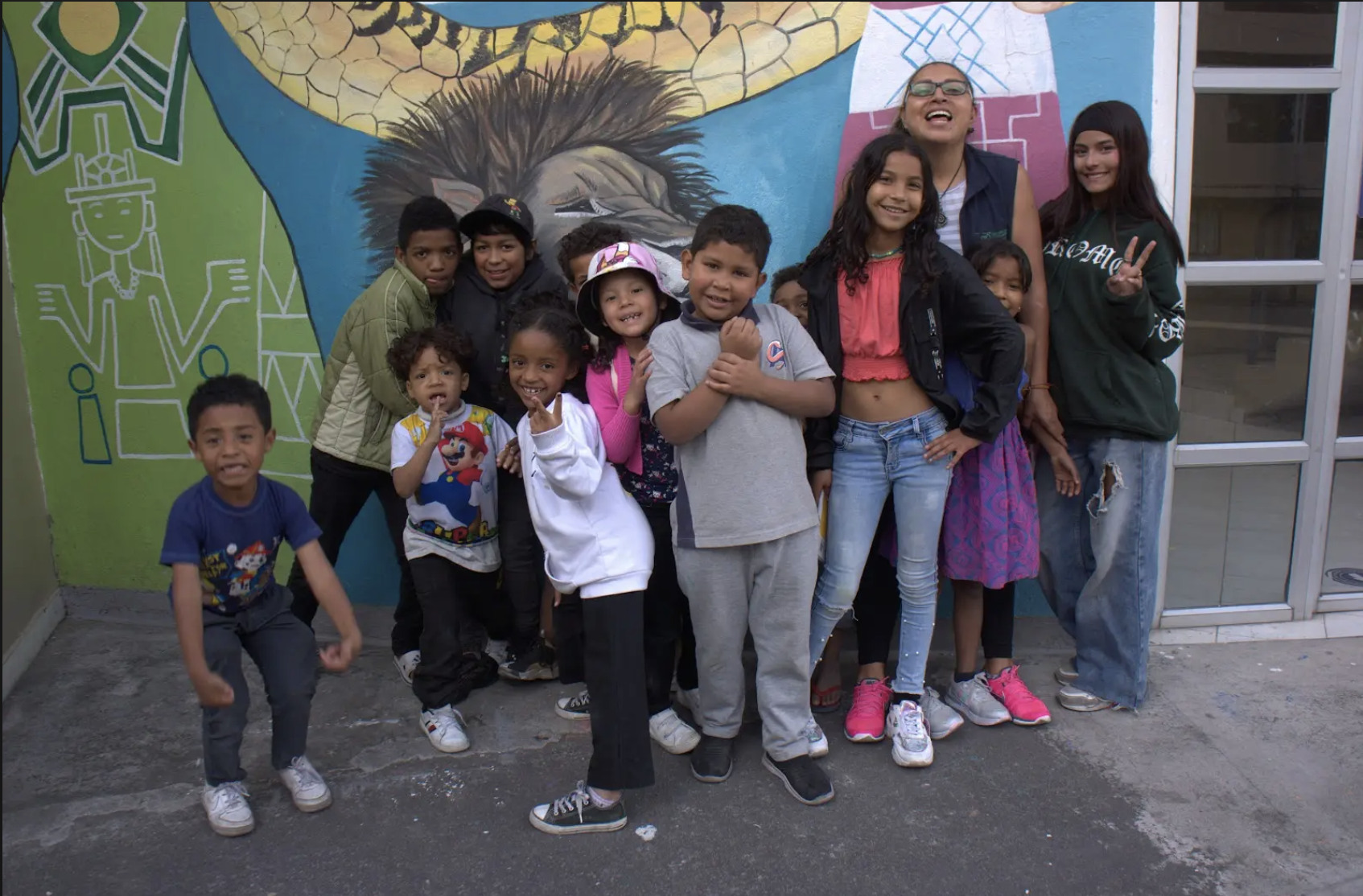
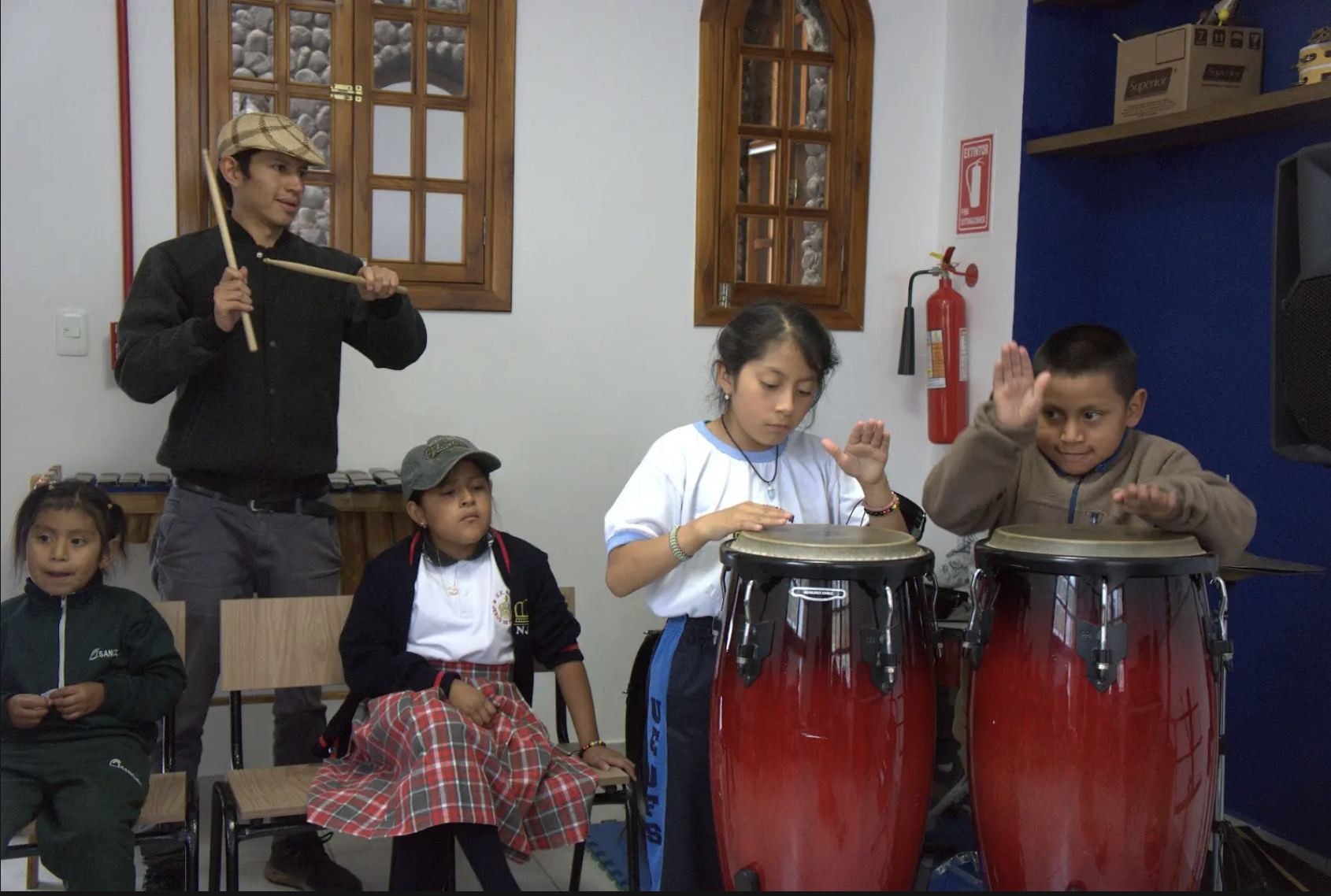
To offer children and adolescents linked to or at risk of being linked to child labor an extracurricular space to develop artistic and recreational activities that remove them from labor activities and strengthen their socio-emotional development.
Problem Statement
Child labor, begging, and domestic work (both inside and outside the home, carried out mainly by girls) that causes school dropout or poor academic performance.
Components and Activities
- Support with guided homework
- Work on topics using Extended Schedule methodology
- Artistic activities
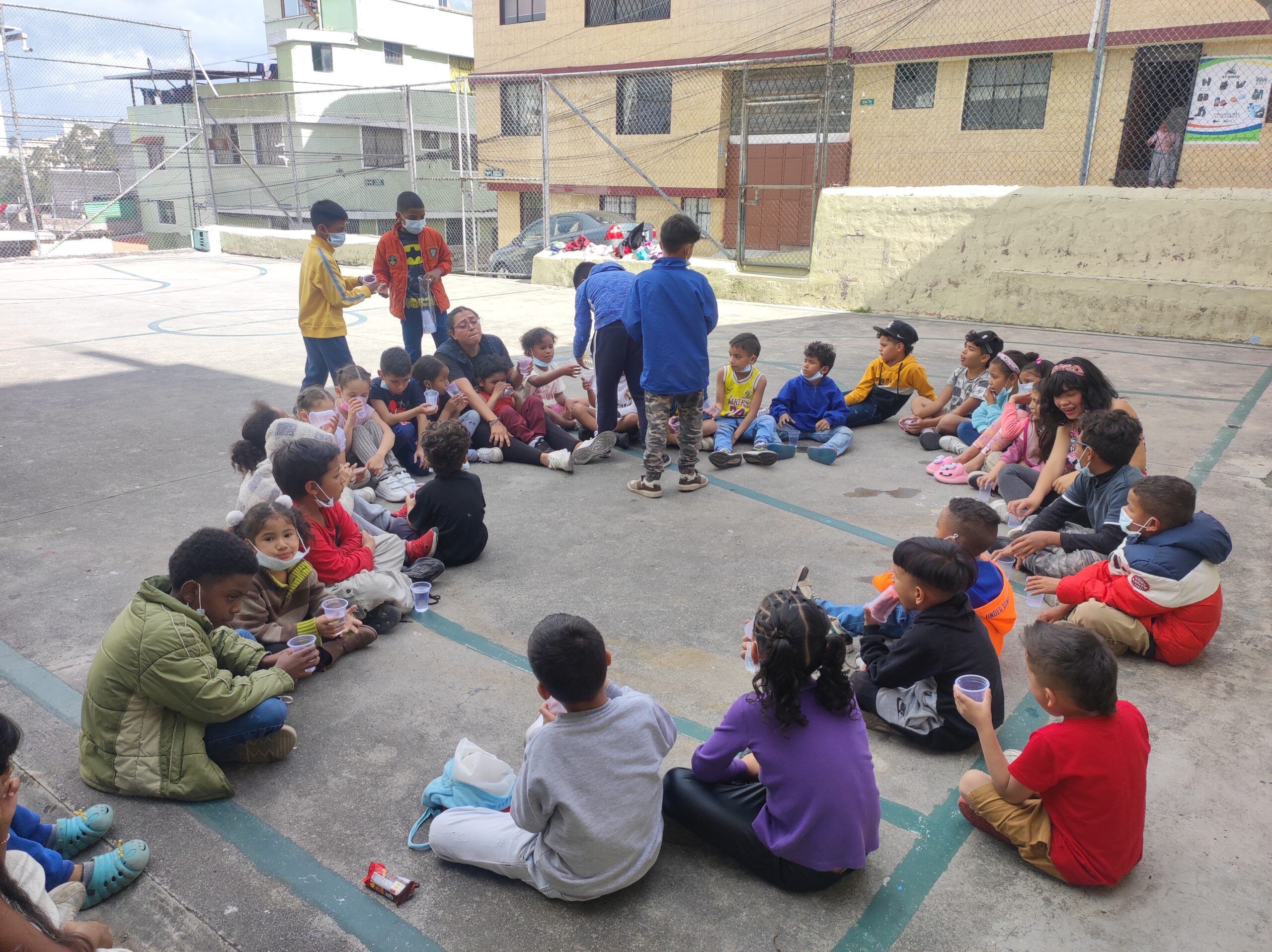
- Recreational activities
- Snack distribution
- Reinforcement and support in special cases of grade-level recovery
- Visits to educational institutions for school monitoring
- Home and workplace visits for family monitoring
Target Group
Children and adolescents linked to or at risk of being linked to child labor in the city of Quito.
Service Centers: Three service points: Artisteca Historic Center, Artisteca Mariscal, and Centro Cultural Comité del Pueblo.
Partners and Counterparts
Artisteca – CRISFE
Financing Organizations
Artisteca – CRISFE and DYA
Highlighted Results
- Reduction in child labor hours during the service periods at the ETI-DYA Artisteca centers.
- School enrollment of children and adolescents who had not studied for some years or never during their transit through various countries. Monitoring of adaptation and grade-level recovery processes.
- Formation of a consolidated group of children, adolescents, and families who live together as a community that sustains itself even outside the service space. It is linked to ETI-DYA educators through direct work and also to Artisteca teachers and administrative staff through the presence of children and adolescents in the service space.
- Development of talents and artistic skills thanks to the accompaniment of Artisteca teachers.
- Involvement of families in the community generated by each service center.
- Visibility in educational institutions near the service centers that have referred children and adolescents for support with guided homework, especially for language and literacy problems.
DYA work lines
Educational inclusion and occupational technical trainingRights protection and promotion
Technical descriptors
Child and adolescent protectionChild laborEducation