
Educational Inclusion and Protection of Adolescent Mothers
Ecuador
Objective
General Objective: To guarantee the inclusion, permanence, and educational continuity of adolescent mothers and/or pregnant adolescents in Monte Sinaí through psychosocial accompaniment, protection, the promotion of their rights, and the development of their life projects in conditions of equity, safety, and dignity.
Specific Objectives:
- Strengthen support mechanisms for education in Monte Sinaí through flexible and adapted strategies that promote reintegration, permanence, and school completion of pregnant and adolescent mothers.
- Provide comprehensive psychosocial and emotional accompaniment to pregnant and adolescent mothers through safe and containing spaces that promote their well-being, strengthen their self-esteem, and favor the building of a life project.
- Coordinate local health, protection, and childcare services in Monte Sinaí, generating comprehensive responses to the specific needs of adolescents and their children, allowing them to reconcile maternal care with their educational trajectory.
Problem Statement
In Ecuador, during 2022 there were 53,847 pregnancies in girls and adolescents, of which 3,386 corresponded to girls aged 10 to 14 years, and 50,461 to adolescents aged 15 to 19 years, according to data from the Ministry of Public Health. In Monte Sinaí, according to information gathered by DYA, 34.5% of pregnant women attended are adolescents.
Adolescents who become mothers face multiple barriers to continuing their education. Among these is the difficulty in balancing childcare tasks with school demands, which affects their attendance, permanence, and academic performance. This is compounded by the social stigma that typically accompanies adolescent pregnancy, creating situations of discrimination and rejection that negatively impact their self-esteem and educational participation.
On the other hand, economic pressure forces many of them to work to support their children, which further reduces their availability to attend classes. The lack of emotional support networks and childcare also represents an important obstacle to their educational access and continuity. Finally, educational units lack clear strategies for inclusion and permanence for pregnant or adolescent mothers, which perpetuates their exclusion from the education system.
Components and Activities
Component 1: Pedagogical support for inclusion and educational continuity
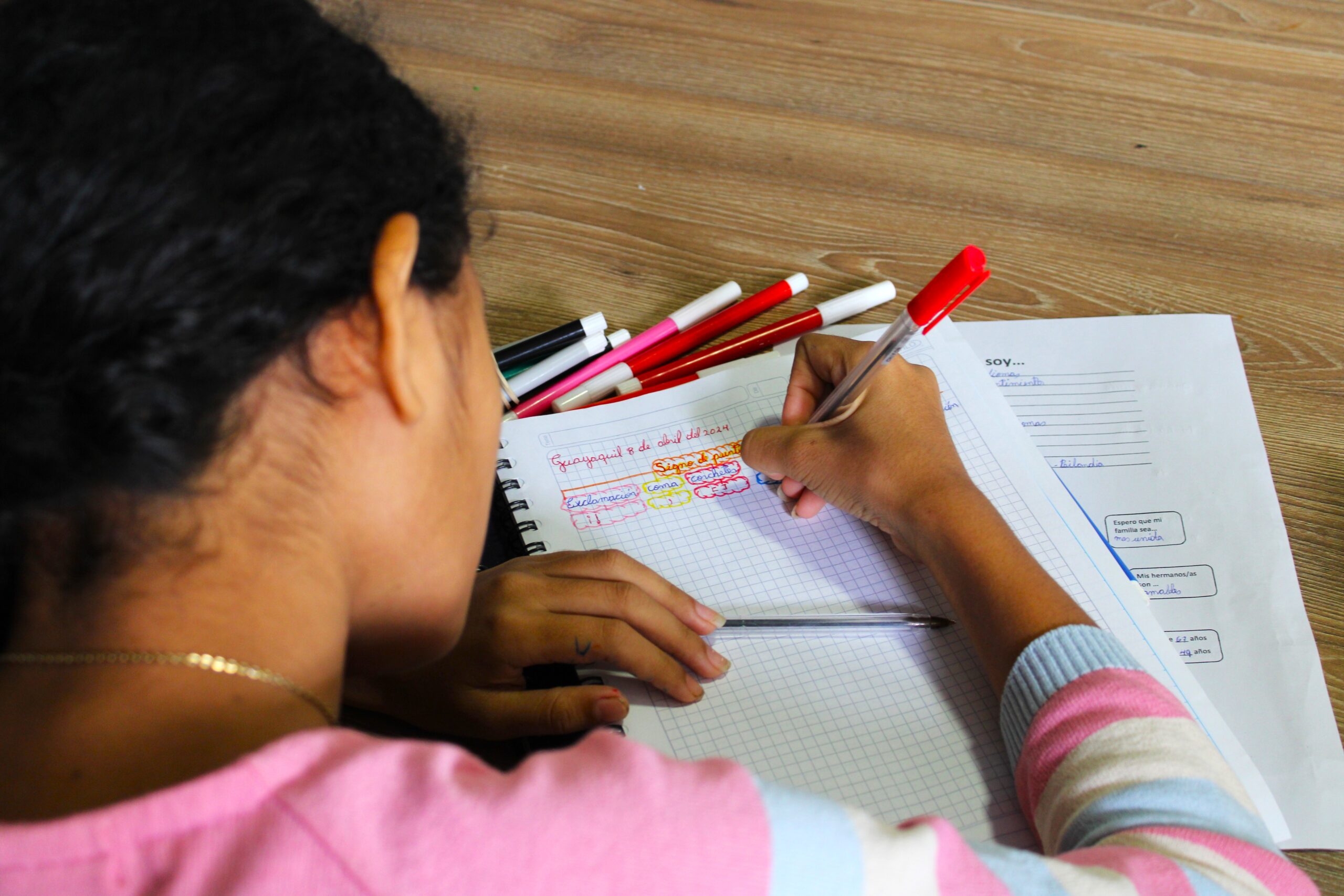
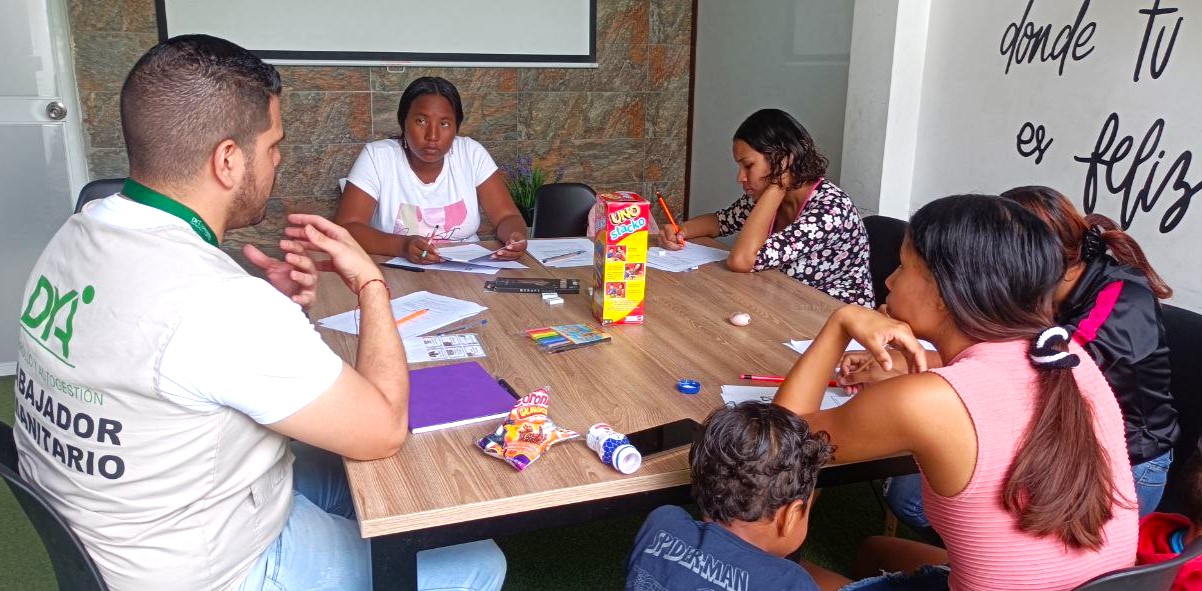
Seeks to ensure the reintegration and permanence of adolescent mothers and/or pregnant adolescents in the education system through flexible, personalized, and inclusive strategies that respond to their needs. It includes school support tutoring, coordination with schools for educational inclusion in adapted modalities, and continuous monitoring of their educational trajectory.
Component 2: Psychosocial and psycho-emotional accompaniment
Promotes emotional well-being of adolescents through individual psychological care, group containment spaces, and workshops that strengthen self-esteem, leadership, decision-making, and life projects in a safe and supportive environment.
Component 3: Health services and childcare
Guarantees access to sexual and reproductive health services, prenatal and postnatal medical care, as well as childcare spaces. It coordinates with the health system and provides support so adolescents can continue their education without neglecting their health or that of their children.
Target Group
Adolescent mothers and/or pregnant adolescents in Monte Sinaí, Guayaquil.
Partners and Counterparts
Development and Self-Management – DYA
Financing Organizations
Development and Self-Management – DYA
Highlighted Results
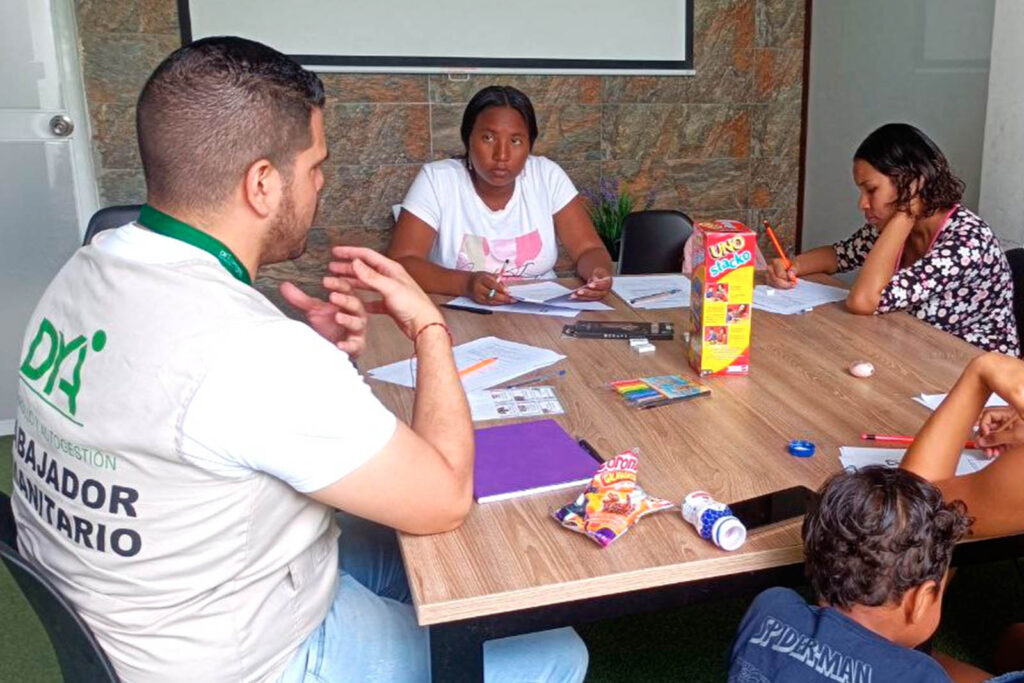
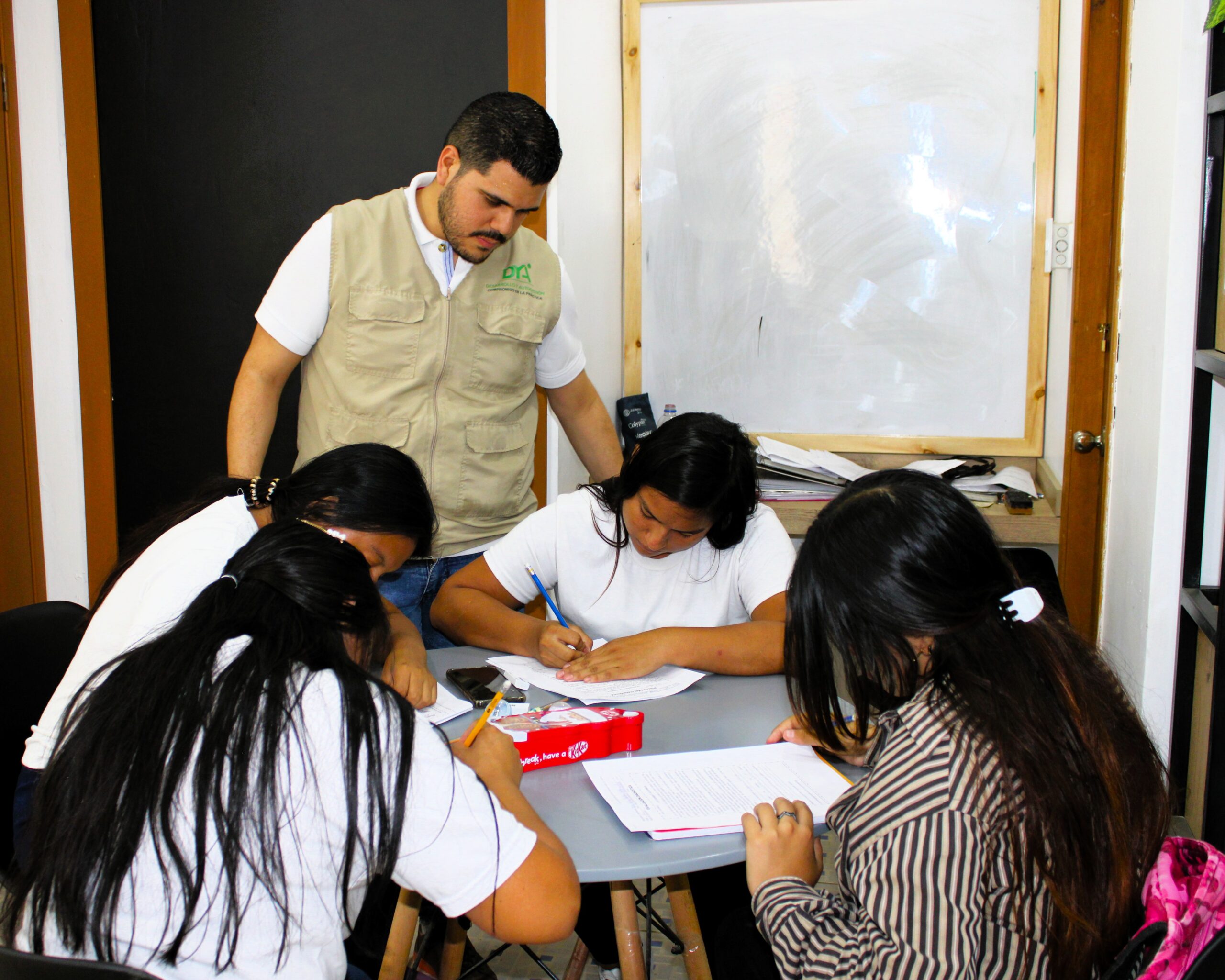
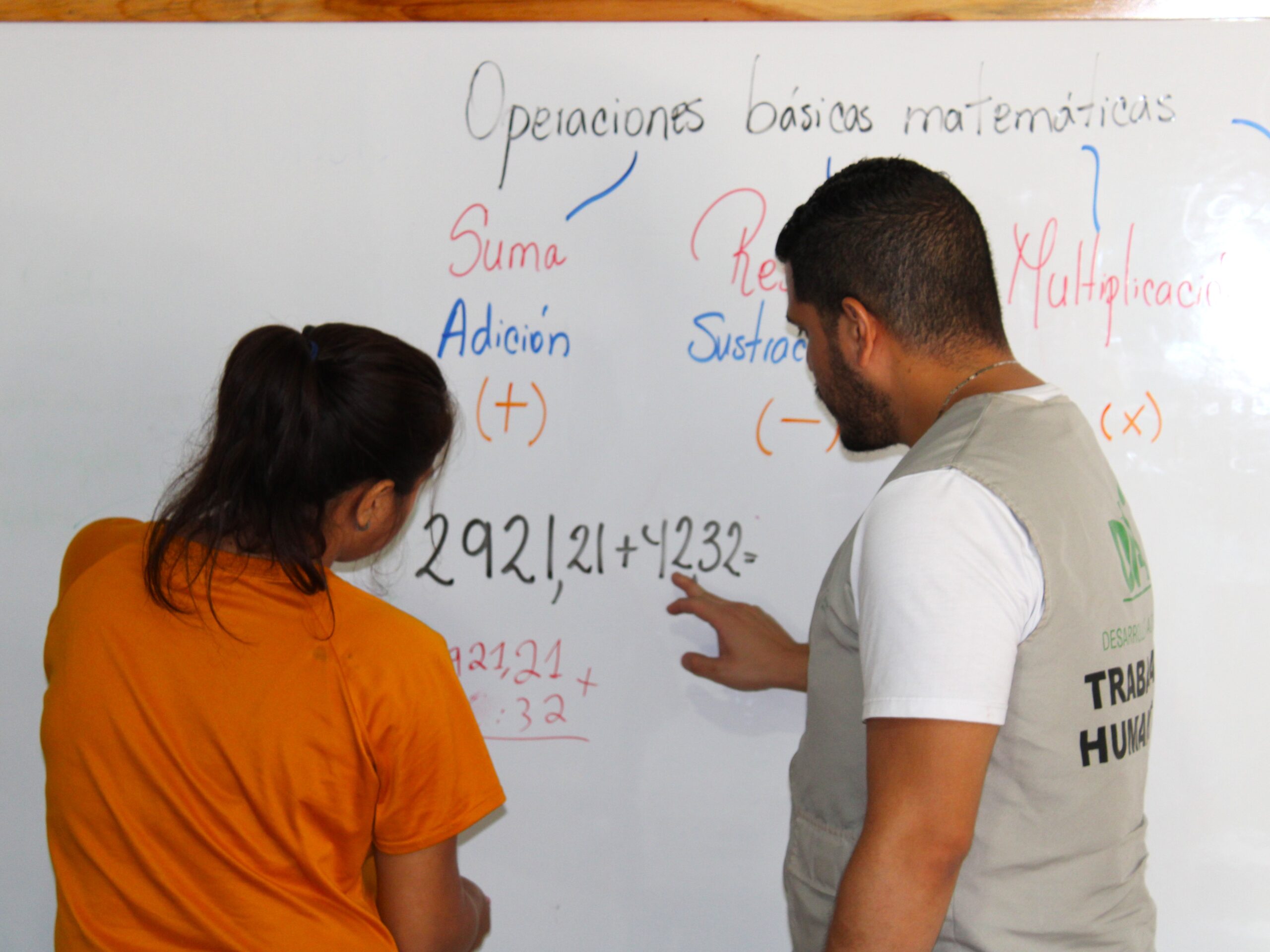
- Formative sessions were developed focused on school reinforcement, with emphasis on strengthening skills in language and mathematics.
- A childcare room was established as an integral part of the intervention model, which allowed continuous participation of adolescents in educational activities without neglecting care for their children.
- The project provided direct care to 15 adolescent mothers and/or pregnant adolescents, promoting their comprehensive well-being and educational continuity.
- 10 boys and girls accessed childcare and protection services while their mothers participated in formative activities.
- Effective educational inclusion of 14 adolescents was achieved, who reintegrated into the formal school system.
- 5 psycho-emotional meetings were held, creating safe spaces for containment, active listening, and strengthening emotional well-being.