Aristóbulo del Valle takes its first step toward digital citizenship
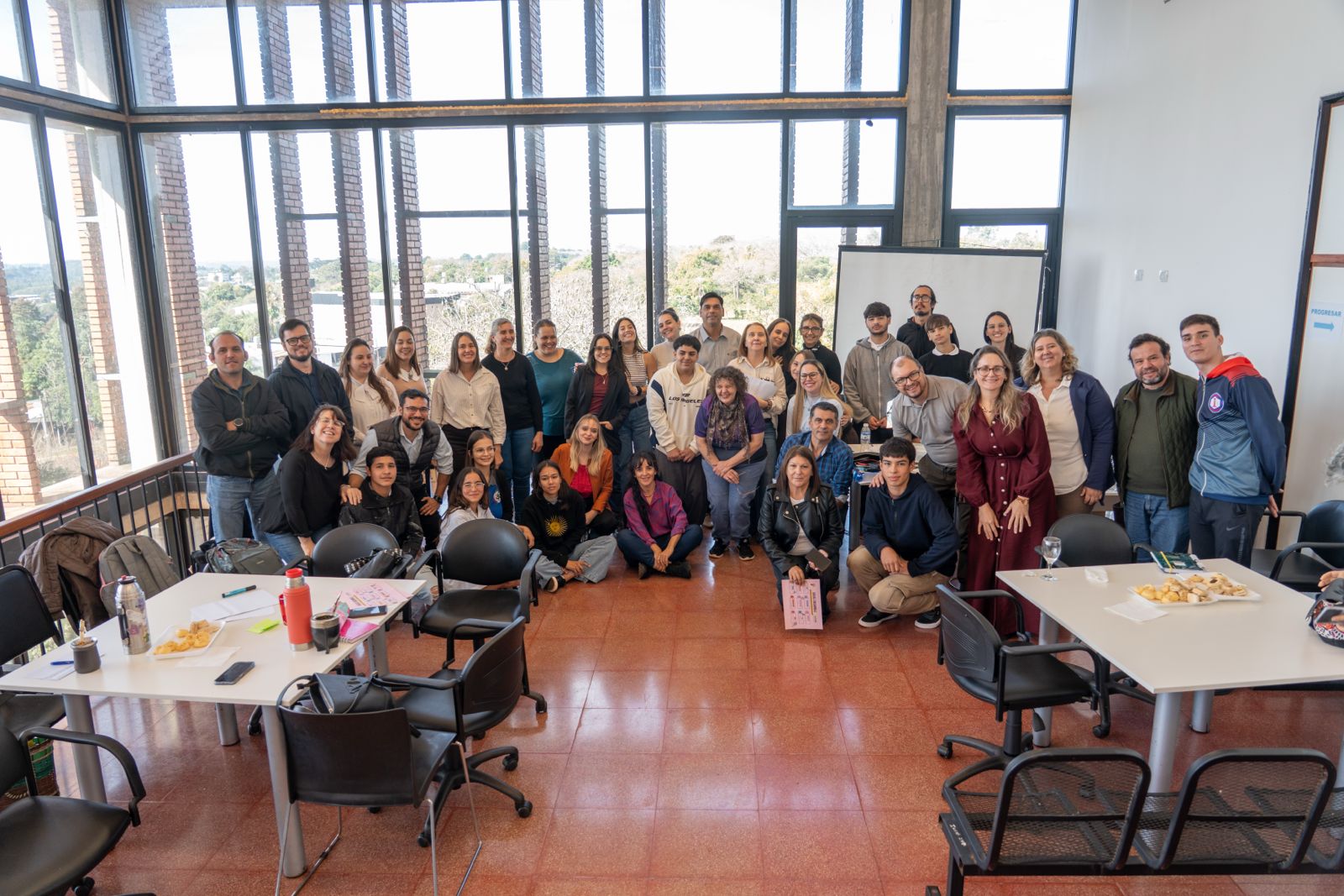
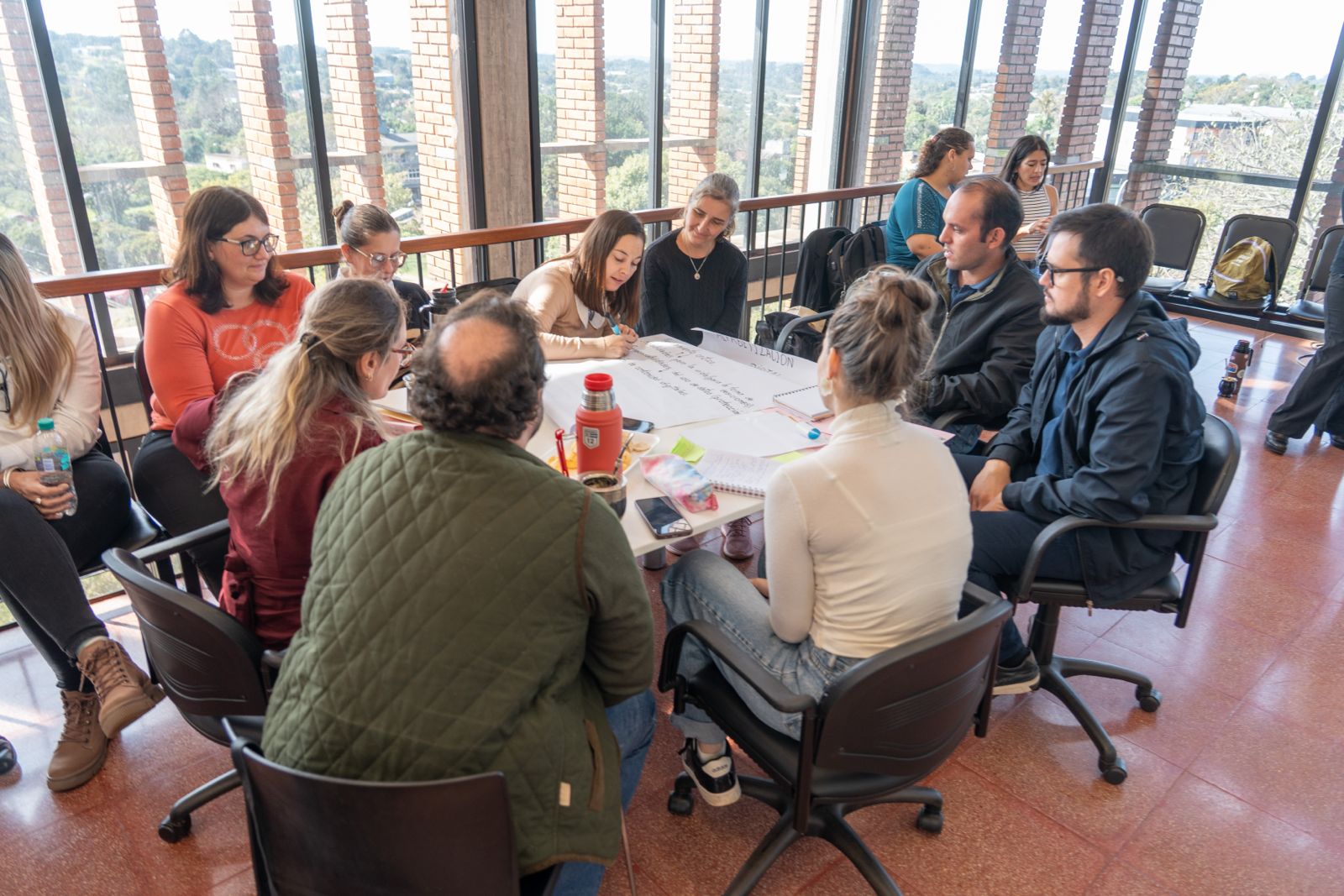
This week Aristóbulo del Valle was the setting for a session of collective work: actors from education, research, civil society and local government sat down together to think about what it really means to educate in and for the digital world in this territory. The first design workshop for the literacy tool, organized by DYA —Desarrollo y Autogestión— within the framework of the project Digital Literacy with Rights, formally launched the collective construction process that will culminate in December with a methodological proposal of its own, built from the community and for the young people of Aristóbulo.
The session brought together representatives of the Municipality, school principals, teachers and students from secondary schools and teacher-training colleges, researchers from UNaM, the Don Moncho Closs Foundation and the DYA team.
The workshop was facilitated by Cielo Linares, Pedagogical Coordinator of the School of Innovation, and in this first stage focused on identifying the actors involved and mapping perspectives on the digital challenge in the municipality. "The first impression was that this is an issue already on the agenda; we are not out of step in thinking about digital literacy, it is something the community has already been feeling as necessary," said Linares. The day also opened a central question that will guide the upcoming workshops: does digital literacy mean that adolescents can handle the tools, or that they can be critical and reflective in using them? The participants' answer pointed in a clear direction: digital citizenship.
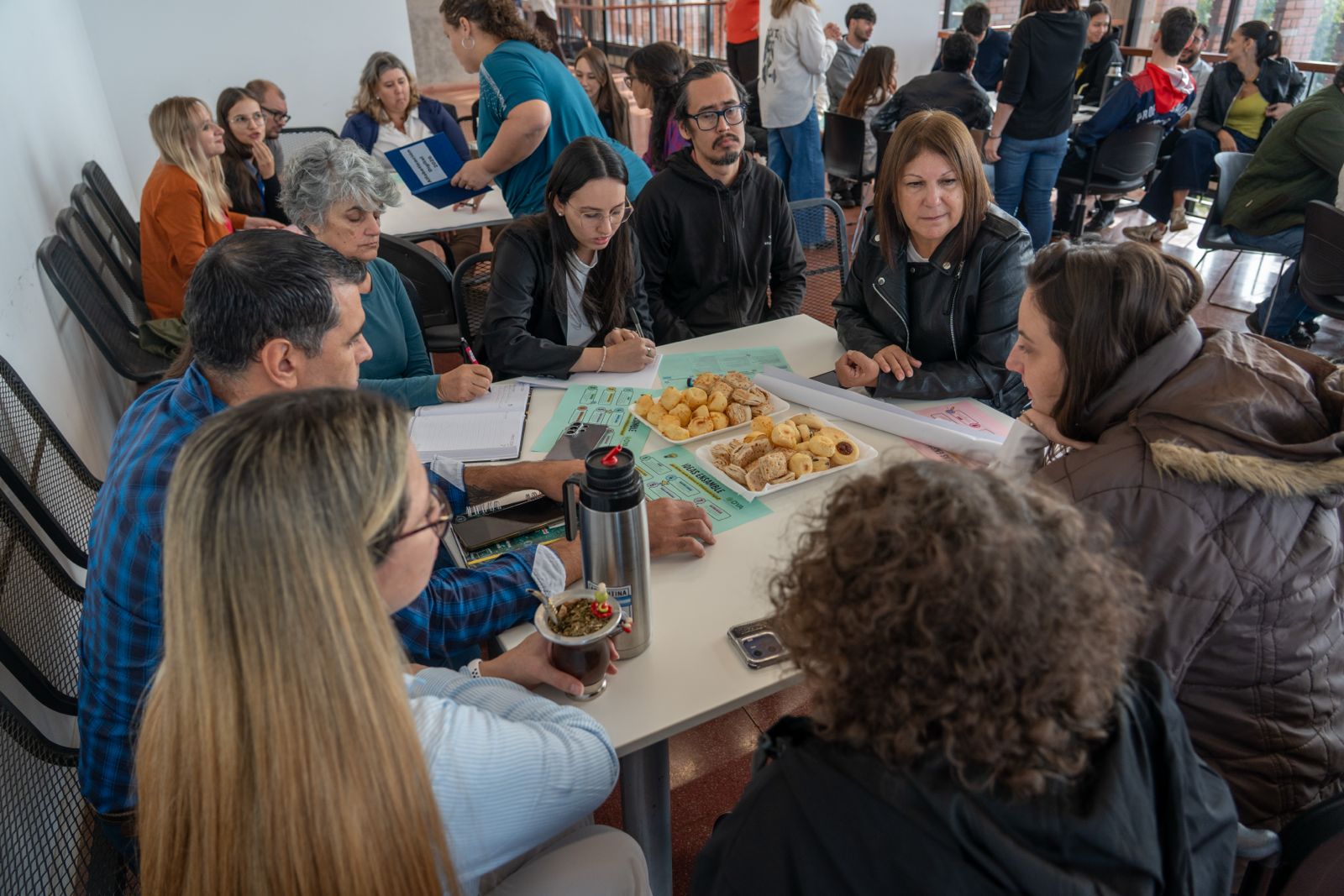
From the Municipality of Aristóbulo del Valle, Andrea Fontana, head of the education area, welcomed the space for coordination that was achieved: "it was a day in which many institutions were able to come together to work and think as one. It is joint work, where the focus is on being able to accompany and stand alongside the young people of our town." The municipality has been identifying the digital divide as a concrete problem among local adolescents, and is betting on this project as a coordinated response between local government, academia and civil society.
The research component will be led by the team of the Institute of Social and Human Studies (CONICET–UNaM), through a project directed by Dr. Rosaura Barrios, who explained that the aim is to generate accurate data on how young people in Misiones use mobile devices —including exposure to risks such as grooming, gambling and the online recruitment of minors— in order to inform public policy decisions and social intervention. "The main strength is a university that is present in the territory and that designs intervention strategies that are appropriate and grounded in their contexts. In our case, with the particularities of Misiones as a border province," Barrios stressed.
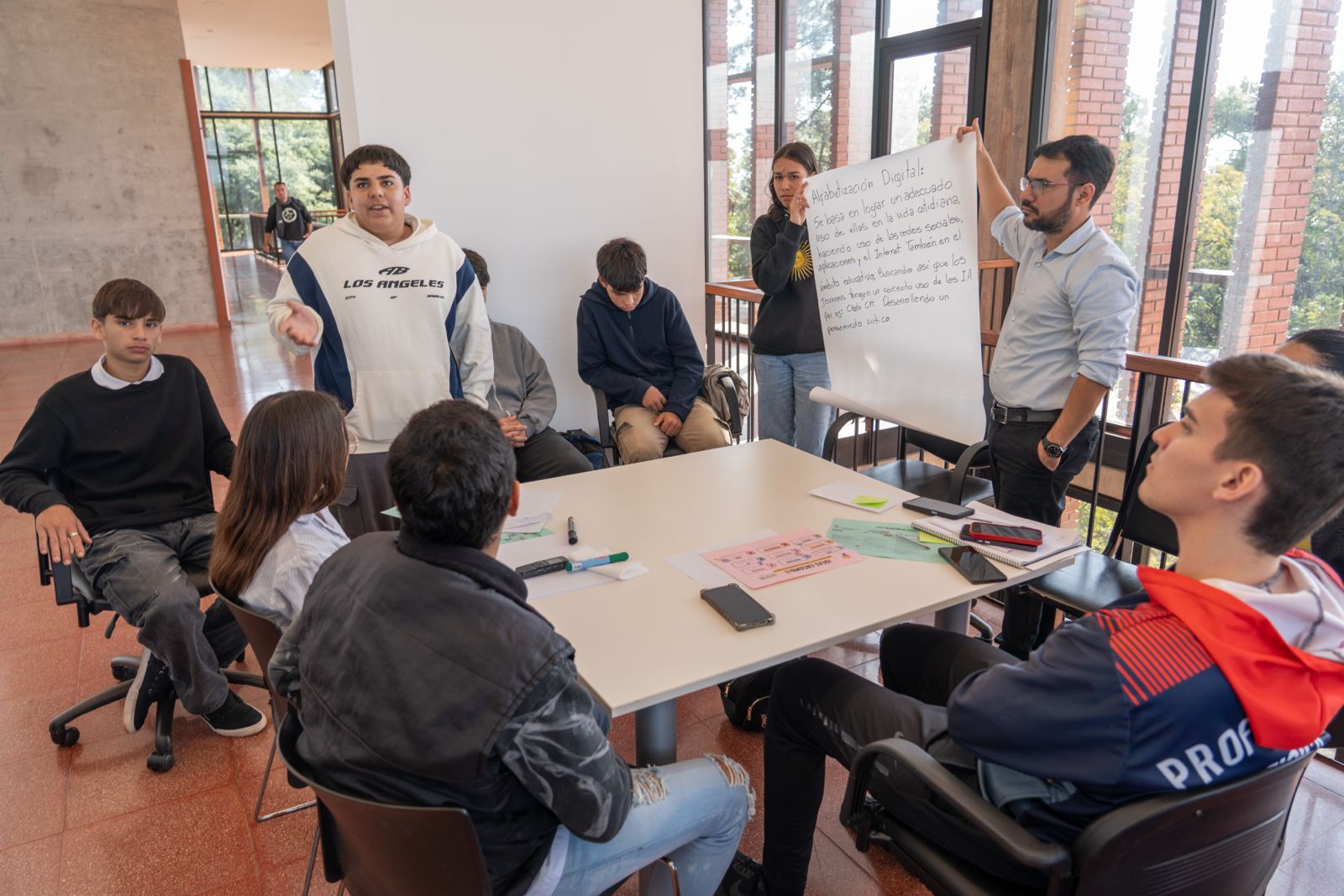
The process will run until December 2026 through participatory workshops, piloting in secondary schools of different profiles, and the systematization of results. By the end of the year, the municipality will have a transferable methodological document that can be replicated in other schools across the province in 2027. The project is carried out within the framework of a program financed by Luxembourg Cooperation through N-PNP, and consolidates the work DYA has been developing in Misiones for years around educational inclusion and the prevention of child labor.