
Tramas weaves its first ties: intersectoral work begins for adolescent mental health in Santa Lucía
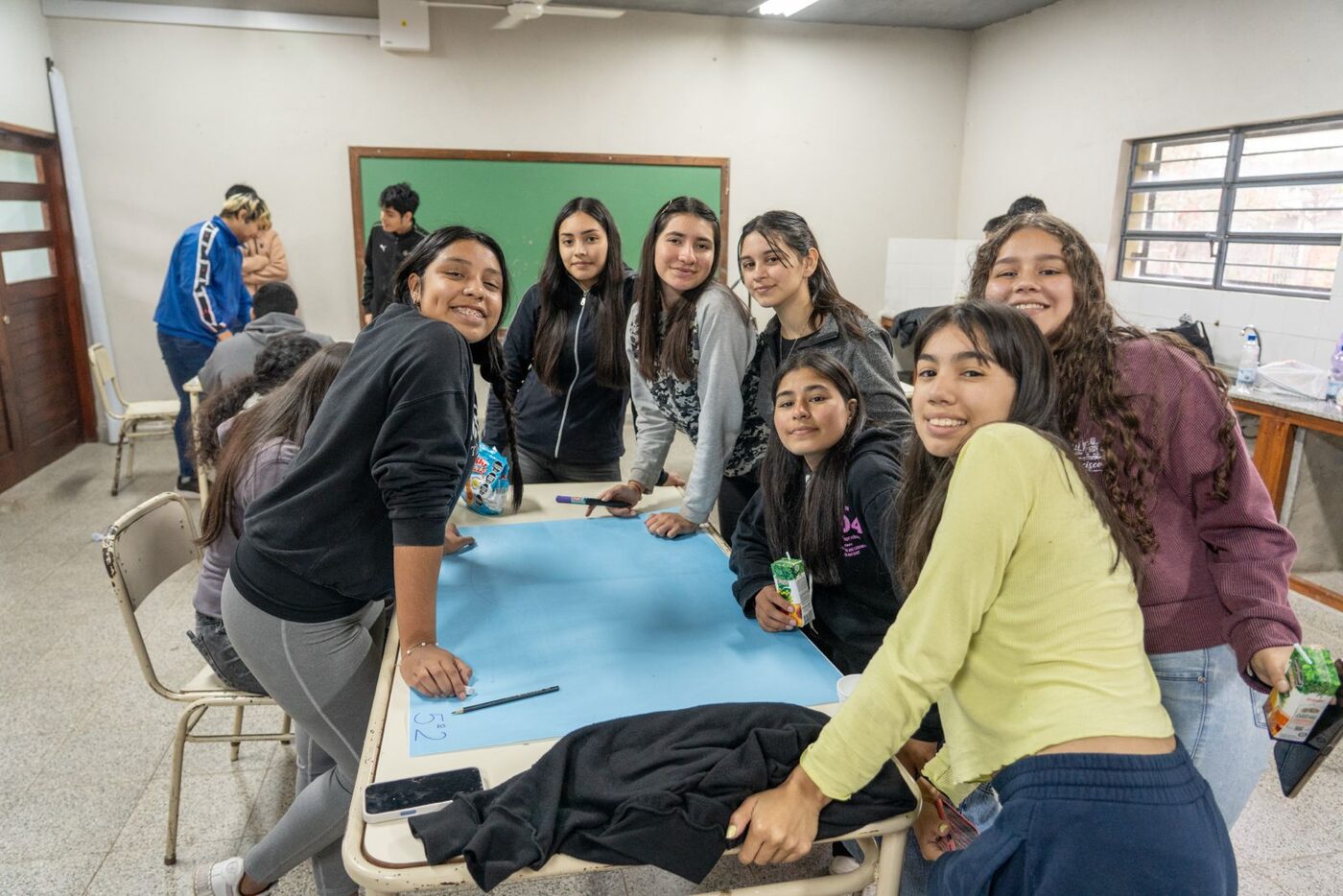
Teachers, health professionals, and community leaders met for the first time through the Tramas Project to reflect together on how to better support adolescents in Santa Lucía. That same day, more than 60 students brought their own voices into the start of the process.
This week, the Tramas Project: Strengthening the Social Fabric began to take shape in the territory. Within the framework of the agreement signed in April between DYA Argentina and the Ministry of Health of Tucumán province, the first working session of the intersectoral table was held. The table brings together DYA's technical team, SIPROSA -the Provincial Health System-, the mental health team of the Santa Lucía Hospital, the Hilda Guerrero de Molina Technical School, the Santa Lucía Popular Library, María de la Esperanza School, the Directorate for Children, Adolescents and Families, and the Public Prosecutor's Office.
The meeting was facilitated by Adrián Barón, an educator specialized in popular education, and focused on a collective reflection on what it means to be an adolescent in Santa Lucía today and what adults with institutional responsibility can do together to better support them.
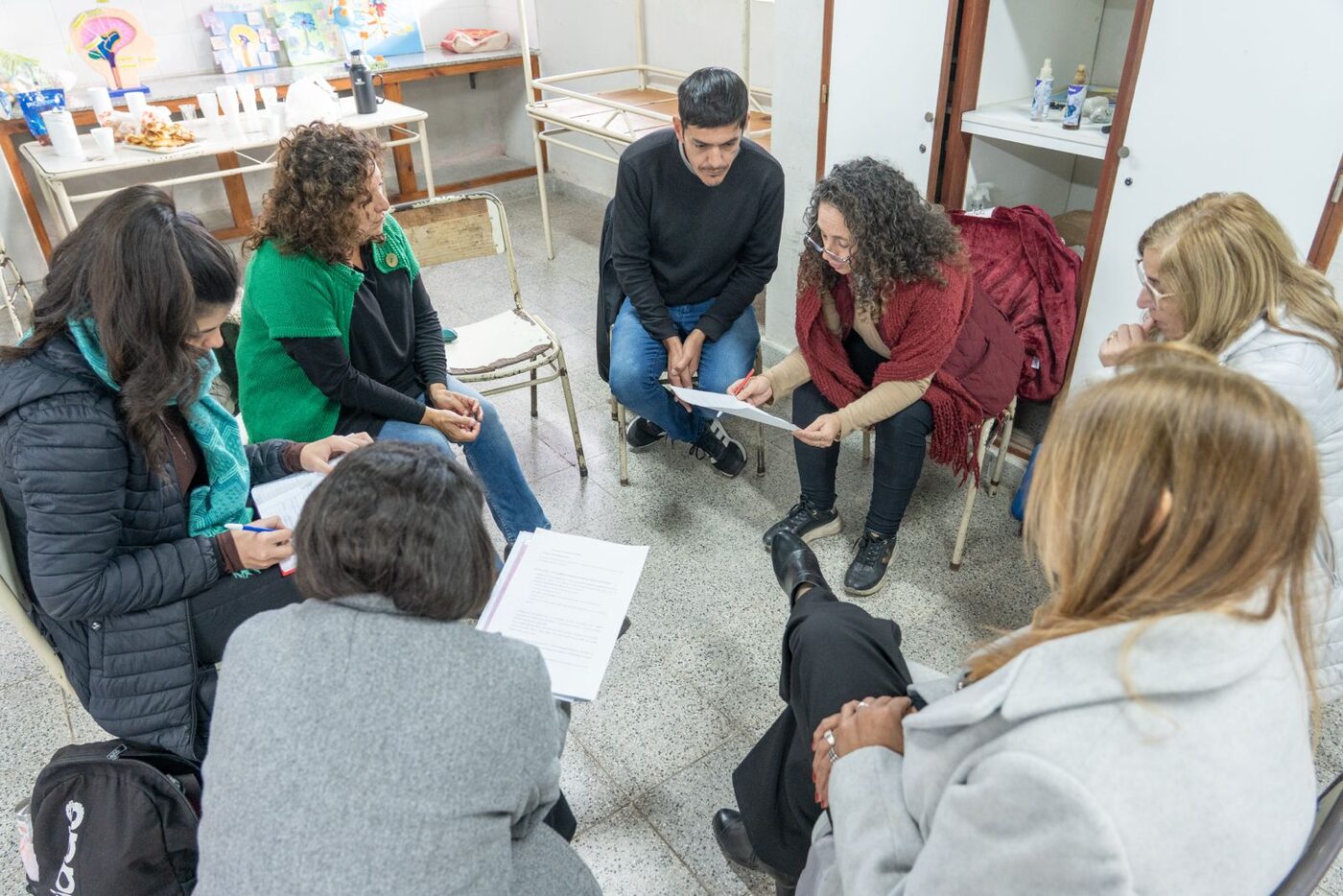
The atmosphere of the first meeting was encouraging. Barón highlighted the commitment of those who participated: "what we saw were adults concerned about the issue, eager to do things. They are not in a place of catharsis and passivity. They came willing to exchange, to dialogue, and with a strong desire to think about something they can do."
Vanessa Cordero, a SIPROSA psychologist, emphasized the horizon guiding the process: "the great aspiration is to generate installed community capacity that remains in the territory beyond the actors who pass through it. A community that is friendly to adolescents." The table will meet monthly throughout the year, bringing together different perspectives and building concrete tools to address mental health risk factors through a promotion and prevention approach.
That same day, as part of the session, more than 60 students from the Hilda Guerrero de Molina Technical School took part in the project's first workshop with adolescents. Through playful dynamics and popular communication tools, the young people shared their tastes, interests, and the activities that define their daily lives in Santa Lucía: an initial listening process that will become a key input for the work of the table.
Tramas is based on the idea that adolescents themselves, month by month and in parallel with the intersectoral meetings, will use communication to create messages that speak to their peers about mental health. Betina Castro, DYA Tucumán's territorial coordinator, summarized it clearly: "the idea is for the young people to give us the fabric and the words, with their language, their code, their own color, and their own way of communicating things."
The Tramas Project is part of the regional project Multisectoral Strengthening for the Rights of Children and Adolescents in Argentina, funded by Luxembourg cooperation through Nouvelle Pro Niños Pobres (NPNP). With five years of presence in Santa Lucía and more than 200 adolescents supported annually through its Youth Hubs, DYA enters this process with established relationships and one conviction: models that work are designed from within.