SERVIR – Emergency Response for Venezuelan Immigrants and Refugees
Peru
Objective
To provide services that enable timely access to health care and protection services against gender-based violence.
- Objective 1: Girls, boys, women and other people at risk are safe and receive support when they experience harm.
- Objective 2: Girls, boys, women and other people at risk obtain greater access to timely and quality medical care.
Problem Statement
Insufficient health services, perceived to a greater extent in the most vulnerable population, including the Venezuelan population. In addition, Venezuelan refugees and migrants have been severely affected by different types of violence since their entry into the country.
Components and Activities
Objective 1: Girls, boys, women and other people at risk are safe and receive support when they experience harm.
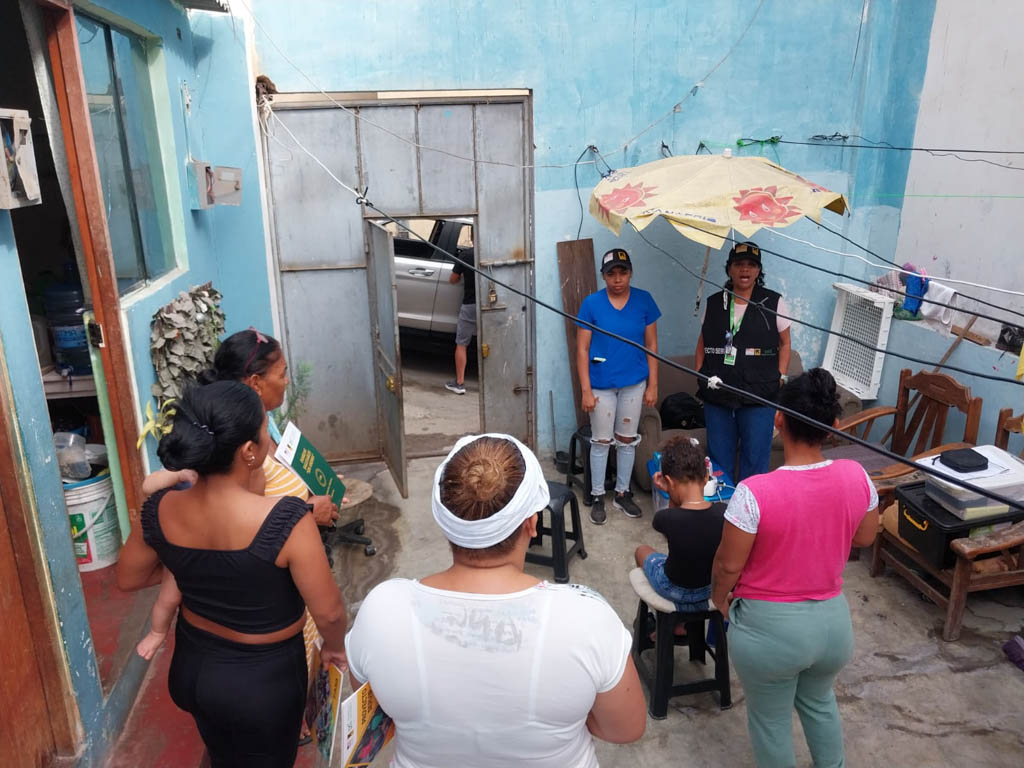
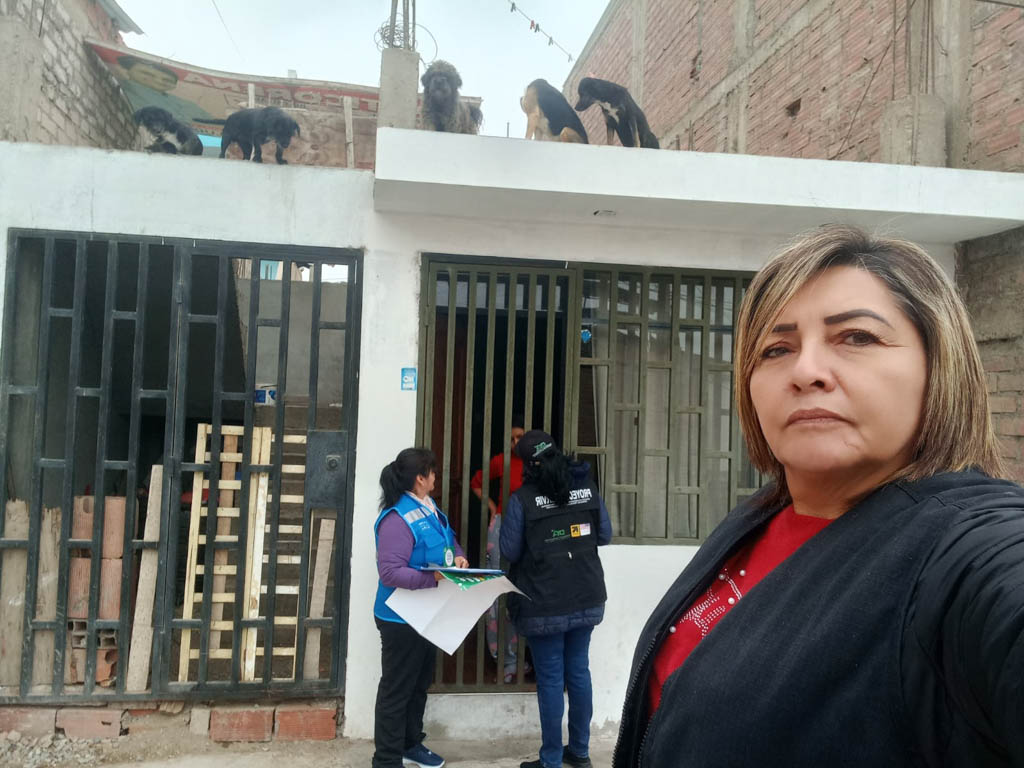
- Activity 1. Case Management: service directed at children and adolescents who are victims and/or at risk of Abuse (Violence), sexual abuse, child labor/begging, negligence, psychosocial distress, discrimination and xenophobia, as well as women survivors of gender-based violence.
- Activity 2. Dissemination of key messages on gender-based violence and child protection: Contents were designed and talks and materials were conducted and distributed via WhatsApp groups, covering the following topics: strategies developed by the project for addressing gender-based violence, self-care behaviors and reporting of gender-based violence, care pathways in state facilities, strengthening of child-rearing practices, strengthening of home coexistence, among other topics.
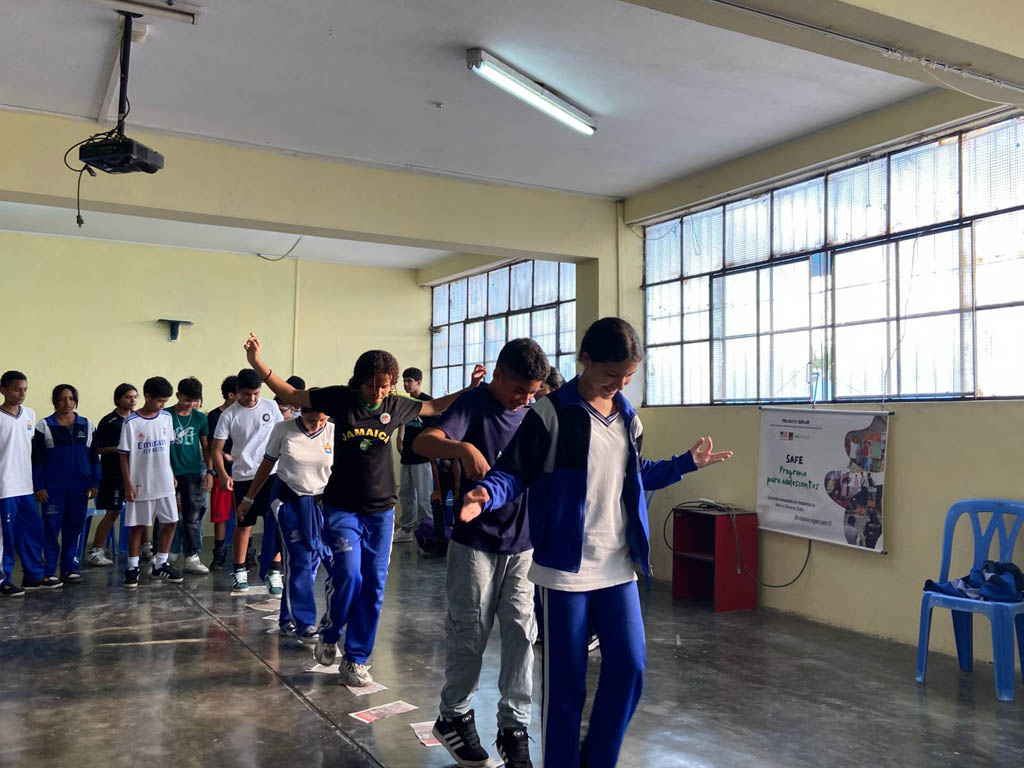
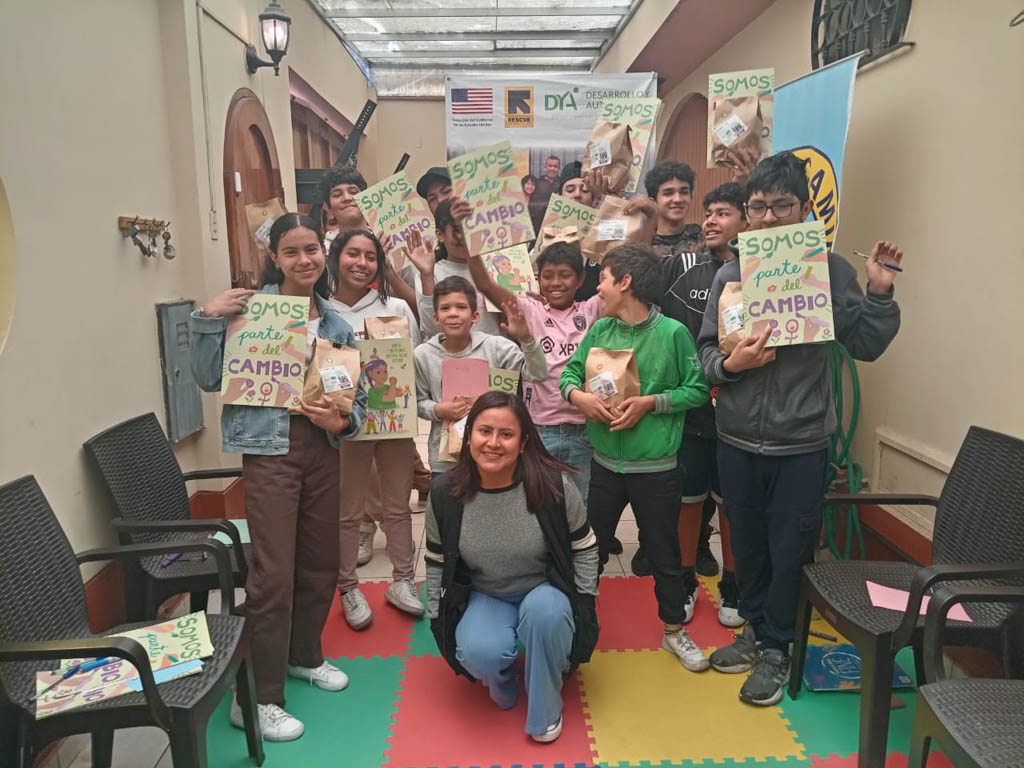
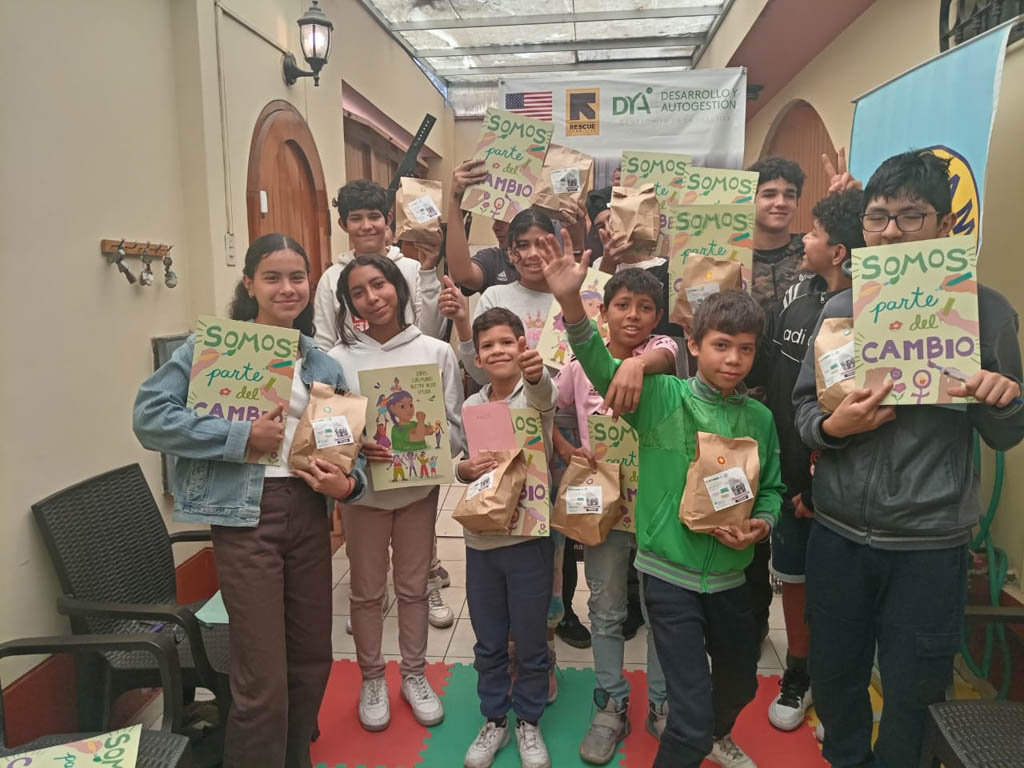
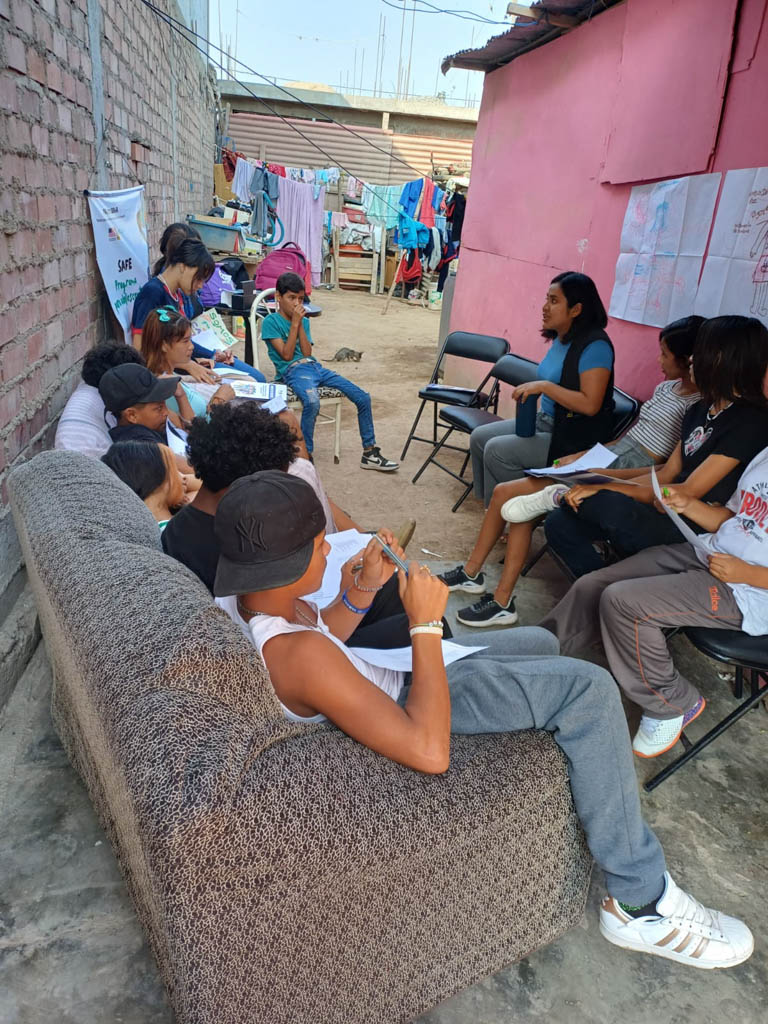
- Activity 3: Activities in safe spaces: Within the framework of this activity, SAFE services were provided for adolescents, FHD for adult caregivers, Girl Shine for adolescents and Women Rise for adult women; these programs were aimed at strengthening protective factors to prevent and address gender-based violence and were conducted in safe spaces managed in the municipalities of Villa El Salvador, Villa María and Ate.
- Activity 4: Training of local actors to recognize and respond to protection incidents and concerns: In-person workshops were developed so that representatives of DEMUNA, women's departments and social organizations manage criteria and strategies for the identification of gender-based violence situations and information about local protection entities.
Objective 2: Girls, boys, women and other people at risk obtain greater access to timely and quality medical care.
- Activity 1: Referral to the Integral Health System – SIS: In-person and remote advisory services were provided to beneficiaries who had humanitarian migration status or situation of vulnerability or who belonged to population groups with direct affiliation to Free SIS (pregnant women, children under 5 years old or in the vulnerable health group, HIV-AIDS, TB and severe disability) that entitled them to access health insurance. This work included providing information, accompanying their online registration and follow-up at the first approach to the health center once enrolled in the insurance.
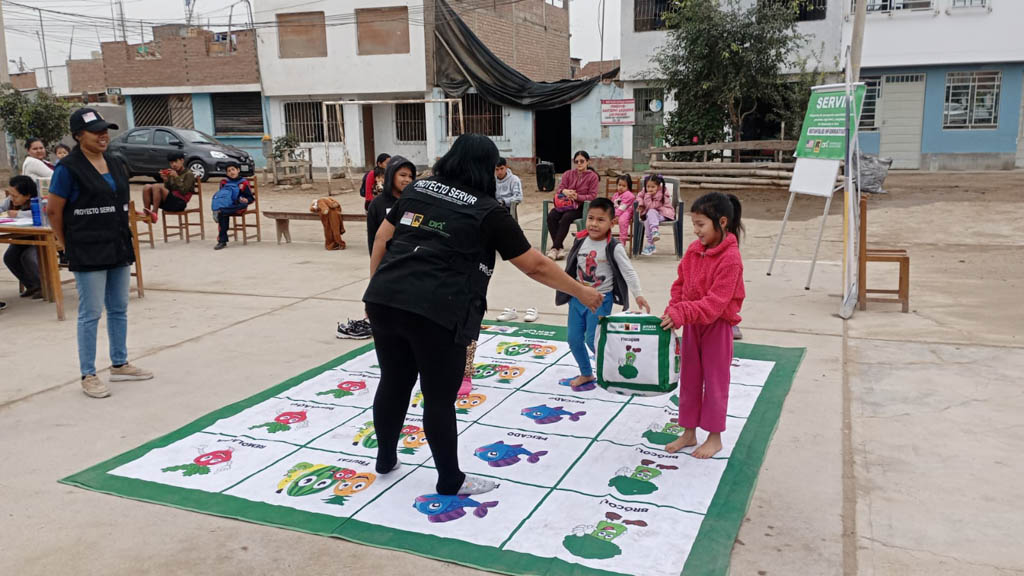
- Activity 2. Dissemination of informative and preventive-promotional content regarding health care: Contents to be addressed were disseminated through in-person activities coordinated with social organizations and local governments. The contents emphasized the identification of signs of anemia, acute diarrheal diseases, acute respiratory infections, diabetes and hypertension in adults, implementation of good nutrition practices.
- Activity 3: Medical care for children and adolescents: Medical care was developed through mini-clinics and clinics implemented in areas close to the residence areas of the beneficiaries. General medical care was provided, with emphasis on the identification of cases of anemia and malnutrition in children, from which periodic follow-up was established, medication delivery and, for this and other identified symptoms, coordination with local public health services.
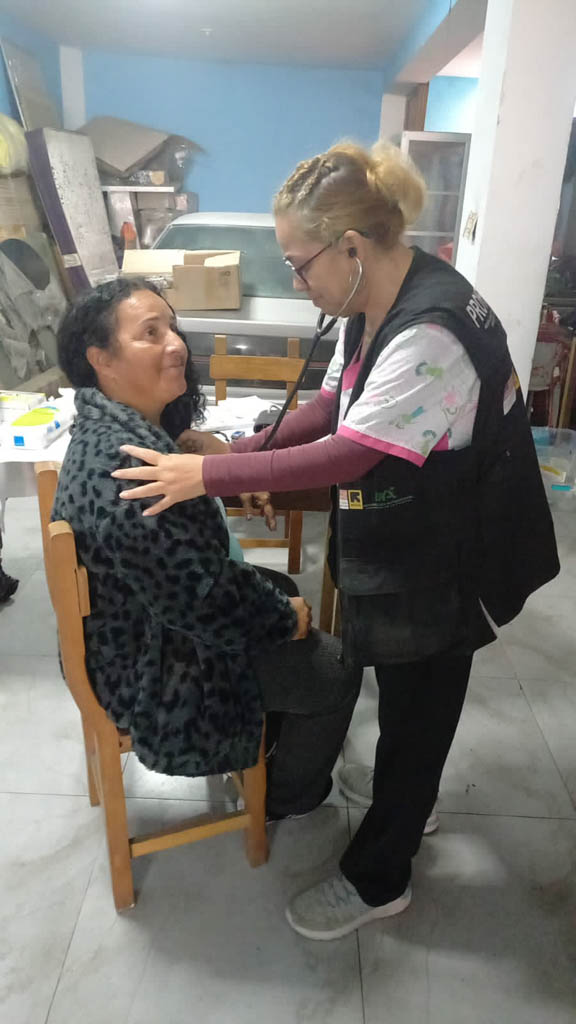
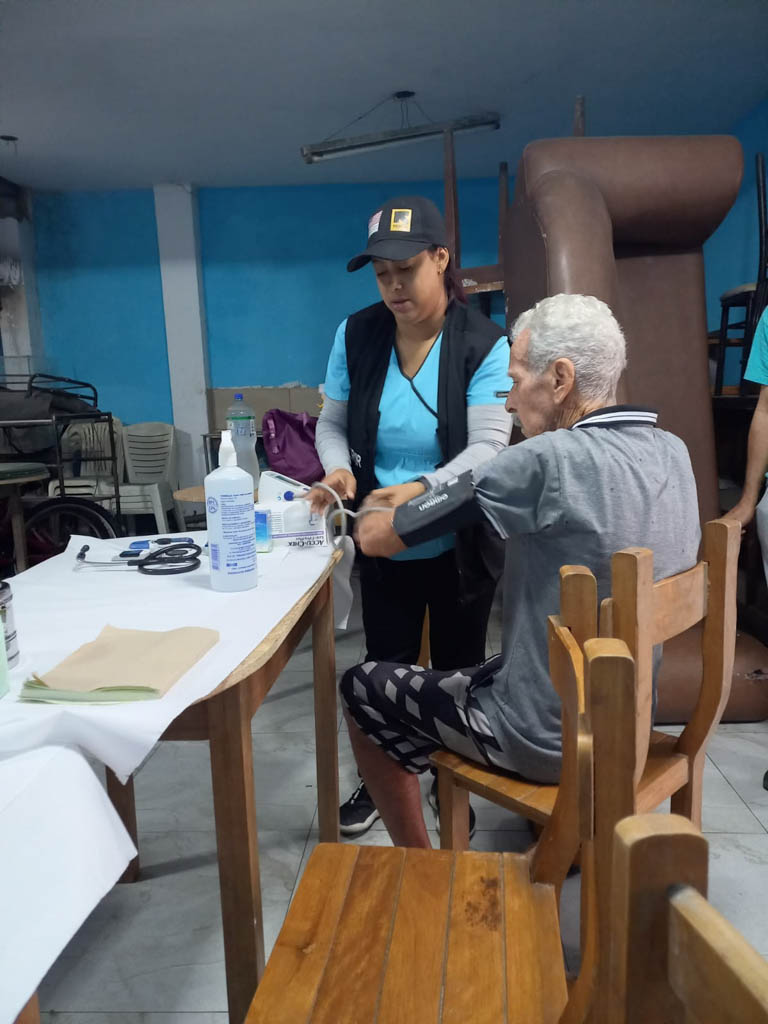
- Activity 4: Medical care for adults: Medical care was developed through mini-clinics and clinics in which the work focused on the diagnostic process. In cases where signs of diabetes were evident, the corresponding glucose test was applied. In the case of diabetes and hypertension given their prevalence, corresponding medication was delivered for the first diagnosis and work was done on referral to local health services.
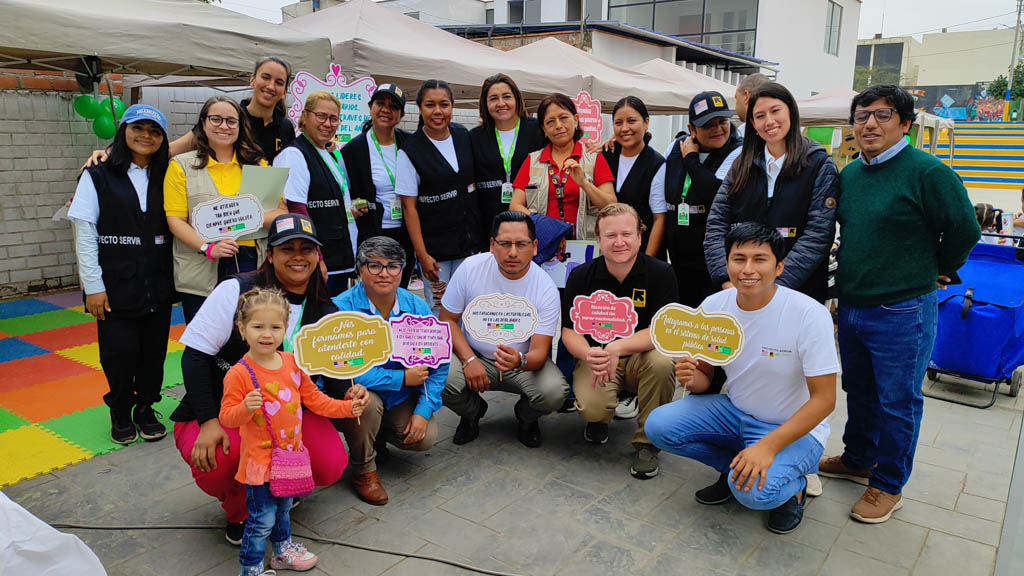
- Activity 5: Training of representatives of local institutions and/or allied organizations on topics related to health prevention and promotion: Training was provided to care and non-care personnel of the Lima South Health Region (DIRIS) (with emphasis on those belonging to the district of Villa María del Triunfo and Villa El Salvador), the training was aimed at providing basic information that would allow them to replicate preventive-promotional actions aimed at their target populations, as well as raising awareness about the reality faced by the Venezuelan migrant population.
Target Group
Venezuelan migrant and refugee population in Metropolitan Lima, especially children and women.
Partners and Counterparts
IRC – International Rescue Committee
Financing Organizations
BPRM
Highlighted Results
- Case Management: 399 people served (121%, target 330). 198 women and 201 children and adolescents were served.
- Dissemination of key messages: 3,619 (110%, target 3,300). 1,667 beneficiaries received information on gender-based violence protection and 1,952 received information on protection against violence towards children and adolescents.
- Participants in safe space activities: 1,328 beneficiaries (121%, target 1,100). Of this group 263 mothers, fathers and caregivers attended Families Make a Difference (FHD), 550 adolescents attended the SAFE program, Girl Shine 403 adolescent women and Women Rise 112 adult women survivors of gender-based violence.
- Actors trained on protection topics: 33 (165%, target 20 protection operators).
- Access to SIS: 384 people (167%, target 230), 149 are children and adolescents ages 0 to 17 and 235 are adults.
- Specific health messages: 2,511 (126%, target 2,000); 1,475 children and adolescents and 1,036 adults.
- Children and adolescents receiving medical care: 1,840 (153%, target 1,200); 900 boys and 940 girls; 706 children and adolescents were ages 0 to 5, 1,134 children and adolescents were ages 6 to 17.
- Adults receiving medical care: 1,229 (154%, target 800); 288 men, 941 women.
- Trained in health prevention/promotion: 24 (120%, target 20) professionals, 18 women and 6 men, belonging to health facilities of the Lima South Health Region (DIRIS).